麻将

Search documents
近代中国如何拥抱现代奥林匹克与国际接轨?|新年书摘
Di Yi Cai Jing· 2026-02-15 01:39
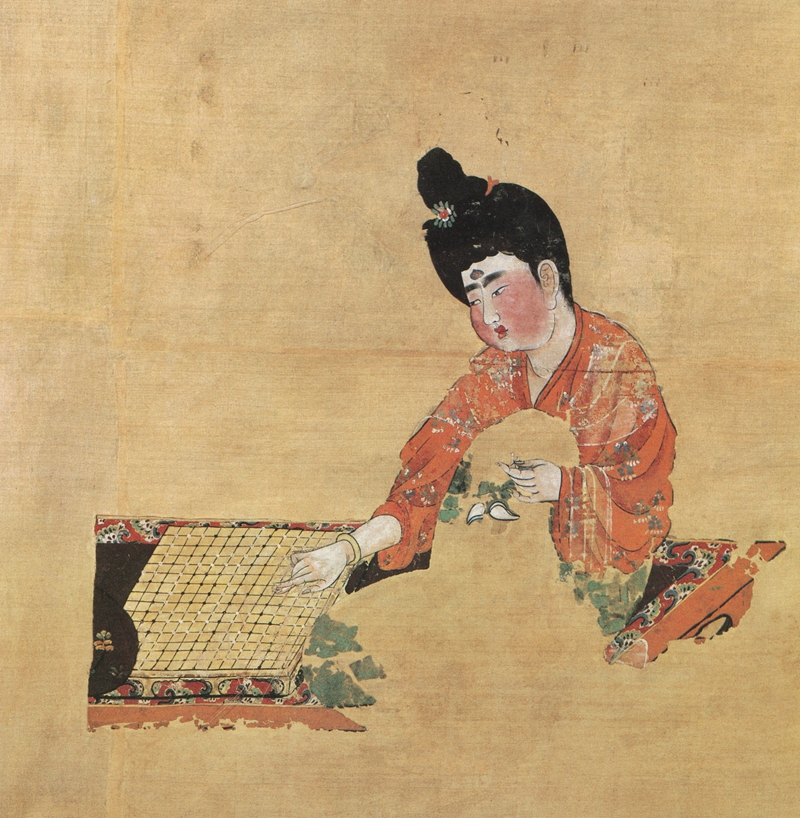
Core Argument - The transition of China from an imperial civilization to a nation-state is significantly hindered by traditional sports, which reflect cultural and civilizational characteristics that are at odds with modernity [1][4][5]. Group 1: Traditional Sports and Cultural Identity - Traditional Chinese sports, such as martial arts and Go, embody cultural and civilizational traits that are integral to the construction of "Chineseness" [3][4]. - The concept of "sports" as understood today was introduced from Japan in the late 19th century, highlighting a cultural paradox where traditional activities reflect Chinese identity yet are labeled as inferior in modern contexts [3][4]. - The emphasis in traditional sports is on moral and intellectual development rather than physical prowess, contrasting sharply with Western competitive sports [5][6]. Group 2: Historical Context and Evolution - The evolution of Chinese sports can be divided into three significant phases: the Spring and Autumn period, the Qin and Han dynasties to the Song, and the Ming and Qing dynasties, with key turning points occurring during the Song dynasty and the late 19th century [6][7][8]. - The Song dynasty marked a decline in the emphasis on physicality and sports due to socio-political pressures and the rise of Confucian ideals, leading to a negative perception of physical activities [7][8]. - By the late 19th century, the humiliation of the Opium Wars prompted a national awakening, leading to a renewed interest in sports as a means of national rejuvenation and identity reconstruction [9][10]. Group 3: Internationalization and Modernization - The introduction of modern Olympic ideals to China was facilitated by the YMCA, which played a crucial role in promoting sports and organizing national competitions [15][16]. - The establishment of the first national sports event in 1910 and the subsequent interest in the Olympics marked a significant shift towards international engagement in sports [16][17]. - The success of Chinese students in American sports during their studies abroad exemplified the potential for international competitiveness, contrasting with the domestic perception of weakness [12][13][14]. Group 4: Contemporary Implications - The hosting of the 2008 Summer Olympics and the 2022 Winter Olympics in Beijing reflects China's growing emphasis on sports as a symbol of international integration and national pride [17][18]. - Sports have also played a pivotal role in diplomatic relations, as seen in the "ping-pong diplomacy" of the 1970s, which opened doors for international engagement [18]. - The increasing societal focus on sports is evident in educational contexts, with sports being integrated into national discourse and even high school examinations [17].

卖酒卖菜刀卖麻将一年狂揽百亿,车企的暴利生意有多离谱?
Hu Xiu· 2025-08-07 11:26
Group 1 - The article highlights that car companies are diversifying their revenue streams by selling high-priced merchandise, such as umbrellas priced at 169 yuan and T-shirts costing over a thousand yuan, indicating a trend where companies are capitalizing on brand extensions [1] - It suggests that companies engaging in these peripheral businesses are perceived as more successful, implying that selling related products is becoming a benchmark for evaluating car manufacturers [1] - The mention of luxury items like tequila priced higher than premium liquor brands like Moutai illustrates the extent to which car companies are willing to explore high-end consumer goods [1]
大侠后宫:“因为打麻将没回消息相亲对象破防了...?”哈哈哈怎么才能养到这种电子宠物!
猿大侠· 2025-06-02 04:22
Group 1 - The article discusses the negative perceptions associated with women who enjoy playing Mahjong, suggesting that they may lack life goals and responsibilities [3][5][6] - It highlights that women who frequently play Mahjong may be more prone to infidelity due to their focus on the game and neglect of family duties [5][6] - The article implies that the gambling environment can lead to women being more susceptible to temptations from men, especially when they experience financial losses [5][6] Group 2 - The article presents a narrative about a man's experience with a woman who plays Mahjong, indicating that it caused issues in their relationship [7][9] - It reflects on societal views, suggesting that men generally do not favor women who play Mahjong, which may affect their dating prospects [2][4] - The article includes comments from various individuals expressing their opinions on the topic, showcasing a range of perspectives on women who play Mahjong [10][12][18]