
氢气球

Search documents
爸爸妈妈别塞了,这些真不让带!
Xin Lang Cai Jing· 2026-02-23 12:30
Group 1 - The article provides guidelines on items that can and cannot be carried on trains, emphasizing the importance of proper packaging and handling to avoid contamination and safety issues [1][3][4] - Specific food items such as meat, poultry, and eggs are allowed if properly sealed and stored, while certain alcoholic beverages are permitted under specific conditions, including a maximum alcohol content of 70% and a total volume not exceeding 3000 milliliters [3][4] - Personal care items like perfumes and sprays are allowed in limited quantities, with restrictions on container sizes for flammable products [6][7] Group 2 - Items such as knives with blades longer than 60mm are prohibited for carry-on but can be checked in, while smaller knives are allowed [7][11] - Certain recreational items like folding strollers and wheelchairs are permitted, with specific guidelines for electric wheelchairs [8][9] - Prohibited items include flammable liquids, certain tools, and weapons, which cannot be carried on or checked in [14][15] Group 3 - Smoking is strictly prohibited on high-speed trains and in designated areas of regular trains, with fines imposed for violations [18] - Passengers are allowed to carry a limited number of electronic cigarettes and lighters, but usage is restricted [18] - Guidelines for transporting small animals, such as guide dogs and pets, are provided, including weight limits and health requirements [19] Group 4 - The article outlines procedures for reporting lost items, including using the railway's official app and contacting customer service for assistance [20][21][22][23]

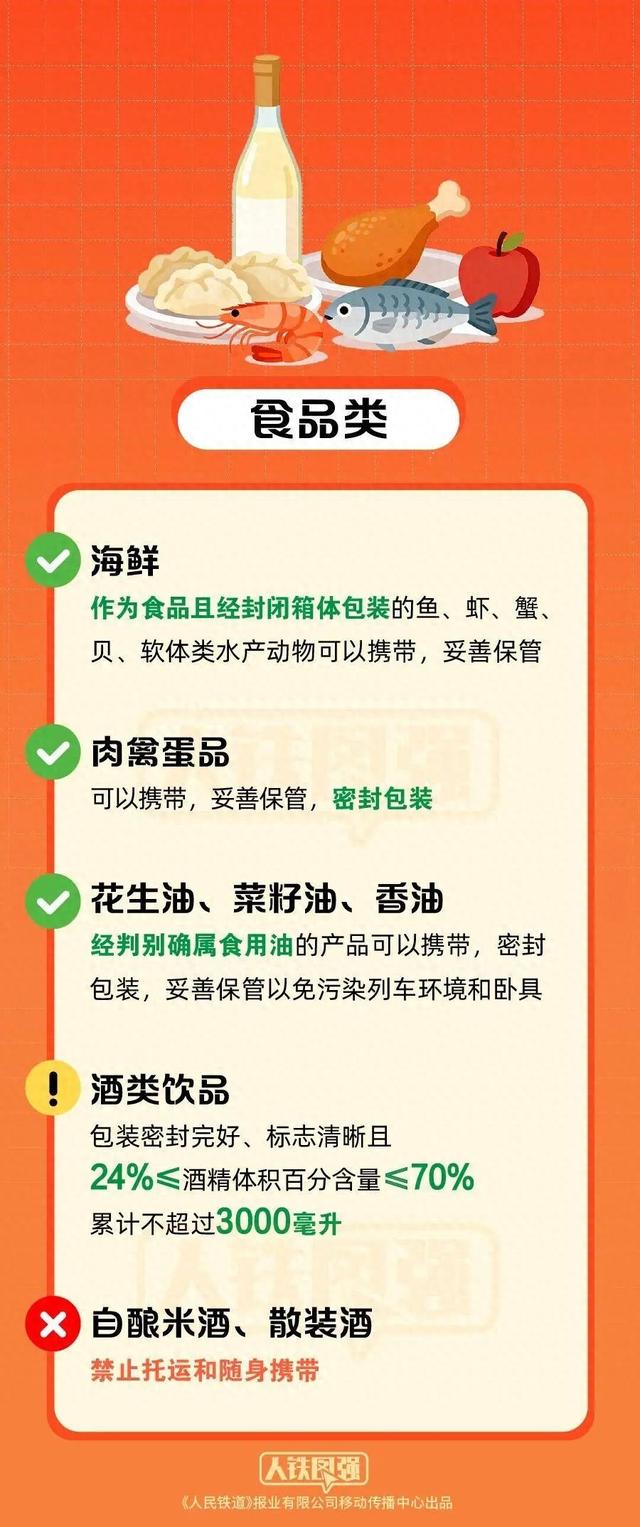
这些东西不能带上火车 出发前要注意
Yang Shi Xin Wen Ke Hu Duan· 2026-02-02 06:44
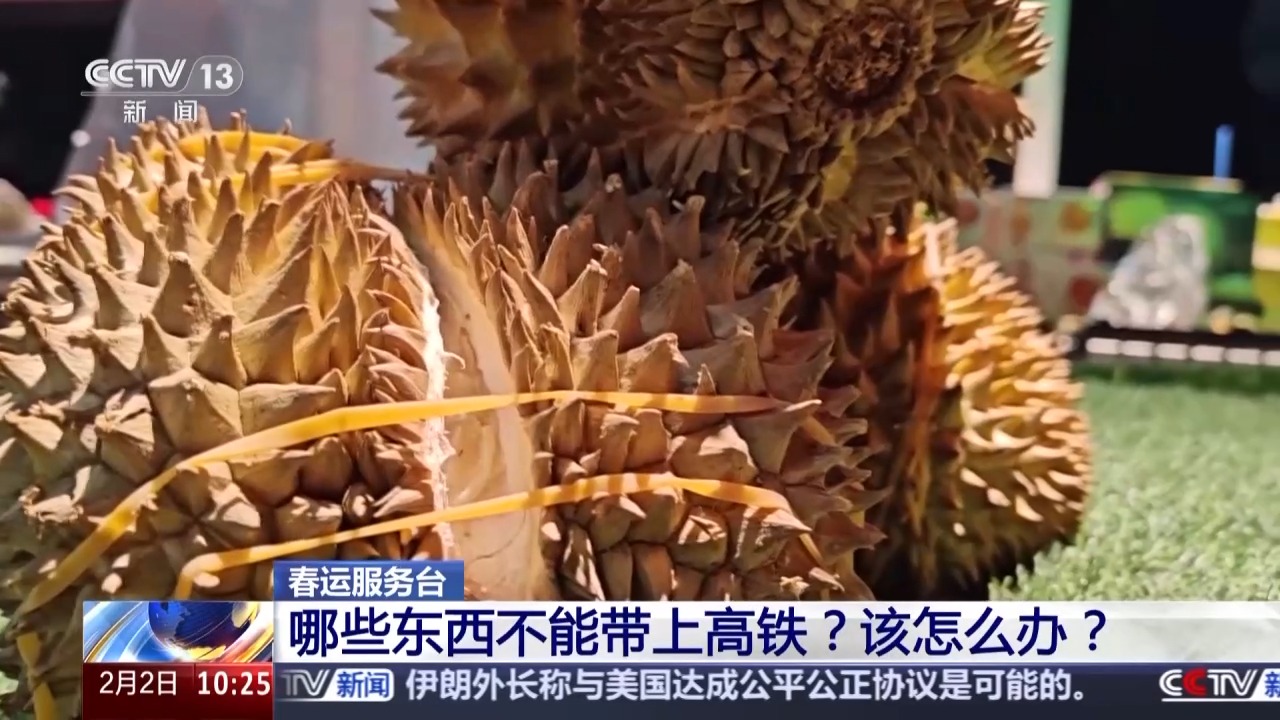
Group 1 - The article discusses the regulations regarding items that can and cannot be brought on trains during the Spring Festival travel period, emphasizing the importance of compliance for travelers [1][3] - Food items such as seafood in sealed packaging and alcoholic beverages with an alcohol content between 24% and 70% (up to 3000 milliliters per person) are allowed, while odorous foods like durian and stinky tofu can be brought but not consumed on the train [1][3] - Daily necessities like small household appliances (e.g., rice cookers, curling irons) can be carried, but their use is prohibited on trains and at stations [3] Group 2 - Specific items like power banks must have clear labeling and an energy rating not exceeding 100Wh, while ordinary lighters are limited to two per person [5] - Items that cannot be carried on board but can be checked include knives longer than 60mm, blunt instruments, and certain tools, with exceptions for guide dogs for visually impaired passengers [5] - Certain items are completely prohibited from both carry-on and checked luggage, including controlled knives, fireworks, and self-heating food products containing magnesium-aluminum powder [7]

视频丨这些东西不能带上火车 出发前要注意
Yang Shi Xin Wen Ke Hu Duan· 2026-02-02 06:05
Group 1 - The article discusses the regulations regarding items that can and cannot be brought onto trains during the Spring Festival travel period in 2026 [2][4] - Food items such as seafood in sealed packaging and alcoholic beverages with an alcohol content between 24% and 70% (up to 3000 milliliters per person) are allowed [2] - Items like small household appliances (e.g., rice cookers, curling irons) can be carried but should not be used on trains [4] Group 2 - Certain items, including knives longer than 60mm, blunt instruments, and live animals (except guide dogs), are prohibited from being carried but can be checked in [6] - Some items are completely banned from both carry-on and checked luggage, such as controlled knives, fireworks, and self-heating hot pots made with magnesium-aluminum powder [8] - Passengers can temporarily store prohibited items at the station if they meet storage conditions, allowing for retrieval or mailing later [8]
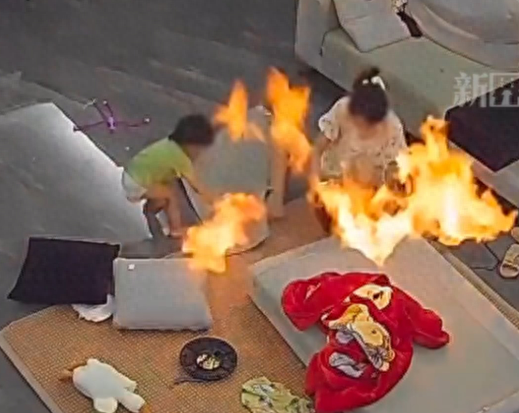
五颜六色,很漂亮!但居然这么危险!
Xin Lang Cai Jing· 2026-01-02 09:14
Core Viewpoint - The use of hydrogen balloons poses significant safety risks due to their flammable nature, leading to incidents of explosions and fires, especially during festive occasions [1][5]. Group 1: Safety Risks - Hydrogen balloons can explode when ignited, causing severe injuries, as evidenced by incidents where children have been burned [1]. - The risk of explosion is heightened when hydrogen balloons come into contact with static electricity, open flames, or are exposed to high temperatures [5]. - Even in the absence of flames, hydrogen balloons can still explode due to chemical interactions with organic compounds found in certain fruits, which can weaken the balloon's material [5]. Group 2: Market Dynamics - Despite the dangers, hydrogen balloons are still sold because they are significantly cheaper than helium balloons, which are about ten times more expensive [6]. - Some vendors knowingly sell hydrogen balloons, prioritizing profit over safety, which raises concerns about public safety [6]. Group 3: Public Safety Recommendations - Authorities emphasize the importance of adhering to safety regulations regarding the sale and use of hydrogen balloons and similar items during crowded events [6].
气球触碰电线后爆炸整条街瞬间停电
Xin Lang Cai Jing· 2026-01-01 15:41
Core Viewpoint - The incident involving balloons causing power outages highlights the safety risks associated with hydrogen-filled balloons, emphasizing the need for public awareness and caution in their use [1] Group 1: Incident Summary - On January 1, in Han Yin County, Shaanxi, a balloon released during a New Year's event touched power lines, resulting in a power outage affecting the entire street, nearby shopping centers, residential buildings, and a maternal and child health hospital for approximately half an hour [1] - The local power supply department confirmed that the outage was caused by a short circuit due to the balloon contact with the power lines, and operations resumed normally by the morning of January 1 [1] Group 2: Safety Concerns - Hydrogen balloons pose significant safety hazards due to their flammability and explosive nature, as hydrogen is the lightest gas and can easily ignite [1] - The smooth surface of foil balloons can generate static electricity, increasing the risk of short circuits if they come into contact with high-voltage power lines or substations [1] - There is a market concern regarding the sale of hydrogen balloons, as some vendors knowingly sell them despite the risks, motivated by the higher profit margins compared to helium balloons [1] Group 3: Recommendations for Balloon Use - It is advised not to purchase balloon toys for children under three years old, and children under eight should use them under adult supervision [1] - Consumers should buy balloons from reputable manufacturers and avoid street vendors, as these products may lack safety standards and pose a higher risk of explosion [1] - Recommendations include avoiding oversized balloons, not tying balloons to children's wrists, and being cautious when transporting balloons in enclosed spaces to mitigate explosion risks [1]