发胶

Search documents
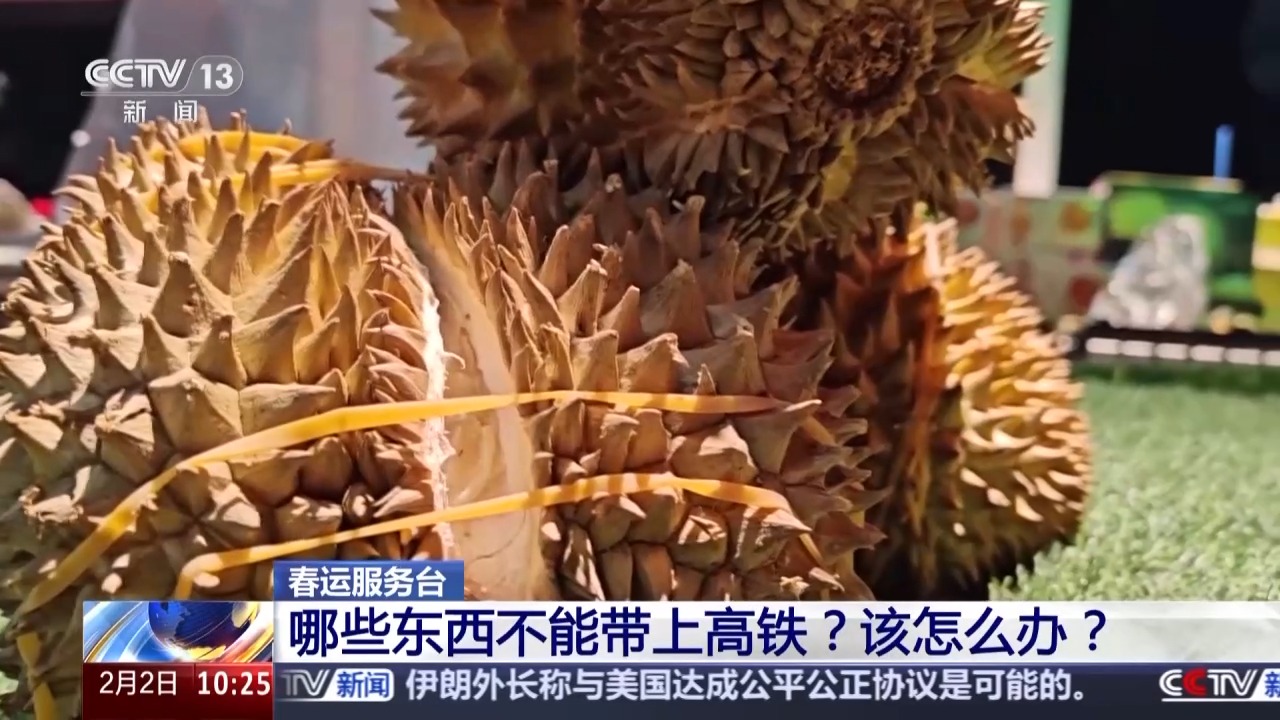
这些东西不能带上火车 出发前要注意
Yang Shi Xin Wen Ke Hu Duan· 2026-02-02 06:44
Group 1 - The article discusses the regulations regarding items that can and cannot be brought on trains during the Spring Festival travel period, emphasizing the importance of compliance for travelers [1][3] - Food items such as seafood in sealed packaging and alcoholic beverages with an alcohol content between 24% and 70% (up to 3000 milliliters per person) are allowed, while odorous foods like durian and stinky tofu can be brought but not consumed on the train [1][3] - Daily necessities like small household appliances (e.g., rice cookers, curling irons) can be carried, but their use is prohibited on trains and at stations [3] Group 2 - Specific items like power banks must have clear labeling and an energy rating not exceeding 100Wh, while ordinary lighters are limited to two per person [5] - Items that cannot be carried on board but can be checked include knives longer than 60mm, blunt instruments, and certain tools, with exceptions for guide dogs for visually impaired passengers [5] - Certain items are completely prohibited from both carry-on and checked luggage, including controlled knives, fireworks, and self-heating food products containing magnesium-aluminum powder [7]


视频丨这些东西不能带上火车 出发前要注意
Yang Shi Xin Wen Ke Hu Duan· 2026-02-02 06:05
Group 1 - The article discusses the regulations regarding items that can and cannot be brought onto trains during the Spring Festival travel period in 2026 [2][4] - Food items such as seafood in sealed packaging and alcoholic beverages with an alcohol content between 24% and 70% (up to 3000 milliliters per person) are allowed [2] - Items like small household appliances (e.g., rice cookers, curling irons) can be carried but should not be used on trains [4] Group 2 - Certain items, including knives longer than 60mm, blunt instruments, and live animals (except guide dogs), are prohibited from being carried but can be checked in [6] - Some items are completely banned from both carry-on and checked luggage, such as controlled knives, fireworks, and self-heating hot pots made with magnesium-aluminum powder [8] - Passengers can temporarily store prohibited items at the station if they meet storage conditions, allowing for retrieval or mailing later [8]
家里虽无“化骨水”,但风险也不低
Jie Fang Ri Bao· 2025-09-25 03:35
Core Viewpoint - The recent incident involving a 52-year-old woman in Hangzhou who died after accidentally stepping on hydrofluoric acid has raised public awareness about hazardous chemicals commonly found in households [1] Group 1: Household Cleaning Products - Various household cleaning agents, including chlorine disinfectants, acidic cleaners, and alkaline detergents, pose significant risks if not handled properly. Many consumers neglect safety warnings such as "wear gloves" on product labels [2][3] - 84 disinfectant, a typical chlorine disinfectant, contains sodium hypochlorite, which is highly corrosive and can cause skin burns upon direct contact. Most packaging includes safety instructions to dilute properly and wear rubber gloves [2] - Acidic cleaners like toilet bowl cleaners can cause severe skin irritation and chemical burns if touched. Prolonged contact may damage the skin's barrier and lead to blisters or scarring [2][3] Group 2: Alkaline Cleaning Agents - Alkaline cleaning agents, such as sodium hydroxide, are commonly used for cleaning greasy cookware and unclogging drains. Direct skin contact can lead to skin barrier damage or severe burns [3] - It is crucial to follow usage instructions carefully, especially when using alkaline drain cleaners, as improper handling can cause violent reactions and splattering, resulting in serious injuries [3] Group 3: Chemical Interactions - Mixing acidic toilet cleaners with chlorine disinfectants can produce toxic chlorine gas, which can irritate the respiratory system and lead to severe health issues [3] Group 4: Personal Care Products - Some personal care products, such as nail polish and remover, contain harmful substances like formaldehyde and acetone, which are flammable and can irritate the skin [5] - Hair sprays and gels contain organic solvents that are also flammable, necessitating caution during use and storage to avoid fire hazards [6] Group 5: Dry Ice Risks - Dry ice, commonly used in cold chain transport and restaurant settings, can cause "frostbite" injuries if handled improperly. Direct contact with skin can lead to severe cold burns [7] Group 6: Storage and Safety - Household chemicals should be stored in a cool, dry, and ventilated area, away from children and pets. It is advisable to purchase only short-term quantities to minimize risks associated with long-term storage [8] - Proper labeling and storage in original containers are essential to prevent accidental misuse. Expired or unused chemicals should be disposed of according to hazardous waste guidelines to avoid environmental contamination [8]
暑运服务台 | 五花八门“消暑神器”哪些能带?有什么要求?
Yang Shi Wang· 2025-08-02 08:04
Core Viewpoint - The article discusses the regulations regarding the carrying of summer cooling items on trains during the peak travel season, emphasizing safety and compliance with transport rules [1][3]. Group 1: Allowed Items - Passengers can carry small electric fans as long as they do not disturb others, as they are considered ordinary electrical appliances [3]. - Sealed ice packs for storing perishable food and medications are permitted, provided they are intact and leak-free [5]. - Non-pressurized sunscreen products like creams and lotions can be carried without restrictions [7]. Group 2: Restricted Items - Sunscreen sprays and similar aerosol products are limited to one bottle per person, with a maximum capacity of 150 milliliters, and the total for similar products cannot exceed 600 milliliters [7]. - Flammable items such as flower dew and perfumes are restricted to a maximum of 100 milliliters per bottle, with only one bottle allowed per person [7]. - Cosmetics containing flammable substances like alcohol and ether are prohibited, while disinfectant wipes with 75% alcohol content are allowed [9]. Group 3: Additional Information - Passengers uncertain about what items can be carried are encouraged to check the railway's official app or website, or contact customer service for clarification [9]. - Items not allowed on board can be shipped via express delivery services available at many train stations [9].
端午假期将至 这份铁路出行携带物品清单请收好
Yang Shi Xin Wen· 2025-05-29 14:19
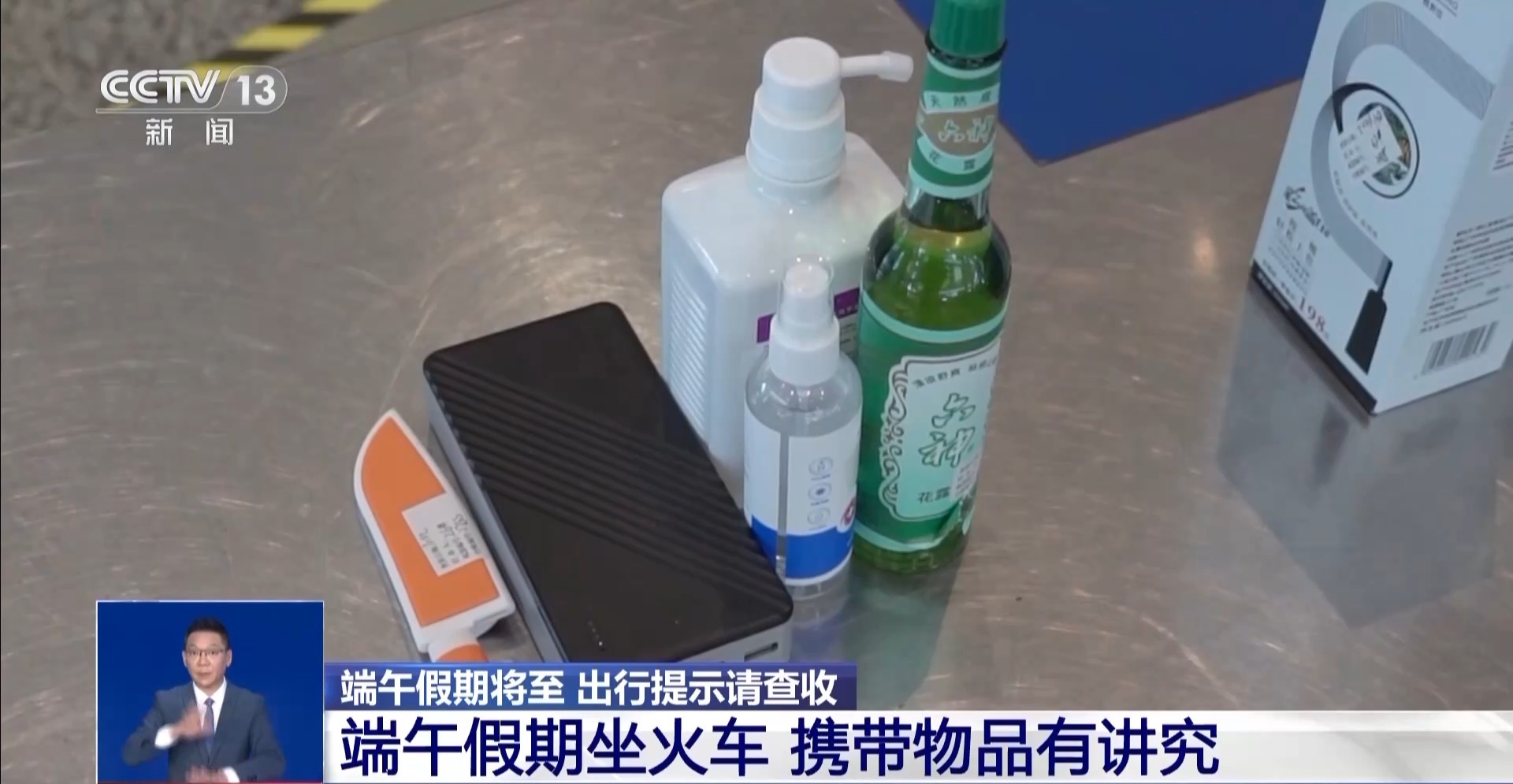
Food Regulations - Traditional festival foods such as zongzi and mung bean cake are allowed on trains, but should be sealed [1] - Foods with strong odors like durian and stinky tofu can be carried but are not recommended for consumption on the train [1] - Self-heating meals and hot pots with magnesium-aluminum heating packs are prohibited for both carry-on and checked luggage due to safety concerns [1] Daily Care Products - Liquid capacity limits apply to personal care items; non-aerosol containers like perfume must not exceed 100 milliliters, with a limit of one per type [3] - Aerosol products such as hairspray and sunscreen must not exceed 150 milliliters per container, with a total limit of 600 milliliters [3] - The use of aerosol products is prohibited on high-speed trains to avoid triggering smoke alarms [3] Sports Equipment - Foldable bicycles and balance bikes must be securely packaged and cannot be ridden in stations or on trains [5] - Small drones are allowed but cannot be used along railway lines [5] - Camping tents can be carried as long as they meet size and weight requirements [5] - Fishing rods must not exceed 1.3 meters in length when collapsed on high-speed trains and 2 meters on regular trains [5] Battery and Alcohol Regulations - Power banks with lithium batteries must not exceed 100 watt-hours; a typical 20,000 mAh power bank is permissible [7] - Unpackaged alcohol is not allowed, but sealed bottled alcohol with an alcohol content between 24% and 70% can be carried, with a maximum of 3,000 milliliters [7]
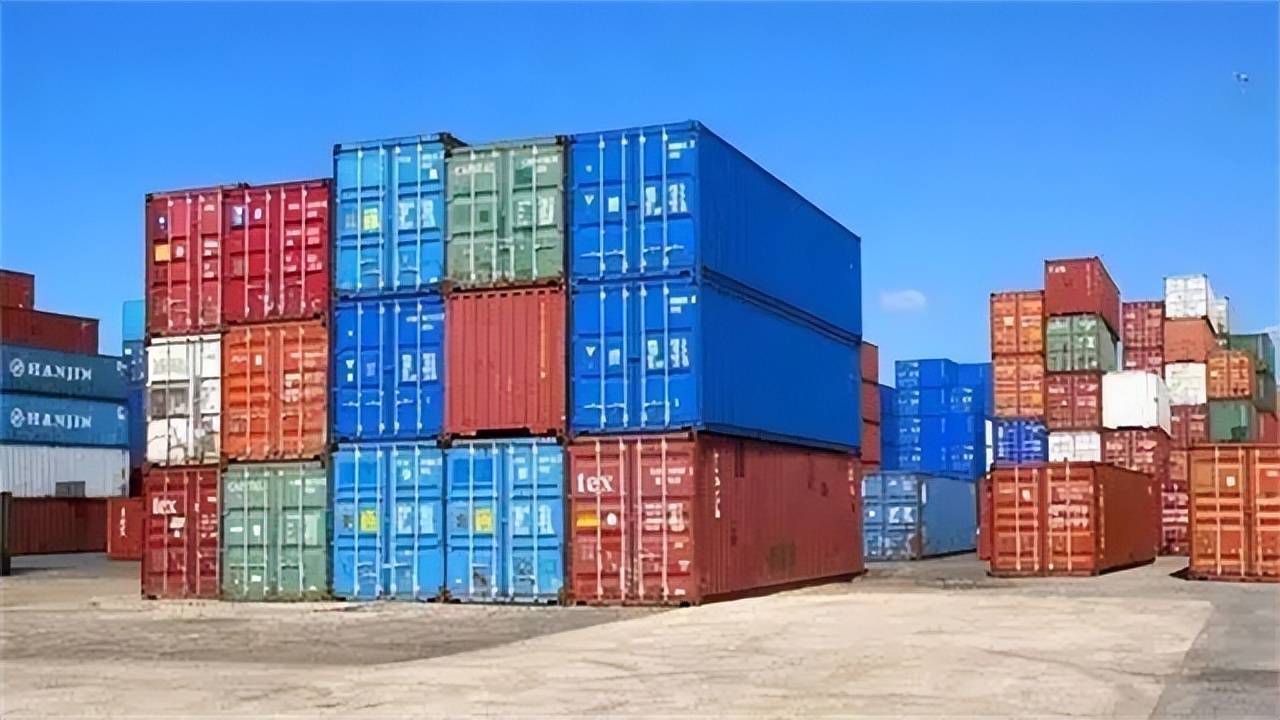
20年意大利查扣我国50个集装箱,却得到了我国国民的赞美
Sou Hu Cai Jing· 2025-05-25 06:20
Core Viewpoint - The article discusses the issue of counterfeit goods from China, particularly in Italy, highlighting the importance of strict inspections to protect both foreign consumers and the reputation of Chinese manufacturing [1][20]. Group 1: Incidents of Counterfeit Goods - In July 2020, Italian customs discovered nearly 95,000 suitcases labeled as "Made in Italy" but actually manufactured in China, leading to a significant investigation [5][7]. - The Italian authorities have increasingly intercepted counterfeit goods from China, with a notable seizure of 1.16 billion counterfeit items in Naples, including clothing and accessories [11][13]. Group 2: Legal Consequences - The importer of the counterfeit suitcases faced potential imprisonment of up to 2 years and fines of up to 20,000 euros for misleading consumers and violating market safety laws [7][9]. - In previous cases, individuals involved in the importation of counterfeit goods have faced severe penalties, including lengthy prison sentences and substantial fines [11][17]. Group 3: Impact on Reputation - The proliferation of counterfeit goods harms the reputation of "Made in China," as it associates Chinese products with low quality and fraud [15][20]. - The article emphasizes that the existence of counterfeit products undermines the efforts of legitimate Chinese manufacturers to improve their global image and product quality [15][18]. Group 4: Consumer Protection - Strict inspections by foreign authorities not only protect the integrity of foreign brands but also safeguard Chinese consumers from being misled by counterfeit products [20][21]. - The article encourages consumers to be vigilant and ensure they are purchasing genuine products, highlighting the role of law enforcement in maintaining market integrity [21].