
氢能冷链车

Search documents
京津冀共享资源,副中心做出特色
Xin Lang Cai Jing· 2026-01-27 13:43
Core Viewpoint - The article emphasizes the importance of creating a green, low-carbon, and livable environment in Beijing, highlighting the collaborative efforts of various stakeholders to enhance the city's ecological and living standards during the "14th Five-Year Plan" period [1]. Group 1: Green Energy Transition - The focus on energy security and green transition is underscored by the proposal to establish a multi-faceted energy system, enhancing local clean energy sources and expanding the scale of green electricity [4]. - The suggestion to include the hydrogen energy industry in the "14th Five-Year Plan" aims to promote technological development and resource sharing among Beijing, Hebei, and Tianjin [4]. Group 2: Waterfront Space Optimization - The optimization of waterfront spaces is proposed to balance ecological protection with public needs, emphasizing the importance of clean and accessible water bodies [5][6]. - Recommendations include planting native aquatic plants and constructing eco-friendly facilities to enhance water quality and manage rainwater effectively [5]. Group 3: Urban Green Infrastructure - The integration of green pathways into urban design is highlighted as essential for promoting low-carbon transportation, with suggestions for optimizing road designs and increasing tree coverage [7]. - The proposal includes creating seamless connections between greenways, waterfront corridors, and public transport networks to enhance the overall urban green experience [7].

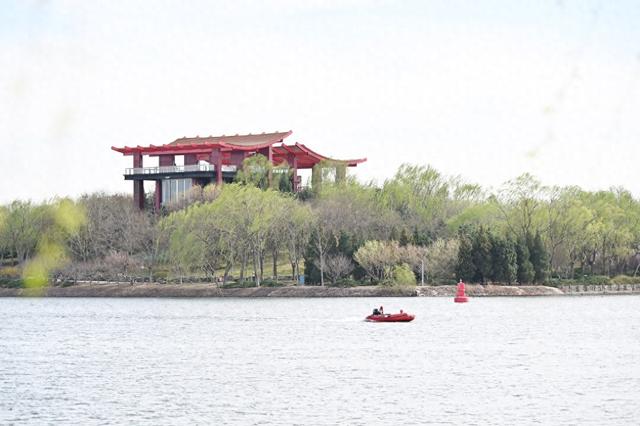
创建密云水库国家公园、发展氢能产业,委员建言美丽北京建设
Xin Jing Bao· 2026-01-27 01:13
Group 1: Environmental Initiatives - The proposal to create the Miyun Reservoir National Park aims to enhance ecological advantages and promote local employment opportunities for farmers [4][5] - The Miyun water system is highlighted as a crucial part of the national water network, with significant contributions to flood control and water supply [4] - The average PM2.5 concentration in Miyun is projected to be 23.4 micrograms per cubic meter by 2025, the lowest in Beijing, indicating strong ecological health [4] Group 2: Hydrogen Energy Development - The hydrogen energy industry in Beijing has made significant progress, with the city being a national leader in hydrogen technology and infrastructure [5] - There is a call to include hydrogen energy in Beijing's future industrial plans, emphasizing the need for supportive policies to foster growth in this sector [5] - The development of hydrogen-powered vehicles and the establishment of hydrogen refueling stations are seen as critical steps for the future of the hydrogen industry in Beijing [5] Group 3: Waste Management and Energy Production - The current waste management strategy in Beijing has shifted from landfilling to incineration, generating nearly 14,000 tons of hazardous waste annually [6][8] - The potential to produce 48,000 tons of green hydrogen and recover 750,000 tons of liquid carbon dioxide from waste processing is highlighted, with an estimated economic benefit of around 20 billion yuan [8] - Advanced waste treatment technologies are recommended to maximize resource recovery and minimize environmental impact, transforming waste into green energy [6][8] Group 4: Urban Waterway Enhancement - The proposal includes enhancing the ecological corridors of rivers in urban areas, focusing on creating diverse and accessible waterfront spaces [9] - Suggestions for improving the green coverage along riverbanks and utilizing water features to activate urban spaces are presented [9] - The importance of balancing flood safety with the creation of recreational water spaces is emphasized, promoting a more integrated urban waterway system [9]
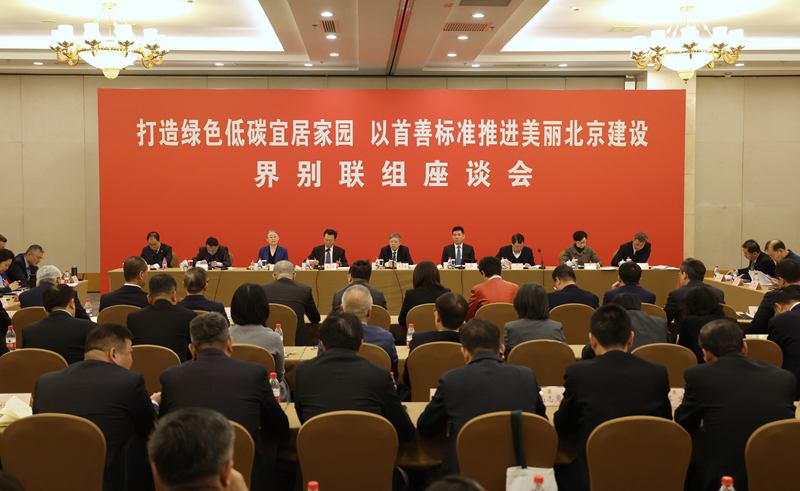
推进首都氢能交通落地
Xin Lang Cai Jing· 2026-01-26 19:00
Group 1: Green and Low-Carbon Development - The Beijing Municipal Political Consultative Conference emphasizes the importance of creating a green, low-carbon, and livable environment, suggesting the acceleration of hydrogen energy cold chain vehicle commercialization as a key initiative [1] - Liu Zuoli, a member of the conference, advocates for strengthening green technology innovation and establishing strategic partnerships to support the development of a green technology market ecosystem [1] - Recommendations include the establishment of green technology validation centers and the implementation of advanced technology demonstration projects to address challenges in green development [1] Group 2: Cultural Innovation and Tourism - The conference highlights the role of new cultural formats in driving tourism consumption, with a focus on creating unique, epic-level cultural IPs to enhance Beijing's cultural landscape [2] - Suggestions include developing immersive large-scale performances that integrate daytime tourism with evening shows to transform the city's consumption patterns [2] - The use of technology, such as VR and AR, is recommended to enhance cultural experiences and promote digital cultural brands [2] Group 3: Rural Revitalization - The conference discusses the potential of Beijing's rural areas, emphasizing the need to leverage new media for promoting agricultural products and intangible cultural heritage [3] - Recommendations include using short videos and live streaming to connect traditional farming stories with products, creating a platform for rural services [3] - There is a call to break down regional and operational barriers to develop a comprehensive rural tourism industry, focusing on creating micro-vacation destinations that cater to urban residents' leisure needs [3][4]