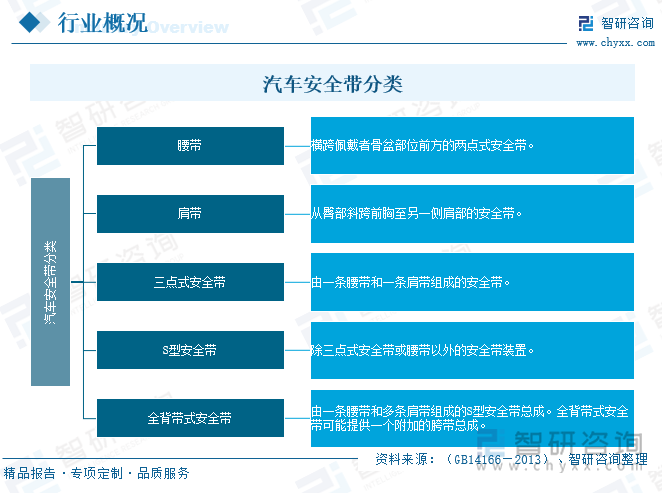
汽车安全带

Search documents
松原安全(300893):公司深度研究:被动安全赛道黑马,量价双重成长向上
Guohai Securities· 2026-03-24 14:34
Group 1 - Investment Rating: Buy (Maintain) [1] - Core Viewpoint: The report addresses the development prospects of the automotive passive safety industry and the company's core competitiveness and growth logic [2][11] - Recent Performance: The company's stock has shown a relative performance of -10.5% over 1 month, -14.1% over 3 months, and +20.2% over 12 months compared to the CSI 300 index [3] Group 2 - Business Expansion: The company has transitioned from a single seatbelt supplier to a comprehensive passive safety system integrator, expanding its product offerings to include airbags and steering wheels [3][12] - Financial Performance: The company is expected to achieve revenues of 19.7 billion yuan in 2024, with a year-on-year growth of 54%, and a net profit of 2.6 billion yuan [3][6] - Market Growth: The domestic passive safety market is projected to grow from 36.8 billion yuan in 2025 to 51.9 billion yuan by 2030, with a CAGR of 7.1% [3][11] Group 3 - Competitive Landscape: The passive safety market is characterized by global oligopoly, with domestic companies beginning to break through [11][40] - Product Development: The company has successfully increased the revenue contribution from airbags and steering wheels from less than 1% in 2021 to 39% in the first half of 2025 [3][18] - Cost Advantages: The company is enhancing its vertical integration by producing core components in-house, which is expected to optimize costs and supply chain stability [4][6] Group 4 - Revenue Forecast: The company is projected to achieve revenues of 27.62 billion yuan in 2025, 36.18 billion yuan in 2026, and 46.37 billion yuan in 2027, with growth rates of 40%, 31%, and 28% respectively [5][6] - Profitability Metrics: The expected diluted EPS for 2025, 2026, and 2027 is 0.86 yuan, 1.16 yuan, and 1.51 yuan, with corresponding P/E ratios of 24.28, 18.12, and 13.87 [5][6] - ROE Improvement: The company's ROE is expected to rise to 25% in 2025 and maintain at 26% in 2027, reflecting improved profitability [5][6]
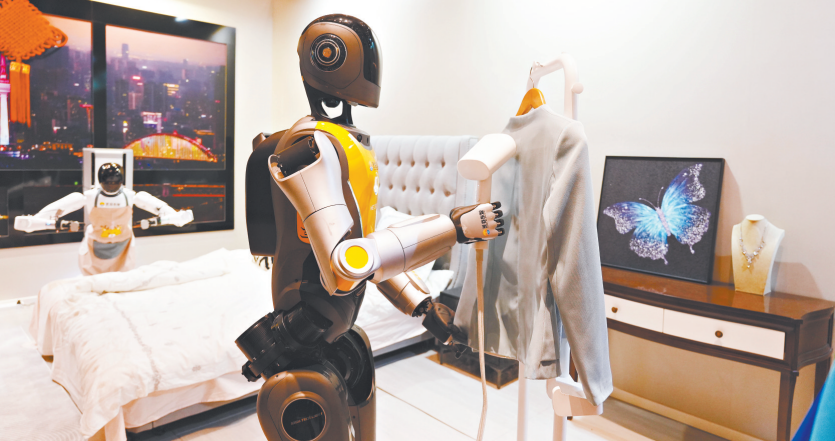
创新发展,武汉矢志不渝
Chang Jiang Ri Bao· 2026-02-25 00:33
Core Viewpoint - Wuhan is focusing on technological innovation as a consistent theme, emphasizing its importance for urban development and economic growth [3][5]. Group 1: Technological Innovation Focus - Wuhan has held its "New Spring First Meeting" five times since 2021, consistently centering on technological innovation [3][4]. - The city aims to transform its educational and talent advantages into innovation development advantages by 2023 [3]. - By 2024, Wuhan plans to lead the construction of a modern industrial system through technological innovation [3][4]. Group 2: Strategic Layout - The "One City, Three Corridors, Multiple Belts" strategy is designed to enhance innovation sourcing, result transformation, and industrial development [4][5]. - East Lake Science City is identified as the core of innovation, while various innovation corridors and university innovation development belts support the technological ecosystem [4][5]. Group 3: International Collaboration - Andreas Schaefer, global R&D testing head of ZF LIFETEC, highlighted Wuhan's significance as a strategic focus for the company, marking the first time a foreign guest spoke at the meeting [5][6]. - ZF LIFETEC plans to establish the largest airbag production base in the Asia-Pacific region in Wuhan by 2024, reflecting the city's appeal for investment [5][6]. Group 4: Advantages of Wuhan - Wuhan boasts a rich pool of scientific and educational talent, providing sustainable support for laboratory development [6]. - The complete automotive industry chain in Wuhan offers optimal testing grounds for cutting-edge technologies [6]. - The favorable business environment in Wuhan allows for rapid construction and development, as evidenced by the swift establishment of ZF's facilities [6].

明年起16种产品获3C认证方可销售
Xin Lang Cai Jing· 2026-01-07 22:24
Group 1 - The core point of the article is the adjustment of the mandatory product certification (CCC certification) model for 16 types of products, which will require third-party certification instead of self-declaration starting from January 1, 2027 [1] - The announcement by the State Administration for Market Regulation specifies that the 16 products must obtain CCC certification and affix the CCC mark before they can be manufactured, sold, imported, or used in other business activities [1] - Designated certification agencies will begin accepting applications for CCC certification for these products starting July 1, 2026, and companies must complete the certification conversion by December 31, 2026 [1] Group 2 - The 16 products that require CCC certification include automotive safety glass, seat belts, external lighting devices, indirect vision devices, vehicle recording devices, reflective markings, fuses, small power motors, electric drills, angle grinders, hammers, and various types of welding machines [1] - Products that have already been manufactured and are no longer in production during the self-declaration validity period do not need to convert to the new certification model and can continue to be sold [1]
汽车安全带等16种产品明年须取得CCC认证方可销售
Xin Lang Cai Jing· 2026-01-07 11:01
Core Viewpoint - Starting from January 1, 2027, 16 types of products, including automotive safety glass, safety belts, seats, headrests, driving recorders, and reflective body markings, will require CCC certification and labeling before they can be manufactured, sold, imported, or used in other business activities [1][2]. Group 1: Certification Changes - The certification model for certain products, such as electric drills and automotive safety components, will shift from self-declaration by companies to third-party certification evaluation [1]. - Designated certification bodies will begin accepting CCC certification applications for these products starting July 1, 2026 [1]. - Companies must complete the conversion to CCC certification by December 31, 2026, and proactively cancel their self-declarations [1]. Group 2: Regulatory Oversight - The market regulatory authority will guide certification bodies to conduct CCC certification work in a lawful, scientific, and efficient manner, enhancing regulatory oversight [2]. - The authority emphasizes the importance of ensuring certification quality and risk control while facilitating the issuance of CCC certification based on self-declaration evaluation results [2].
市场监管总局发布17种产品质量国家监督抽查情况
Zhong Guo Xin Wen Wang· 2025-12-29 13:59
Summary of Key Points Core Viewpoint The National Market Supervision Administration conducted a quality supervision inspection of 17 types of products, revealing a significant number of non-compliant items, which raises concerns about product safety and quality across various sectors. Group 1: Inspection Overview - A total of 1,018 batches of 17 product types were inspected across 13 platforms and 30 provinces, with 82 batches found to be non-compliant [1][10]. - The inspection included products from major e-commerce platforms such as Tmall, JD.com, Douyin, and Taobao, covering 297 batches from 283 sales units [1]. Group 2: Non-compliance Details - Among the 82 non-compliant batches, 4 batches were identified as illegal, including 1 active speaker and 3 automotive brake linings [1]. - The majority of non-compliant products were related to safety issues, including air conditioners, massage devices, dishwashers, and electric kettles [1][3][4]. Group 3: Specific Product Findings - **Room Air Conditioners**: 2 out of 27 batches were non-compliant, with issues related to safety and energy efficiency [3]. - **Massage Devices**: 5 out of 53 batches were non-compliant, with safety and electromagnetic interference issues [3]. - **Dishwashers**: 3 out of 33 batches were non-compliant, primarily due to structural and electrical issues [3]. - **Electric Kettles**: 5 out of 107 batches were non-compliant, with safety-related failures [4]. - **Active Speakers**: 4 out of 23 batches were non-compliant, with issues including lack of certification and safety failures [4]. - **Automotive Safety Products**: Multiple batches of automotive safety belts and brake linings were found non-compliant, raising concerns about vehicle safety [6][8]. Group 4: Regulatory Actions - The administration has mandated that non-compliant products be removed from e-commerce platforms and that corrective actions be taken by manufacturers [10]. - Continuous non-compliance will lead to stricter oversight, including on-site inspections and potential legal actions against offending companies [10].
2025年房间空气调节器等17种产品质量国家监督抽查情况通报
Zhong Guo Zhi Liang Xin Wen Wang· 2025-12-29 13:50
Summary of Key Points Core Viewpoint The recent national quality supervision inspection conducted by the State Administration for Market Regulation revealed that out of 1,018 batches of 17 types of products, 82 batches were found to be non-compliant, highlighting significant quality issues in various consumer products, including air conditioners, massage devices, and kitchen appliances. Group 1: Inspection Overview - A total of 1,018 batches of 17 product types were inspected across 13 platforms and 30 provinces, with 82 batches identified as non-compliant [1][2] - The inspection included products sold on major e-commerce platforms such as Tmall, JD.com, and Pinduoduo, as well as direct sales from manufacturers [1] Group 2: Specific Product Findings - **Room Air Conditioners**: 2 out of 27 batches were non-compliant, with issues related to safety and energy efficiency [3] - **Massage Devices**: 5 out of 53 batches were found non-compliant, primarily due to safety concerns regarding power connections and electromagnetic interference [3] - **Dishwashers**: 3 out of 33 batches were non-compliant, with structural and power input issues [4] - **Electric Kettles**: 5 out of 107 batches were non-compliant, with failures in moisture resistance and electrical safety [4] - **Active Speakers**: 4 out of 23 batches were non-compliant, with issues related to electrical safety and electromagnetic emissions [4] - **Lithium-ion Batteries**: 2 out of 65 batches were found to have capacity testing failures [5] Group 3: Regulatory Actions - Provincial market regulation departments are required to address the non-compliance issues promptly, including product recalls and enforcement actions against manufacturers [10] - Continuous non-compliance will lead to stricter oversight, including on-site inspections and potential legal actions against offending companies [10]
视频丨坐后排也要系!如何正确系好安全带?民警现场示范
Yang Shi Xin Wen Ke Hu Duan· 2025-11-06 06:11
Core Viewpoint - The article emphasizes the importance of wearing seat belts in the rear seats of vehicles, highlighting that many passengers neglect this safety measure despite being aware of its significance [10][12][23]. Group 1: Public Awareness and Behavior - Most passengers understand the importance of seat belts but often do not wear them in the back seat due to a lack of habit or perceived lower risk [5][10]. - Drivers tend to remind rear seat passengers to buckle up primarily on highways, while in urban areas, this reminder is less frequent due to lower speeds [7][9]. Group 2: Legal Framework and Enforcement - Not wearing a seat belt is a violation of traffic safety laws, and police can issue administrative warnings for such infractions [14][12]. - The article mentions specific legal provisions from the Road Traffic Safety Law that obligate passengers to wear seat belts, with penalties varying by region [23][25]. Group 3: Proper Usage of Seat Belts - Correctly wearing a seat belt is crucial for maximizing safety; improper use can lead to reduced protection or even injury during an accident [15][20]. - The article provides guidance on how to properly position seat belts for optimal safety, emphasizing the importance of correct placement on the body [20][22]. Group 4: Regional Regulations and Penalties - Different regions have established specific penalties for rear seat passengers not wearing seat belts, ranging from warnings to fines [25]. - The focus of enforcement is primarily on education and awareness rather than strict penalties, aiming to promote safety as the ultimate goal [25].

研判2025!中国汽车安全带行业市场政策、发展现状、竞争格局及未来前景分析:行业准入门槛较高,销售收入超870亿元[图]
Chan Ye Xin Xi Wang· 2025-06-10 01:38
Overview - The automotive safety belt is a standard component in every vehicle, and the demand for automotive safety belts in China is continuously growing due to the steady increase in automobile production and sales, as well as the rising importance of automotive safety regulations [1][10] - In 2024, the sales revenue of China's automotive safety belt market is projected to reach 87.32 billion yuan, representing a year-on-year growth of 5.92%, with the automotive manufacturing market accounting for over 90% of this revenue [1][10] Market Policies - The Chinese government has issued several policies to support the development of the automotive parts industry, including those focused on enhancing manufacturing reliability and promoting high-quality development in the automotive sector [3][5] - These policies create a favorable environment for the growth of the automotive safety belt industry [3] Industry Chain - The automotive safety belt industry consists of upstream suppliers of raw materials (such as polyester and polypropylene), midstream manufacturers of safety belts, and downstream markets including automotive manufacturing and aftermarket services [6] Current Development - The automotive market in China has seen rapid growth, with production and sales figures for the first quarter of 2025 reaching 7.561 million and 7.47 million vehicles, respectively, indicating a year-on-year increase of 14.5% and 11.2% [8] - This growth in the automotive market provides significant opportunities for the automotive safety belt industry [8] Competitive Landscape - The automotive safety belt industry has high technical requirements and significant capital investment, resulting in high entry barriers and market concentration [12] - International brands like Autoliv and Bosch dominate the high-end market, while domestic companies such as Junsheng Electronics and Songyuan Safety are increasing their competitiveness through innovation [12][14] Representative Domestic Companies - Junsheng Electronics is a leading global automotive electronics and safety supplier, with projected total revenue of 55.86 billion yuan in 2024, of which 38.62 billion yuan comes from automotive safety systems [14][16] - Songyuan Safety is a prominent supplier of passive safety systems in China, with total revenue of 1.971 billion yuan in 2024, and 1.264 billion yuan from automotive safety belt assembly [16] Development Trends - Future trends indicate that safety belts will integrate with intelligent vehicle systems, enhancing safety features such as driver fatigue monitoring and collision warnings [18] - There is also a growing demand for lightweight materials to improve vehicle efficiency, particularly in the context of electric vehicles [18]