新能源与智能网联汽车

Search documents
读懂经济大省新春第一会里的“政绩观”
Jing Ji Guan Cha Wang· 2026-02-26 00:59
Core Viewpoint - The New Year meetings of major economic provinces emphasize the establishment and practice of a correct performance outlook, focusing on manufacturing and private enterprises as key themes for economic growth in 2026 [1][2][4]. Group 1: Performance Outlook - Economic provinces are shifting from a singular focus on GDP growth to a balanced approach that includes growth quality, livelihood, innovation, and ecological sustainability [2][6]. - The Central Economic Work Conference in December 2025 highlighted the need for a pragmatic goal orientation to address existing challenges and enhance the quality of economic growth [1][2]. - The emphasis on a correct performance outlook aims to overcome current demand deficiencies and promote comprehensive economic recovery [1][2][4]. Group 2: GDP Growth Targets - Six major economic provinces have lowered their GDP growth targets for 2026 compared to 2025, indicating a more flexible approach to growth expectations [6]. - The adjustments in growth targets reflect a shift towards prioritizing structural adjustments, innovation, and debt resolution over mere numerical targets [6][7]. - The new performance evaluation mechanisms will focus on multiple dimensions, including green development and social welfare, rather than solely on GDP growth [7]. Group 3: Manufacturing Sector - The meetings highlighted the importance of maintaining a reasonable proportion of the manufacturing sector, with a focus on upgrading traditional industries and fostering new emerging industries [9][10]. - Hubei province aims to enhance its advanced manufacturing industry clusters and promote the integration of modern services with manufacturing [8][9]. - The manufacturing sector is seen as a critical component of China's growth model, with ongoing efforts to improve its competitiveness and contribution to the global supply chain [8][10]. Group 4: Private Enterprises - Private enterprises are increasingly recognized as vital to economic development, with several provinces emphasizing their role in driving growth and innovation [11]. - In Fujian, the government has engaged with private entrepreneurs to discuss their contributions and future prospects, highlighting the importance of a supportive policy environment [11]. - Hunan province has shifted its focus from attracting investment to promoting the growth of the private economy, indicating a long-term strategic commitment to this sector [11].
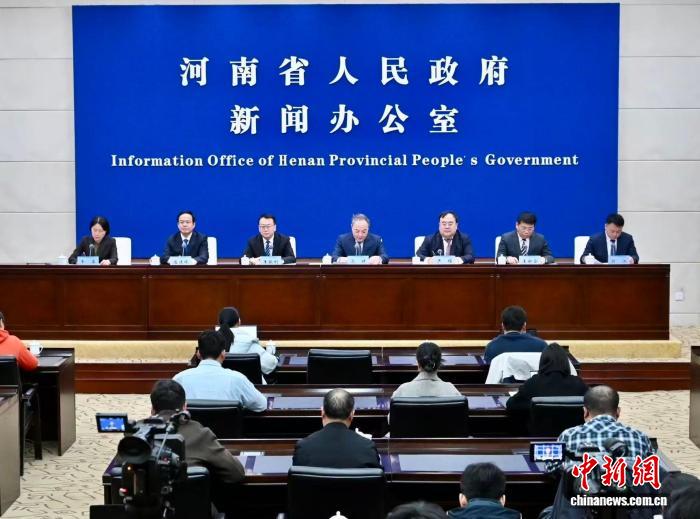
融入“大市场”,河南今年怎么纵深疏堵?
Zhong Guo Xin Wen Wang· 2026-02-25 11:52
Group 1 - The core focus of Henan province this year is to enhance its "hub" and "pivot" functions, addressing eight key areas to eliminate obstacles to the construction of a unified national market [2][3] - Since 2025, Henan has modified or abolished 160 policy documents that hinder the construction of a unified national market, handled 621 cases of unfair competition, and facilitated the cross-province migration of 2,730 enterprises [3] - The province has implemented "scan to enter" for enterprises, reducing the frequency of administrative inspections by 34%, and has initiated a trial phase for continuous settlement in the electricity spot trading market [3] Group 2 - By 2026, Henan will focus on continuously removing bottlenecks, accelerating the construction of logistics hubs, and enhancing the quality of the "Belt and Road" initiative [4] - The province plans to implement special actions to boost consumption, develop industries such as elderly care, housekeeping, digital services, and events, and promote the construction of national consumption pilot cities [5] - Henan aims to accelerate the development of emerging industrial clusters in new materials, new energy, and intelligent connected vehicles, enhancing the development capabilities of the Zhengzhou Airport Economic Zone [5]

创新发展,武汉矢志不渝
Chang Jiang Ri Bao· 2026-02-25 00:33
Core Viewpoint - Wuhan is focusing on technological innovation as a consistent theme, emphasizing its importance for urban development and economic growth [3][5]. Group 1: Technological Innovation Focus - Wuhan has held its "New Spring First Meeting" five times since 2021, consistently centering on technological innovation [3][4]. - The city aims to transform its educational and talent advantages into innovation development advantages by 2023 [3]. - By 2024, Wuhan plans to lead the construction of a modern industrial system through technological innovation [3][4]. Group 2: Strategic Layout - The "One City, Three Corridors, Multiple Belts" strategy is designed to enhance innovation sourcing, result transformation, and industrial development [4][5]. - East Lake Science City is identified as the core of innovation, while various innovation corridors and university innovation development belts support the technological ecosystem [4][5]. Group 3: International Collaboration - Andreas Schaefer, global R&D testing head of ZF LIFETEC, highlighted Wuhan's significance as a strategic focus for the company, marking the first time a foreign guest spoke at the meeting [5][6]. - ZF LIFETEC plans to establish the largest airbag production base in the Asia-Pacific region in Wuhan by 2024, reflecting the city's appeal for investment [5][6]. Group 4: Advantages of Wuhan - Wuhan boasts a rich pool of scientific and educational talent, providing sustainable support for laboratory development [6]. - The complete automotive industry chain in Wuhan offers optimal testing grounds for cutting-edge technologies [6]. - The favorable business environment in Wuhan allows for rapid construction and development, as evidenced by the swift establishment of ZF's facilities [6].
武汉发布“365”重大科技创新成果
Chang Jiang Ri Bao· 2026-02-25 00:32
Core Insights - The article highlights the release of 65 major technological innovation achievements in Wuhan, categorized into basic research, core technologies, and innovative products, covering key fields such as biomedicine, optoelectronic information, new energy, and intelligent connected vehicles [1][2] Group 1: Technological Achievements - 15 basic research achievements include original innovations, with technologies like the wireless monitoring ultrasound sensor for intracranial physiological signals from Huazhong University of Science and Technology and high-precision chromosome-level DNA replication tools from Wuhan University reaching international leadership [1] - 20 core technology achievements break foreign monopolies, such as the multi-wafer integration technology for large model inference chips from Hubei Jiangcheng Laboratory, which meets international standards [1] - 30 innovative product achievements include the world's first mobile phone satellite-connected phased array antenna and the first plant-derived recombinant human albumin injection, showcasing strong industrial capabilities [1] Group 2: Strategic Development - Wuhan is focusing on the "965" modern industrial system and deepening the integration of innovation chains and industrial chains, leveraging its educational advantages to accelerate development [2] - The release of these 65 major technological achievements injects strong momentum into Wuhan's goal of becoming a national technology innovation center and lays a solid foundation for development during the 14th Five-Year Plan period [2]
北京经开区接到“零碳KPI”,如何建成零碳园区?
2 1 Shi Ji Jing Ji Bao Dao· 2026-02-11 03:49
Core Insights - The Beijing Economic-Technological Development Area (BDA) aims to establish around 100 national-level zero-carbon parks during the 14th Five-Year Plan, with a focus on the new energy and intelligent connected vehicle industries [1][3] - A significant challenge is the current carbon emission intensity of 1.6 tons of CO2 per ton of standard coal, which is far above the national requirement of 0.2 tons [2][4] - The BDA plans to implement an AI-powered energy-carbon management platform to optimize energy and carbon flow management [1][10] Group 1: Current Challenges - The BDA's carbon emission intensity must decrease from 1.6 to 0.2 tons of CO2 per ton of standard coal, requiring a reduction of approximately 140,000 tons of carbon emissions over three years [2][4] - The energy consumption in the core area is projected to reach 303 million tons of standard coal in 2024, a 4.75% increase from the previous year, primarily due to the production of Xiaomi vehicles [2][3] - The BDA's carbon emissions decreased by 24.61% during the 13th Five-Year Plan, with a current energy structure of 75% electricity and 25% natural gas [2][3] Group 2: Renewable Energy Supply Issues - The BDA faces a critical challenge in sourcing renewable energy, as local generation meets less than 5% of its electricity needs, while the zero-carbon park requires at least 50% direct renewable energy connection [6][7] - Plans to import green electricity from Inner Mongolia and Hebei are complicated by long transport distances and technical challenges [6][7] - Projects such as agricultural solar power bases and biomass waste-to-energy initiatives are being explored to enhance local green electricity supply [6][7] Group 3: Cost and Infrastructure Challenges - The cost of replacing fossil fuels poses a significant challenge, with projected electricity consumption expected to double by 2028 due to expansions by companies like Xiaomi and CATL [7][8] - The BDA aims to reduce natural gas consumption from 27.72% to 10.67% by 2028, but the high costs of electric boilers compared to gas boilers hinder this transition [7][8] - The approval process for large-scale energy storage projects has stalled, impacting the ability to stabilize the grid with renewable energy [8][9] Group 4: Strategic Roadmap - The BDA has outlined a three-step roadmap from 2026 to 2028, focusing on energy efficiency improvements, green electricity initiatives, and the development of an AI-driven energy-carbon management platform [10][11] - The year 2026 will focus on energy-saving preparations and pilot projects, while 2027 will emphasize breakthroughs in green electricity connections [10][11] - By 2028, the goal is to integrate energy-saving and carbon reduction with industrial development, achieving the core carbon emission target [10][11]
瞭望·治国理政纪事|加快建成中部地区崛起的重要战略支点
Xin Hua She· 2026-02-07 02:19
Core Viewpoint - Hubei is positioned as a crucial strategic support point for the rise of the central region, emphasizing its unique geographical advantages, abundant resources, and solid development foundation, as highlighted by President Xi Jinping during his visit in November 2024 [4][5][6]. Economic Growth - By 2025, Hubei's economic output is expected to stabilize at 6 trillion yuan, with a year-on-year growth of 5.5%, surpassing the national growth rate by 0.5% [5][31]. - The province has maintained a leading growth rate nationally and within the central region, playing a key role as a major economic province [5][31]. Technological Innovation - Hubei is focusing on critical technologies and future industries, aiming to establish itself as a "World Optics Valley" with significant achievements in technology, including the first urban optical remote sensing satellite and the first atomic quantum computer in China [5][10]. - The province's comprehensive technology innovation index and regional innovation capability index rank seventh nationally, with improvements noted from the previous year [10]. Manufacturing Industry - The "51020" advanced manufacturing industry cluster in Hubei is strengthening, with five pillar industries reaching a scale of one trillion yuan, and six advantageous industries approaching 500 billion yuan [17]. - Hubei's manufacturing sector is characterized by a robust industrial base, with a focus on upgrading traditional industries and fostering new and future industries [14][17]. Agricultural Development - Hubei is enhancing its supply capacity for essential agricultural products, with a projected grain output of 55.824 billion jin in 2025, maintaining a stable production level for 13 consecutive years [2][31]. - The comprehensive output value of the province's ten key agricultural industry chains is expected to reach 1.19 trillion yuan [2]. Transportation Infrastructure - Hubei has developed a comprehensive transportation network, achieving high-speed rail connectivity across cities, with significant increases in port cargo throughput and international air cargo volume [2][23]. - The province's strategic location allows it to serve as a key hub for domestic and international trade, enhancing its role in the national economy [22][24]. Environmental Sustainability - Hubei is committed to ecological protection and green transformation, with initiatives to upgrade its chemical industry and improve environmental quality [19][20]. - The province has implemented measures to ensure industrial development aligns with ecological safety, contributing to national ecological security [20]. Open Economy - Hubei is enhancing its role in domestic and international markets, with a focus on building an open economy that leverages its transportation advantages [22][25]. - The province's foreign trade is projected to reach 834.01 billion yuan in 2025, with a year-on-year growth of 18.2%, leading in both trade volume and service exports in the central region [27].
凝聚集体智慧 助力支点建设
Xin Lang Cai Jing· 2026-02-02 21:08
Group 1: Core Insights - The Hubei Provincial Committee of the Chinese People's Political Consultative Conference submitted 25 collective proposals focusing on technology innovation, industrial upgrading, livelihood improvement, and ecological culture to support Hubei's strategic development as a key region in Central China [1] - The government report emphasizes the importance of the 14th Five-Year Plan period for Hubei's economic growth, setting a target of approximately 5.5% growth and promoting the integration of technological, industrial, and financial innovations [2] - Hubei is encouraged to implement a gradient climbing strategy for industries, focusing on consolidating existing trillion-yuan industry clusters while fostering emerging and future industries through specialized roadmaps [2] Group 2: Industry Development - Hubei aims to develop a trillion-yuan low-altitude economy by leveraging its unique advantages, including the establishment of a collaborative manufacturing industry for vehicles and aircraft, and supporting local electric vehicle companies in transitioning to flying car production [3] - The proposals include creating specific scenarios for low-altitude economic demonstration corridors, such as launching drone freight routes and establishing low-altitude tourism zones [3] Group 3: Cultural and Ecological Initiatives - The focus on the creative transformation of Hubei's cultural heritage and ecological advantages is highlighted, with suggestions to utilize digital technology and immersive performances to modernize cultural landmarks [4] - Proposals emphasize the importance of strengthening the research and dissemination of the Yangtze River civilization and converting ecological advantages into developmental benefits [4] Group 4: Social Welfare and Public Services - The Hubei Provincial Committee emphasizes addressing social concerns, particularly regarding the elderly and children, proposing initiatives for child-friendly city development and enhancing mental health services for youth [5] - Recommendations aim to optimize educational resource allocation in response to demographic changes, ensuring that public services are more inclusive and accessible [6] - The government report highlights the need to respond to new consumer demands, including emotional value, and suggests actions to enhance social stability and improve public welfare [6]
推动投资止跌回稳——与 三地发展改革委有关负责人对话
Ren Min Ri Bao· 2026-02-02 00:56
Core Viewpoint - Investment is a crucial engine for economic and social development, and the central economic work conference emphasizes the need to stabilize and stimulate private investment [1] Group 1: Investment Focus and Challenges - Harbin focuses on industries such as aerospace, high-end equipment, green food, and cultural tourism, with significant investment in ice and snow tourism projects totaling 2.35 billion yuan [2] - Wuhan is advancing in sectors like optoelectronic information, new energy vehicles, and artificial intelligence, with plans to initiate over 500 industrial projects worth more than 1 billion yuan each by 2025 [4] - Zhongwei is developing its digital information industry, with a total investment exceeding 144 billion yuan for seven large-scale intelligent computing center projects by 2025 [2][3] Group 2: Strategies for Investment Direction - Zhongwei emphasizes leveraging local resources, such as renewable energy, to support its digital information industry, while facing challenges in market and funding [3] - Harbin integrates various project types into a unified management list to enhance construction efficiency and quality, aiming for over 600 billion yuan in industrial project investments [4] - Wuhan aims to deepen its "chain-long + chain-master + chain-creation" integration mechanism to enhance advanced manufacturing and modern service industries [4] Group 3: Addressing Investment Pressures - Harbin faces challenges in investment structure and financial capacity, with private investment confidence affected by declining corporate profits [6] - Wuhan's investment growth is hindered by structural optimization needs and financial pressures, particularly in social welfare projects [6] - Zhongwei's investment challenges include insufficient industrial upgrade momentum and the need for long-term funding for large clean energy projects [6] Group 4: Measures to Stimulate Investment - Harbin is focusing on market demand and consumption upgrades to drive investment, with plans to establish a 10 billion yuan industrial investment fund to support enterprises [7] - Wuhan has implemented a "land immediately under construction" policy to streamline project approvals, significantly reducing the time from signing to production [8] - Zhongwei is enhancing its business environment and providing targeted support to enterprises, aiming for a 27% increase in fixed asset investment by 2025 [8] Group 5: Ensuring Effective and Sustainable Investment - Harbin is collaborating with Shenzhen to create a "fly-in" industrial park model, attracting 716 registered enterprises and advancing 135 cooperative projects [13] - Wuhan plans to improve urban renewal and public welfare, with initiatives to build over 10,000 new housing units and enhance infrastructure [14] - Zhongwei's "Sage Desert" renewable energy project aims to create a composite ecological system, integrating economic, ecological, and social benefits [14]
与三地发展改革委有关负责人对话——推动投资止跌回稳(经济新方位·对话·奋进2026)
Ren Min Ri Bao· 2026-02-01 23:19
Core Viewpoint - Investment is a crucial engine for economic and social development, and the Central Economic Work Conference emphasizes the need to stabilize and stimulate private investment [1] Group 1: Investment Focus and Strategies - Harbin focuses on industries such as aerospace, high-end equipment, green food, and cultural tourism, with significant investment in ice and snow tourism, totaling 2.35 billion yuan [1] - Wuhan is advancing in the optoelectronic information industry, new energy vehicles, biomedicine, and emerging technologies, with plans to initiate over 500 projects worth over 1 billion yuan each by 2025 [2][4] - Zhongwei is developing its digital information industry, with a total investment exceeding 144 billion yuan for seven super-large intelligent computing center projects by 2025 [2] Group 2: Challenges and Responses - Harbin faces challenges in investment structure optimization and insufficient financial resources, compounded by declining consumer confidence and investment willingness [6] - Wuhan's investment growth is hindered by the need for structural optimization and financial pressures, particularly in social welfare projects [6] - Zhongwei encounters challenges in industrial upgrading and funding for large clean energy projects, necessitating innovative mechanisms and precise policies [3][6] Group 3: Future Plans and Initiatives - Harbin plans to accelerate the implementation of over 700 industrial projects with an investment of over 60 billion yuan, focusing on aerospace and high-end equipment [5] - Wuhan aims to implement 2,090 projects worth over 1 billion yuan each in 2026, enhancing the participation of private enterprises in major projects [5][9] - Zhongwei intends to expand effective investment by promoting existing intelligent computing center construction and upgrading traditional industries with clean energy projects [5][9] Group 4: Ensuring Effective and Sustainable Investment - Harbin emphasizes collaboration with state-owned enterprises to ensure effective investment outcomes, with significant projects in power equipment and smart manufacturing [10] - Wuhan focuses on creating a favorable business environment to support project implementation, achieving an 85% rate of same-year project initiation for signed contracts [10] - Zhongwei adopts a "precision drip irrigation" approach to ensure investment resources are effectively allocated to competitive industries, enhancing infrastructure for energy consumption [11][12]
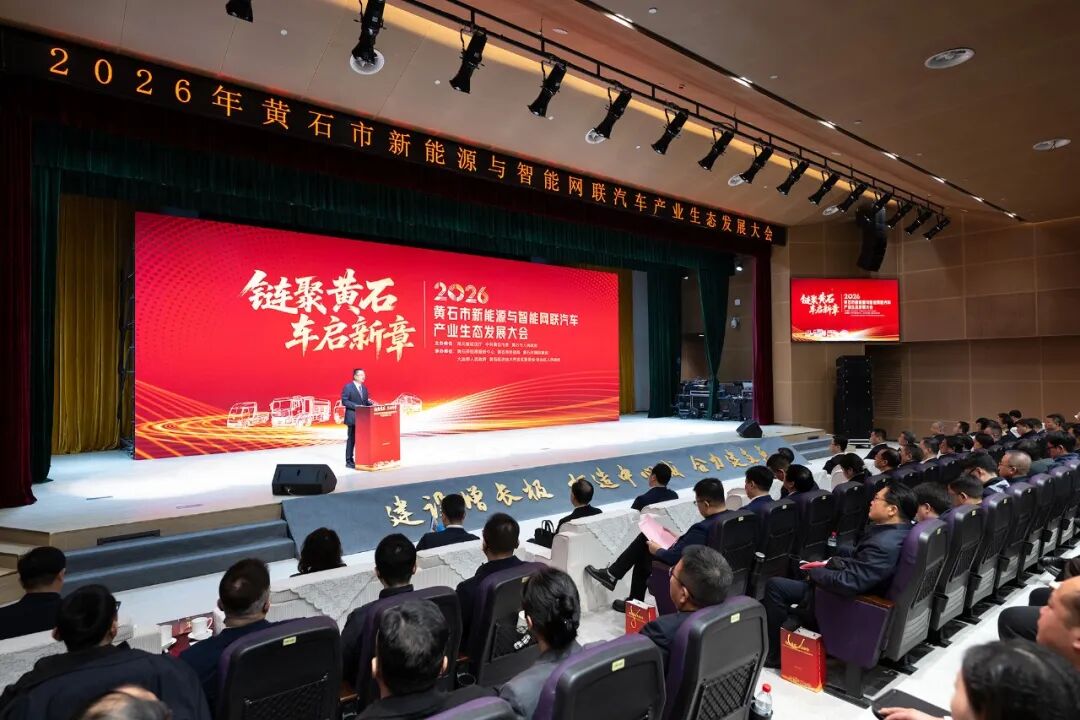
2026年黄石市新能源与智能网联汽车产业生态发展大会召开
Xin Lang Cai Jing· 2026-02-01 16:12
Core Insights - The 2026 Huangshi New Energy and Intelligent Connected Vehicle Industry Ecological Development Conference was held with the theme "Chain Gathering Huangshi, Car Opening New Chapter" [1] - Keynote speeches were delivered by prominent figures including Li Keqiang, an academician of the Chinese Academy of Engineering, and local government officials [1][13] Group 1: Government and Institutional Support - Huangshi is positioned as an ideal location for the development of the new energy and intelligent connected vehicle industry, boasting a solid industrial system and excellent business environment [2] - The provincial government, represented by Zhu Wankui, emphasized support for Huangshi's automotive industry, focusing on innovation, cluster cultivation, and ecological optimization to enhance industry capabilities [5] - Wuhan University of Technology aims to strengthen collaboration with Huangshi in core technology development, talent cultivation, and the establishment of an innovation center [8] Group 2: Industry Development and Collaboration - The conference highlighted the potential for Huangshi to develop a trillion-level industrial cluster in the new energy and intelligent connected vehicle sector [2] - Various industry leaders and experts participated in discussions about the ecological trends in the new energy vehicle industry, indicating a collaborative approach to industry growth [14] - The unveiling of the Huangshi Intelligent Connected Vehicle Innovation Center signifies a commitment to fostering a robust industrial ecosystem [11]