
汽车摩托车配件

Search documents
从“规模扩张”转向“质量提升”,跨境电商步入关键一跃
第一财经· 2026-01-23 12:47
Core Viewpoint - The article emphasizes the transformation of China's cross-border e-commerce from a focus on scale expansion driven by traffic to a quality enhancement approach that prioritizes compliance and innovation, as highlighted in the "14th Five-Year Plan" [3][4]. Group 1: Industry Growth and Trends - In 2025, China's cross-border e-commerce imports and exports are projected to reach 27.5 trillion yuan, representing a 69.7% increase compared to 2020 [3]. - Cross-border e-commerce is becoming a significant driver of new growth in foreign trade, promoting domestic industrial upgrades and facilitating a dual circulation of domestic and international markets [3][4]. - Traditional e-commerce categories are expanding, with cross-border platforms emerging as new sales channels for products like automobiles, AI glasses, and robots [4]. Group 2: Challenges Facing the Industry - The cross-border e-commerce sector is facing multiple challenges, including increased policy risks in markets like the U.S. and EU, rising compliance costs due to protectionism, and internal issues such as fragmentation and intense competition [4][5]. - There is a notable shortage of talent, difficulties in financing, and an underdeveloped overseas service support system within the industry [4]. Group 3: Strategic Recommendations and Future Directions - The core of the transformation in cross-border e-commerce lies in "orderly development," driven by policy guidance and compliance construction, suggesting that businesses should shift from passive compliance to proactive planning [4][5]. - Future development will focus on compliance, digitalization, branding, and sustainability, with an emphasis on cultivating cross-border e-commerce talent and enhancing digital and intelligent transformation [5]. - The industry is expected to move towards brand upgrades, moving away from low-price competition to high-value brand exports, while optimizing domestic supply chains through mergers, restructuring, and digital upgrades [5].

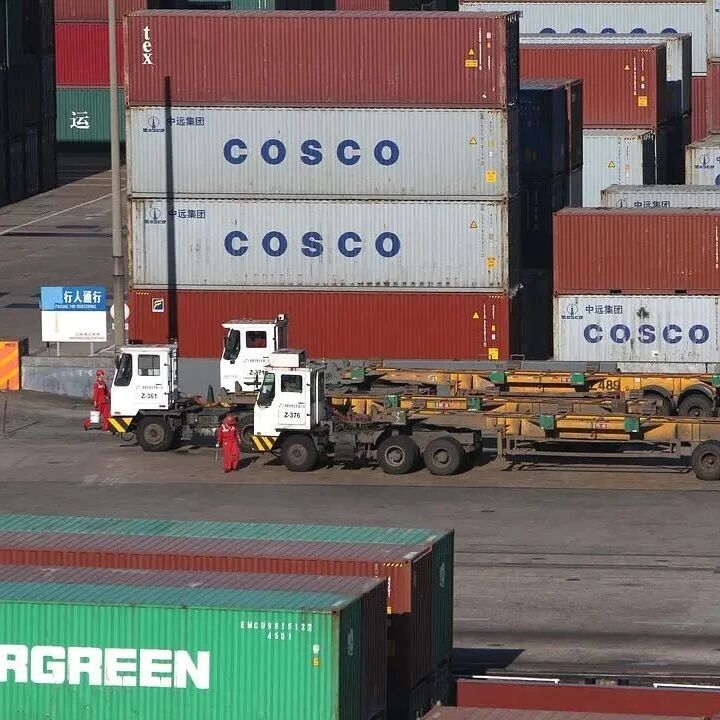
从“规模扩张”转向“质量提升”,跨境电商步入关键一跃|“十五五”产业前瞻
Di Yi Cai Jing· 2026-01-23 11:26
Core Insights - The introduction of the "14th Five-Year Plan" marks a transition for China's cross-border e-commerce from a focus on scale expansion driven by traffic dividends to an emphasis on quality improvement and compliance [1] - The plan aims to expand high-level opening up, promote trade innovation, and support the development of new business models like cross-border e-commerce [1] Group 1: Industry Growth and Trends - By 2025, China's cross-border e-commerce imports and exports are projected to reach 2.75 trillion yuan, representing a 69.7% increase from 2020 [1] - Cross-border e-commerce is playing a significant role in driving new growth in foreign trade, promoting domestic industrial upgrades, and balancing regional economies [1] - Platforms like Temu and Alibaba International Station are rapidly expanding overseas, with Temu achieving significant market scale in most countries within three years [2] Group 2: Challenges and Strategic Shifts - The cross-border e-commerce industry faces multiple challenges, including increased policy risks in markets like the US and EU, rising compliance costs, and issues of fragmentation and intense competition [4] - The industry is encouraged to shift from passive compliance to proactive strategies, including establishing sound financial and tax systems and enhancing management efficiency [4] - The focus is on cultivating cross-border e-commerce talent, digital transformation for merchants, and improving the ecological service systems of platforms [4] Group 3: Future Opportunities - The transition in cross-border e-commerce is seen as an opportunity for brand upgrades, moving away from low-price competition to high-value brand exports [5] - The optimization of domestic supply chains through mergers, restructuring, or digital upgrades is expected to enhance international supply chain control [5] - The industry is anticipated to evolve from "traffic operation" to "data empowerment," leveraging platform data for market analysis and product design [5]
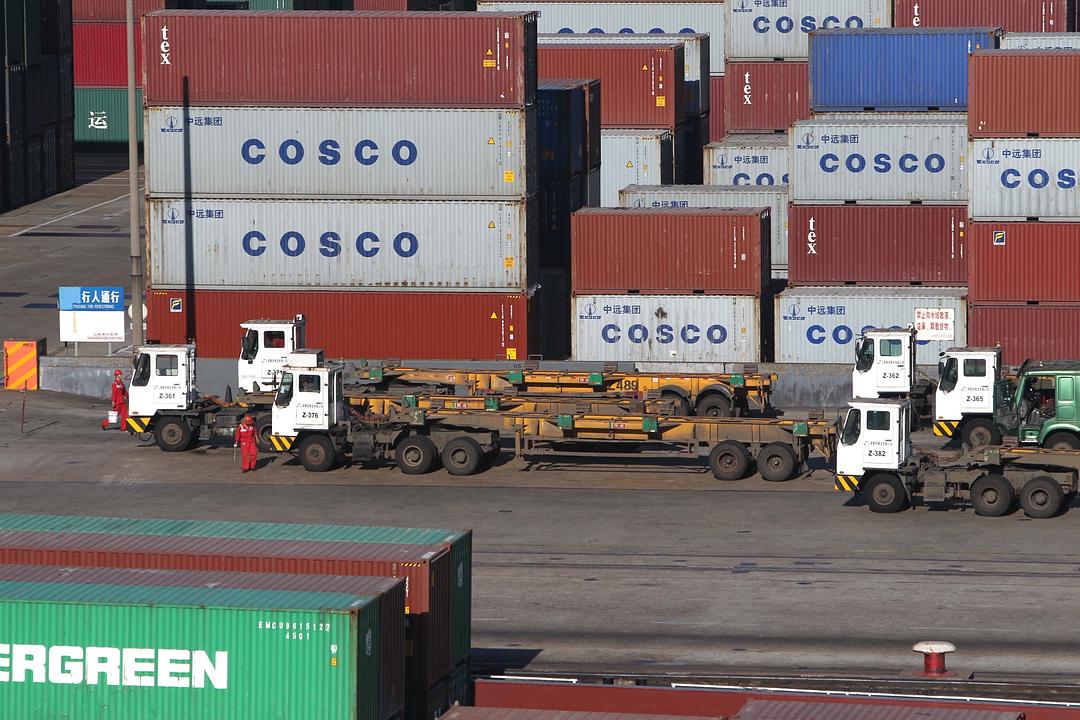
重庆市数字贸易和服务贸易高质量发展行动方案出炉 政策与产业共振 助“重庆造”产品高效“出海”
Zheng Quan Ri Bao· 2025-05-28 16:31
Group 1 - The Chongqing Municipal Government has released an action plan aimed at promoting high-quality development in digital trade and service trade, targeting an average annual growth of 10% in digital trade and 6% in service trade from 2025 to 2029 [1][2] - The plan includes the establishment of 2 to 3 national-level parks and 30 municipal digital trade industrial parks, with a focus on creating a recognizable and influential brand for Chongqing [1][2] - Emphasis is placed on developing a "cross-border e-commerce + industrial belt" model, supporting the growth of specific industries such as automotive parts, consumer electronics, and general machinery [1][2] Group 2 - The action plan encourages the improvement of the cross-border e-commerce ecosystem by attracting service providers in customs clearance, payment settlement, and big data analysis, among others [2] - It aims to enhance the integration of online and offline services, supporting the establishment of cross-border e-commerce offline service centers and smart parks [2] - The plan promotes the cultivation of DTC (direct-to-consumer) brands by cross-border e-commerce companies, leveraging social media and search engines for global brand promotion [2] Group 3 - The integration of industrial belts with cross-border e-commerce is expected to generate stable high-value-added goods, while digital supply chain collaboration can improve logistics efficiency [3] - By 2027, the plan aims to establish 30 smart factories and 300 digital workshops, focusing on upgrading and exporting products in high-tech fields such as smart connected vehicles and cloud computing [3] - The initiative also seeks to enhance international cooperation through the "Three Countries, Three Parks" model, aiming for a transition from product export to a model that includes "products + technology + standards" [3] Group 4 - Recent policies have been introduced to help local industries expand into overseas markets, including a plan to diversify automotive exports from a single model to multiple formats [4] - The city is positioning itself as a hub for smart connected vehicles, supported by a modern manufacturing cluster system to facilitate high-quality development in the automotive sector [4] - The focus on technological innovation and high-end brand development is seen as crucial for the future of the automotive industry in Chongqing [4]