
沉浸式文化体验

Search documents
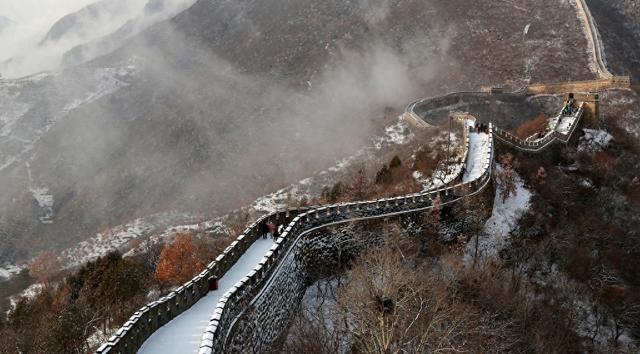
文旅融合的“怀柔样本”,当国潮、电竞与长城马拉松同台竞速
Xin Lang Cai Jing· 2026-01-23 10:41
Core Insights - Beijing's tourism industry is experiencing significant growth, with inbound tourist arrivals projected to reach 5.48 million in 2025, a 39% increase year-on-year, and tourism spending expected to hit 50.56 billion yuan, marking a 44.7% rise, both setting new historical records [1] - The city aims for high-quality development in inbound tourism by 2026, focusing on product innovation, platform development, service upgrades, and targeted marketing to create a comprehensive tourism development system [1] Group 1: Tourism Growth and Initiatives - During the New Year holiday, Beijing welcomed 8.81 million tourists, generating a total tourism expenditure of 10.97 billion yuan, showcasing a rich supply of cultural and tourism activities with over 1,400 events and 30 themed routes [1] - The Huairou District launched 22 cultural tourism activities and 4 special routes during the New Year, attracting 70,500 tourists, a 22.44% increase, and achieving a tourism revenue of 12.94 million yuan, up 6.47% [2] Group 2: Development Plans and Policies - Huairou District announced a new cultural tourism development framework, "one core, two belts, three zones, and nine areas," to enhance its tourism image and experience by integrating various cultural and tourism resources [4][6] - The district is set to introduce numerous cultural and sports events in spring, including a national trend culture season, music and food festivals, and various competitions, aiming to create a year-round vibrant cultural tourism scene [4][5] - Policies supporting the cultural tourism industry include financial backing for fixed asset investments, rural homestay management, and large-scale events, aimed at revitalizing the tourism market [5]

市委召开专题会议研究文化产业发展:繁荣发展文化产业,加快建设文化强市
Chang Jiang Ri Bao· 2025-07-17 13:59
Core Viewpoint - The meeting emphasized the importance of developing the cultural industry in Wuhan to enhance the quality of cultural supply and improve people's sense of cultural gain and happiness [1][2]. Group 1: Importance of Cultural Industry - The development of the cultural industry aligns with the public's aspiration for a better life and is crucial for stimulating cultural innovation, enhancing the city's cultural soft power, and promoting structural optimization, transformation, consumption expansion, and employment growth [2]. - Wuhan has a rich historical background and abundant cultural resources, with a continuous growth in the scale and upgrading of the cultural industry in recent years [2]. Group 2: Strategic Directions - The meeting called for a focus on industrial thinking and market awareness, advocating for the effective integration of social and economic benefits while utilizing market mechanisms to revitalize urban cultural resources [3]. - It was highlighted that the cultural industry should extend towards both ends of the industrial chain and ascend to the high end of the value chain, becoming a pillar for economic growth [3]. Group 3: Development Initiatives - The meeting proposed optimizing the industrial structure by consolidating and enhancing advantages in creative design, publishing, and animation, while also promoting emerging cultural industries such as online audio-visual, e-sports, and immersive cultural experiences [3]. - Emphasis was placed on leveraging technology, particularly artificial intelligence, to explore effective mechanisms for the integration of culture and technology, supporting cultural enterprises in key technology research and development [3]. Group 4: Organizational and Policy Support - Strengthening organizational leadership and improving work mechanisms were deemed essential, with a focus on forming a strong collaborative force to promote cultural industry development [4]. - The meeting stressed the need for policy support, integrating cultural industry development into the city's 14th Five-Year Plan, and ensuring timely and effective policy implementation [4].