
文化新质生产力

Search documents
文脉铸魂 科创赋能 产业兴城
Xin Lang Cai Jing· 2026-02-23 21:43
Core Insights - The article highlights the integration of culture and technology in Tianjin's cultural enterprises, aiming to enhance local cultural identity and economic growth through innovative projects and immersive experiences [1][2][4]. Group 1: Cultural Development - Tianjin's cultural enterprises are focusing on building a strong cultural foundation by deeply exploring local culture and traditions, creating high-quality works that resonate with the community [2][5]. - The short drama "Origin of Chen Tang's City" showcases the blend of AI technology and local culture, aiming to present Tianjin's essence through storytelling [3][4]. Group 2: Economic Growth - By 2025, the profit of large-scale cultural enterprises in Tianjin is expected to increase by 43.2%, with total tax revenue rising by 32.5% compared to the previous year [1]. - The cultural tourism sector is experiencing significant growth, with 80 cultural tourism enterprises reporting a revenue increase of 152.3% in 2025 [6]. Group 3: Technological Integration - The use of AI and digital technologies is pivotal in revitalizing Tianjin's cultural industry, enabling the creation of immersive experiences and innovative content [4][5]. - The Tianjin Digital Publishing Industrial Park has successfully attracted over 50 enterprises, achieving a 95% occupancy rate, and is fostering a collaborative environment for cultural and technological innovation [4]. Group 4: Market Adaptation - Traditional brands like "Ostrich Ink" are adapting to modern market demands by diversifying their product lines and embracing innovation, thus maintaining relevance in a competitive landscape [6][7]. - The introduction of culturally inspired products, such as the "Eastern Ink Rhythm" set, reflects a strategic move to appeal to younger consumers while promoting Chinese cultural heritage [7].
【文化评析】探源文化产业的韧性与活力
Sou Hu Cai Jing· 2026-02-05 01:21
Core Insights - The cultural and related industries in China are projected to achieve a revenue of 15.2 trillion yuan by 2025, reflecting a growth of 7.4% compared to the previous year, with 16 sub-sectors showing a revenue of 68,253 billion yuan, marking a 14.3% increase and contributing over 80% to the overall revenue growth [1][2] - The demand for cultural products and services is surging, driven by a significant increase in per capita GDP, which has led to a profound change in consumer spending patterns, with per capita spending on education, culture, and entertainment expected to reach 3,489 yuan by 2025, a growth of over 70% since 2020 [2][5] - The integration of digital technology, particularly generative artificial intelligence, is reshaping the cultural industry, enhancing the supply of cultural products and services, and significantly reducing production costs and technical barriers [3][4] Industry Growth and Trends - The cultural industry is transitioning from scale expansion to quality enhancement, with a focus on ecological construction rather than just content production, showcasing resilience and innovative vitality amid economic pressures [1][5] - The government has implemented policies to stimulate cultural and tourism consumption, resulting in over 29,000 planned cultural and tourism activities during the National Day holiday in 2025, with total spending reaching approximately 809 billion yuan [4] - The rise of new consumer demographics, including the middle-income group and the "Z generation," is expected to further broaden and deepen cultural consumption, positioning China's cultural industry as a significant player in the global cultural landscape [5]
北京昌平以创新融合驱动文化繁荣
Xin Lang Cai Jing· 2026-02-02 09:46
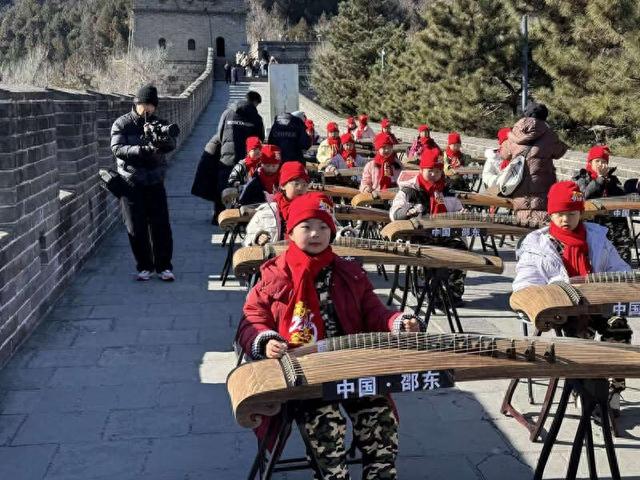
Core Insights - The cultural industry in Changping District, Beijing, is experiencing vibrant growth through innovative practices that integrate traditional arts and modern creative events [1][5] Group 1: Cultural Events - The "Inheritance of Classics: Guqin Sound at the Great Wall" cultural practice event featured over 40 elementary school students from Shaodong, Hunan, performing on the Great Wall, enhancing cultural dialogue between historical sites and traditional music [1][2] - The event provided a unique platform for youth to engage with traditional culture, improving their cultural literacy and artistic appreciation while showcasing the contemporary vitality of Chinese civilization [2][5] Group 2: Cultural Creative Competition - The Changping Cultural Creative Competition concluded successfully, focusing on cultivating new cultural productivity and creating a platform for creative display, industry connection, and talent aggregation [3][5] - The competition featured three main tracks: audiovisual creativity, creative design services, and cultural technology integration, attracting over 200 participants and collecting 256 works across various fields [3] Group 3: Future Developments - A cultural technology integration computing power platform was officially signed at the award ceremony, aimed at providing comprehensive services for cultural enterprises [5] - Changping plans to develop a "Great Wall + Traditional Arts" cultural brand, offering a series of regular and diverse cultural practice activities to transform static cultural relics into dynamic experiences [5]

市文联党组书记马新明:推动首都文艺从高原迈向高峰
Xin Jing Bao· 2026-01-28 22:49
Core Viewpoint - The Beijing Municipal Federation of Literary and Art Circles has achieved significant success in cultural production, with over 70 works winning international and domestic awards, and over 60 works receiving municipal-level accolades, marking the best performance in history for the capital's cultural creation [1][5]. Group 1: Cultural Production Achievements - In 2025, Beijing's cultural sector produced over 70 award-winning works, including films and television series, contributing to the city's status as a national cultural center [1][5]. - The city has seen a record number of awards, with 14 medals from the China Music Golden Bell Awards, 5 works recognized in the China Dance Lotus Awards, and significant achievements in visual arts and literature [6]. Group 2: Support and Funding Initiatives - The Beijing Municipal Federation has invested nearly 30 million yuan to support over 50 incubation projects, enhancing the quality and reach of cultural productions [2][3]. - A comprehensive support system has been established, including revised funding management methods and a focus on high-quality development through strategic planning [2][3]. Group 3: Thematic Focus and Future Plans - The federation is preparing for major thematic works related to significant anniversaries, such as the 90th anniversary of the Long March and the 100th anniversary of the founding of the People's Liberation Army, with new productions expected to be released [7][9]. - Plans include a series of artistic activities and exhibitions to engage the public and promote cultural heritage, such as the "Great Long March" TV series and various art exhibitions [7][8]. Group 4: Community Engagement and Outreach - The federation aims to enhance grassroots cultural engagement by bringing quality artistic resources directly to communities, focusing on rural revitalization and cultural exchanges [9][10]. - Initiatives include organizing art events in public spaces and promoting local cultural products, ensuring that art is accessible to a wider audience [8][10].
2026北京两会|巩固申遗成果,深耕“三条文化带”建设,促进文化遗产活化利用 北京要做彰显文化自信的历史文化名城
Bei Jing Shang Bao· 2026-01-26 14:37
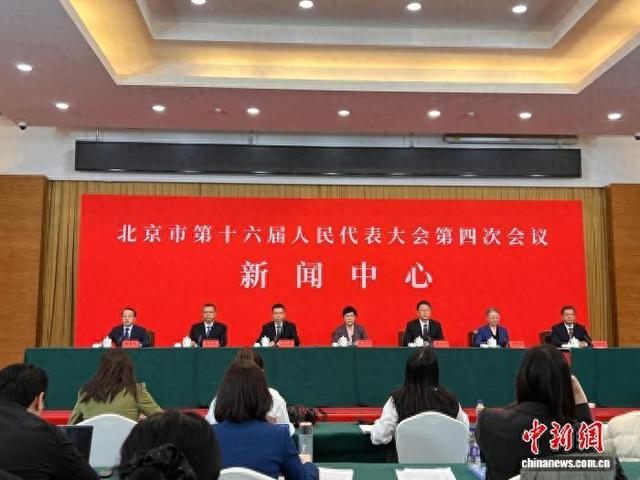
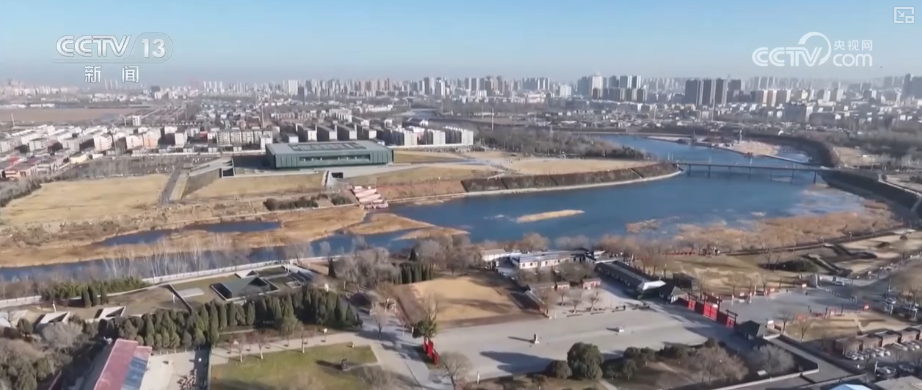
Group 1 - The core objective of Beijing's "14th Five-Year Plan" is to enhance cultural soft power and influence, with a focus on heritage protection and cultural innovation [4][5] - Beijing aims to establish itself as a historical cultural city that reflects Chinese cultural confidence, improving the management system for cultural heritage protection [4] - The city plans to implement the "Beijing Central Axis Protection and Inheritance Three-Year Action Plan" to consolidate its heritage application results and promote the creation of a national cultural relic protection and utilization demonstration area [4][5] Group 2 - During the "14th Five-Year Plan," Beijing has been advancing the construction of three cultural belts: the Great Wall, the Grand Canal, and the Xishan Yongding River, showcasing the city's cultural richness [5] - The city will continue to develop these cultural belts in the "15th Five-Year Plan," including the construction of the second phase of the Grand Canal source site park and the restoration of key sections of the Great Wall [5] - Beijing is also focusing on cultivating new cultural production capabilities and promoting the revitalization of cultural heritage through technology integration [5][6] Group 3 - The "15th Five-Year Plan" emphasizes the importance of digital technology in enhancing cultural heritage research, interpretation, and dissemination [6] - The establishment of a comprehensive database for immovable cultural relics and a multi-level intangible cultural heritage list is planned to support this initiative [6] - The city encourages collaboration between traditional brands and cultural IPs, as well as new consumer brands, to foster innovative development [6]
“十五五”时期北京将开展文化科技创新计划 培育文化新业态
Xin Lang Cai Jing· 2026-01-26 11:44
Group 1 - The core viewpoint of the article highlights Beijing's cultural and technological innovation plans during the "14th Five-Year Plan" and the upcoming "15th Five-Year Plan," focusing on the integration of culture and technology [1][3] - During the "14th Five-Year Plan," Beijing has made significant progress in cultural system reforms, with a "1+N" policy framework enhancing cultural productivity and leading to record-breaking audience numbers for events like the "Honor of Kings" professional league finals [3] - The city plans to establish key laboratories and demonstration bases for cultural and technological integration, accelerating the application of advanced technologies like artificial intelligence [3][4] Group 2 - Beijing aims to implement a major project-driven strategy to boost cultural and technological projects in key areas such as performing arts, publishing, and online audiovisual media [3] - The city will enhance the "ticket root +" model, promoting diverse business formats that encourage travel linked to cultural events, films, and exhibitions [4] - The tourism market is thriving, with the city receiving 390 million visitors, reflecting a year-on-year growth of 4.8%, indicating a strong recovery and interest in inbound tourism [3][4]
让更多人愿意奔赴北京这座城
Xin Lang Cai Jing· 2026-01-26 00:26
Core Viewpoint - Beijing aims to enhance its cultural soft power and influence through the integration of culture, commerce, tourism, and sports, as highlighted in the government work report, which emphasizes the need for deeper collaboration and innovative consumption experiences in the city [1]. Group 1: Cultural and Artistic Development - The government report emphasizes the construction of a performing arts capital, with plans to create performing arts districts and host more large-scale events, aiming for over 70 works to win international and national awards by 2025 [1]. - Suggestions include enhancing collaboration between performance groups and travel agencies to create travel products that integrate arts and tourism, utilizing platforms like short videos to reach wider audiences [2]. Group 2: Tourism and Consumption - The integration of rural tourism with cultural and commercial elements is essential, as demonstrated by the development of cultural landmarks like the Wangping Ancient Road Impression Town, which has attracted many visitors through diverse offerings [3]. - The proposal to leverage holidays for creating immersive experiences that connect various attractions, performances, and dining options aims to stimulate consumption throughout the year [3]. Group 3: Sports and Events Economy - The report highlights the importance of developing a sports economy alongside leisure and cultural consumption, with the Yanqing Olympic Park attracting a growing number of visitors, including families and international tourists [4][5]. - The integration of ice and snow sports with cultural and tourism resources is suggested to enhance visitor experiences and extend the value chain of ice and snow consumption [5]. Group 4: Event System Development - The establishment of a modern event system is seen as crucial for enhancing Beijing's image and driving consumption innovation, with recommendations for fostering vibrant grassroots sports organizations [6]. - The integration of events with commercial and cultural attractions is proposed to create a sports consumption season in Beijing, enhancing the overall experience for participants and spectators [6]. Group 5: Ticket Economy - The growth of Beijing's performance market reflects a systemic upgrade, with a focus on developing a unique "ticket economy" that connects audiences with local businesses through ticketing platforms [7]. - The aim is to transform tickets from mere entry passes into "consumption connectors" that promote local dining, accommodation, and attractions, creating a beneficial cycle for both culture and commerce [7]. Group 6: Cultural Heritage and Sustainability - The role of intangible cultural heritage in the integration of culture, commerce, and tourism is emphasized, with suggestions for developing educational tourism products based on archaeological findings and local customs [8]. - The need to balance economic development with the preservation of cultural heritage is highlighted, advocating for sustainable practices that benefit both culture and the economy [8].

外溢产值3390.95亿元!“电影+”消费热浪溢出影院 释放文化经济增长新空间
Yang Shi Wang· 2026-01-22 05:19
Group 1 - The film "Fengshen 2" has sparked national interest in the Yin Ruins, significantly boosting tourism in Anyang, Henan Province [1][6] - The artistic representation of elements such as oracle bones and bronze artifacts in "Fengshen 2" has become a key driver for cultural tourism in Anyang [4] - The Anyang Yin Ruins Museum has experienced a high volume of visitors seeking artifacts similar to those featured in the film [6] Group 2 - The "Huan Su·Dai Yishang" large-scale live performance has attracted visitors by recreating historical scenes using advanced technology [8] - The number of XR devices available for visitors at the Yin Ruins has increased from two to four to accommodate rising tourist numbers [10] - The museum plans to launch 20 to 30 new cultural products before the Spring Festival, including decorative items and souvenirs [12] Group 3 - Cultural venues like the China Character Museum and Anyang Museum will remain open for free during the Spring Festival, offering special exhibitions and activities [14] - Anyang's cultural tourism department has planned 235 activities for the 2026 Spring Festival, including 154 cultural events and 78 tourism performances [16] Group 4 - Qingdao is leveraging its rich film culture resources to create diverse tourism products, enhancing winter tourism consumption [17] - The Oriental Movie Metropolis in Qingdao has transformed into an immersive experience site, allowing visitors to engage with film sets and learn about filmmaking [19] - A "ticket root economy alliance" has been established to provide discounts for tourists based on travel tickets, promoting local consumption [20] Group 5 - The Chinese film industry's total output value is projected to reach 8172.59 billion yuan by 2025, with a box office multiplier of approximately 1:15.77 [22][24] - The film industry's core sectors, including production and distribution, are expected to generate 2266.18 billion yuan, while ancillary sectors will contribute significantly to the overall value [27] Group 6 - The integration of film and tourism is enhancing cultural consumption, with initiatives like "Follow the Movie to Travel" driving tourism growth in filming locations [32] - The film industry is playing a crucial role in economic development, reflecting the potential for cultural industries to contribute to social and economic growth [33]
以精神上的独立自主激发新时代文化创新创造活力
Xin Lang Cai Jing· 2026-01-19 23:20
Core Viewpoint - The article emphasizes the importance of cultural innovation and creativity driven by spiritual independence and autonomy, which is essential for building a culturally strong nation and maintaining the vitality of Chinese civilization [1][2][3]. Group 1: Spiritual Independence as the Foundation of Cultural Innovation - Spiritual independence is the foundation of cultural innovation and creativity, allowing individuals and groups to think, judge, and decide autonomously without external coercion [1][2]. - The vitality of cultural innovation stems from a conscious adherence to national cultural roots and a rational examination of external cultural influences, enabling a breakthrough in cultural paradigms [2][3]. - The essence of cultural innovation in socialism with Chinese characteristics lies in adhering to Marxism while maintaining spiritual independence and leveraging traditional Chinese culture [2][3]. Group 2: Cultural Innovation as a Practice of Spiritual Independence - Cultural innovation serves as a tangible expression of spiritual independence, transforming abstract concepts into perceptible cultural practices that resonate with the public [4][5]. - The response to contemporary societal needs through innovative cultural forms, such as youth-oriented storytelling in mainstream media, enriches the practice of spiritual independence [5][6]. - Cultural innovation fosters equal exchanges with the outside world, allowing for a genuine expression of national spirit and breaking the monopoly of Western narratives [5][6]. Group 3: New Pathways for Cultural Innovation and Independence - The article suggests that achieving spiritual independence requires a long-term commitment to integrating Marxist principles with Chinese realities and traditional culture [6][7]. - The development of new cultural productive forces, driven by technological innovation and the integration of culture and technology, is essential for advancing cultural industries [7]. - Constructing an autonomous cultural knowledge system is crucial for resisting Western cultural hegemony and ensuring the integrity of Chinese cultural identity [7].
文化新质生产力如何推动“两个文明”相协调的现代化?
Xin Lang Cai Jing· 2026-01-13 00:13
Group 1 - The core viewpoint emphasizes that high-quality development is a fundamental principle and primary goal during the "14th Five-Year Plan" period, with cultural new productive forces playing a crucial role in promoting this development [1] - Cultural new productive forces are driving a systematic reconstruction of material civilization, influencing production practices and consumption methods beyond just technological aspects [2] Group 2 - Cultural new productive forces are reshaping cultural production practices, transitioning from traditional content reproduction to autonomous generation, significantly enhancing content supply capabilities through technologies like AI-generated content (AIGC) [2] - The production logic has evolved, redefining production boundaries and creative roles, while platform-based and networked production fosters interactive and collaborative creation processes [2] - Cultural production is expanding from traditional industries into broader social practice fields, facilitating cross-industry collaboration and making cultural industries a vital force for multi-industry integration [2] Group 3 - Cultural new productive forces are reconstructing cultural consumption patterns, shifting from one-way acceptance to co-creation, where consumers actively participate in cultural value reproduction [3] - Consumption behavior is increasingly networked and collaborative, relying on algorithmic recommendations and social connections, forming a synergistic network of "algorithm-user-content" [3] - The nature of cultural consumption is evolving from mere possession of symbols to their reproduction, with digital tools enabling the re-encoding and meme-like dissemination of cultural symbols [3] Group 4 - Cultural new productive forces support the elevation of spiritual civilization by embedding cultural innovation and ideological production into social sciences and moral thought, driving overall advancement [4] Group 5 - The "14th Five-Year Plan" suggests leveraging new technological revolutions and industrial transformations to enhance the overall effectiveness of the national innovation system, fostering a collaborative innovation framework among education, technology, and culture [5] - In education, digital and intelligent technologies are transforming teaching from one-way knowledge transfer to participatory meaning generation, cultivating modern citizens with innovative capabilities [5] - In technology, scientific research is shifting towards cultural rationality, enhancing the cultural connotation of technological innovation [5] - In culture, new productive forces are leading to a smart phase of cultural production, expanding the depth of cultural content through sharing and co-creation [5] Group 6 - Cultural new productive forces are reinforcing the socialist moral framework through digital dissemination and interactive networks, promoting the core socialist values in social life [6][7] - Public morality is being transformed from promotional guidance to participatory engagement, with systems like credit ratings enhancing the feedback mechanism for public behavior [7] - Digital narratives and network culture are evolving family ethics from static teachings to dynamic generation, allowing traditional virtues to be expressed in new cultural contexts [7] Group 7 - Cultural new productive forces are essential for constructing and disseminating a new form of human civilization, facilitating the coordinated development of material and spiritual civilizations [8] - The transition from efficiency-driven material civilization to culture-empowered production processes enhances the humanistic and ecological aspects of material products [8] - The spiritual civilization is evolving from mere ideological declarations to experiential and shareable realities, with digital arts and online education expanding the social foundation of spiritual production [8] Group 8 - The development quality of cultural enterprises and industries is being enhanced, reflecting a people-centered approach that ensures cultural consumption meets diverse needs while reinforcing social value [8] - The integration of technology, systems, and values in cultural new productive forces supports the global dissemination of Chinese civilization, transforming it into an interactive and co-creative process [8]