沙茶酱

Search documents
北京麻酱VS川渝油碟VS云贵蘸水,到底哪里的火锅蘸料最好吃?
Xin Lang Cai Jing· 2026-02-19 05:36
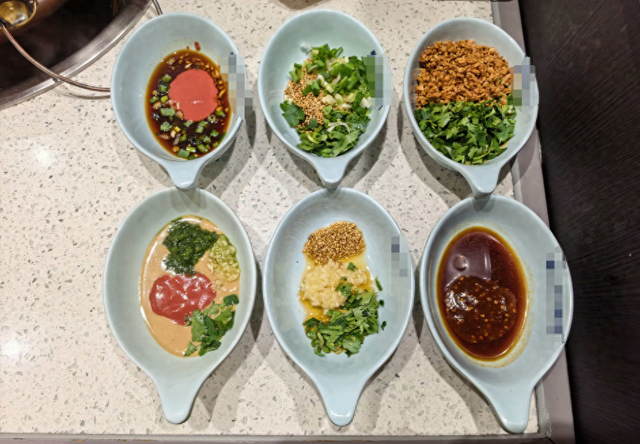
Core Viewpoint - The article explores the diverse dipping sauces used in hot pot across different regions of China, highlighting their unique flavors and cultural significance. Group 1: Types of Dipping Sauces - Northern Sesame Sauce Style: Characterized by a rich and thick sesame sauce, often a mix of 20% sesame paste and 80% peanut paste, commonly used in regions like Beijing and Inner Mongolia [6][8]. - Sichuan and Chongqing Oil Dip Style: Features a combination of dry dip (chili powder, sesame, salt) and oil dip (sesame oil, garlic), known for its spicy and fragrant profile [17][19]. - Yunnan and Guizhou Dipping Water Style: Known for its focus on spicy and aromatic flavors, using ingredients like roasted chili powder and various herbs [23][25]. - Coastal Fresh and Sweet Style: Emphasizes light and fresh flavors, often using seafood sauce or soy sauce, typical in regions like Guangdong and Hainan [33][35]. Group 2: Nutritional Insights - Sesame sauce is high in calories and fat, with one tablespoon containing nearly 100 kcal and 8 grams of fat, equivalent to the calories in two bowls of rice if consumed in excess [8][12]. - The Sichuan oil dip enhances flavor while also providing a way to mitigate the heat from spicy dishes, with ingredients that can increase dietary fiber and essential nutrients [22][23]. - The Guizhou dipping water is noted for being low in fat and enhancing appetite, while the Yunnan version offers a refreshing taste that balances richer meats [32][25]. Group 3: Health Considerations - The article advises caution regarding hidden calories in sauces like sesame and chili oils, which can contribute significantly to overall caloric intake [47][48]. - It highlights the importance of managing sodium intake, as many dipping sauces contain high levels of salt, potentially exceeding daily recommended limits [49][50]. - Recommendations for specific dietary needs include low-calorie options for weight loss and low-sodium alternatives for individuals with hypertension [54][55].

朴朴超市港股IPO前瞻:前置仓模式盈利性验证与挑战?
Sou Hu Cai Jing· 2025-07-30 00:13
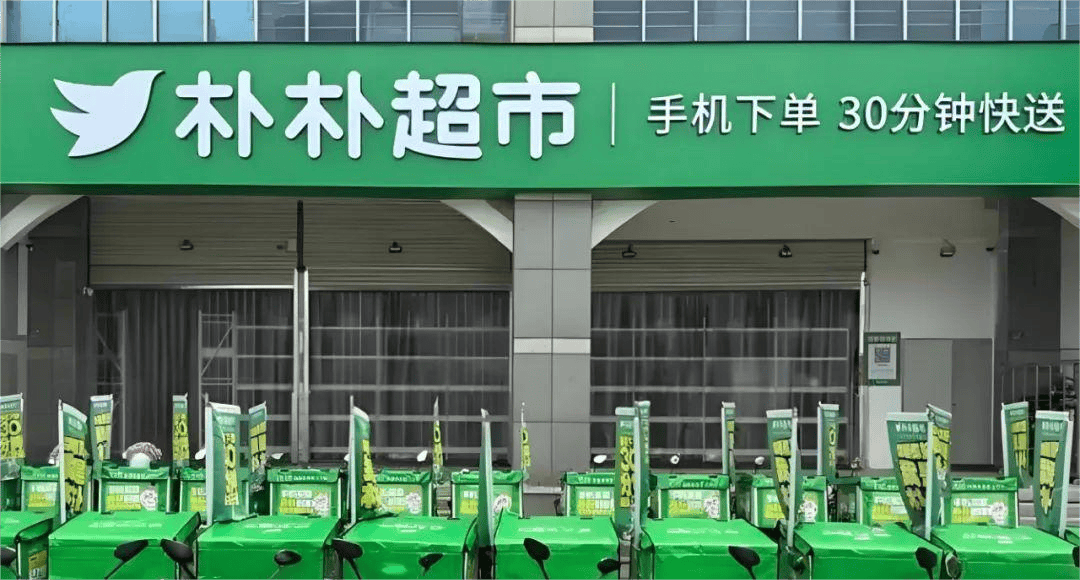
Core Viewpoint - Pupu Supermarket is successfully disrupting the instant retail industry by focusing on regional deep cultivation and efficiency, achieving significant profitability without nationwide expansion, and is preparing for a Hong Kong IPO in 2025 [1][3]. Group 1: IPO and Financial Performance - Pupu Supermarket plans to submit its IPO application to the Hong Kong Stock Exchange by 2025, showcasing its profitable "front warehouse + regional deep cultivation" model [3]. - In 2024, Pupu is projected to achieve an annual revenue of approximately 30 billion yuan with a gross margin of 22.5% and a fulfillment cost rate controlled under 17.5% [3]. - The company’s revenue is heavily concentrated in the Fujian and Guangdong regions, with 90% of income derived from these areas, which poses challenges for profitability in new cities [3]. Group 2: Market Expansion Strategy - Pupu's strategy for 2025 involves consolidating its existing markets while cautiously expanding into new areas, including extending services to county towns [4]. - The company has opened new warehouses in cities like Fuzhou and Quanzhou, with the first day of orders in Quanzhou exceeding 16,000 [4]. - Pupu operates large front warehouses of 800-1000 square meters with 6,000-8,000 SKUs, requiring an average of 3,500 orders per warehouse to break even [4]. Group 3: Product Strategy - Pupu focuses on quality-price ratio, leveraging private labels and supply chain optimization to create competitive barriers [5]. - The company plans to launch multiple subsidized products in its app in 2025, with discounts of up to 40% on various items [5]. - Private label sales are expected to exceed 5 billion yuan in 2024, accounting for 15%-20% of total sales, with plans to expand the SKU count to 750 by 2025 [5]. Group 4: Supply Chain and Operations - Pupu's large warehouse model reduces fulfillment costs, with a delivery radius of 1.5 kilometers and fulfillment cost rates decreasing from 22% in 2021 to 15% in 2024 [6]. - The company has achieved significant efficiency in its regional supply chain, with a reduction in waste rates and improved sorting efficiency [6]. - Local sourcing accounts for 80% of fresh produce in Fujian, leading to a 15% lower procurement cost compared to competitors [5][6]. Group 5: Competitive Response - Pupu adopts a defensive and penetrating strategy against competitors like Meituan and JD.com, focusing on regional user engagement and reducing reliance on third-party platforms [9]. - The company leverages local supply chain advantages and unique regional products to differentiate itself in the market [9]. - Pupu aims to optimize warehouse efficiency and regional delivery networks to counteract competitive pressures from larger players [9]. Group 6: Strategic Outlook - Pupu's core strategy revolves around regional dominance and deep supply chain integration, balancing opportunities and challenges [10]. - The short-term goal is to achieve breakeven in Quanzhou within six months while expanding into surrounding county towns [10]. - If Pupu maintains healthy profitability in individual cities, it could become a benchmark for efficiency competition in the instant retail sector [11].