津保铁路

Search documents
十年磨一剑 津保铁路为区域发展持续注入活力
Zhong Guo Jing Ji Wang· 2025-12-31 15:32
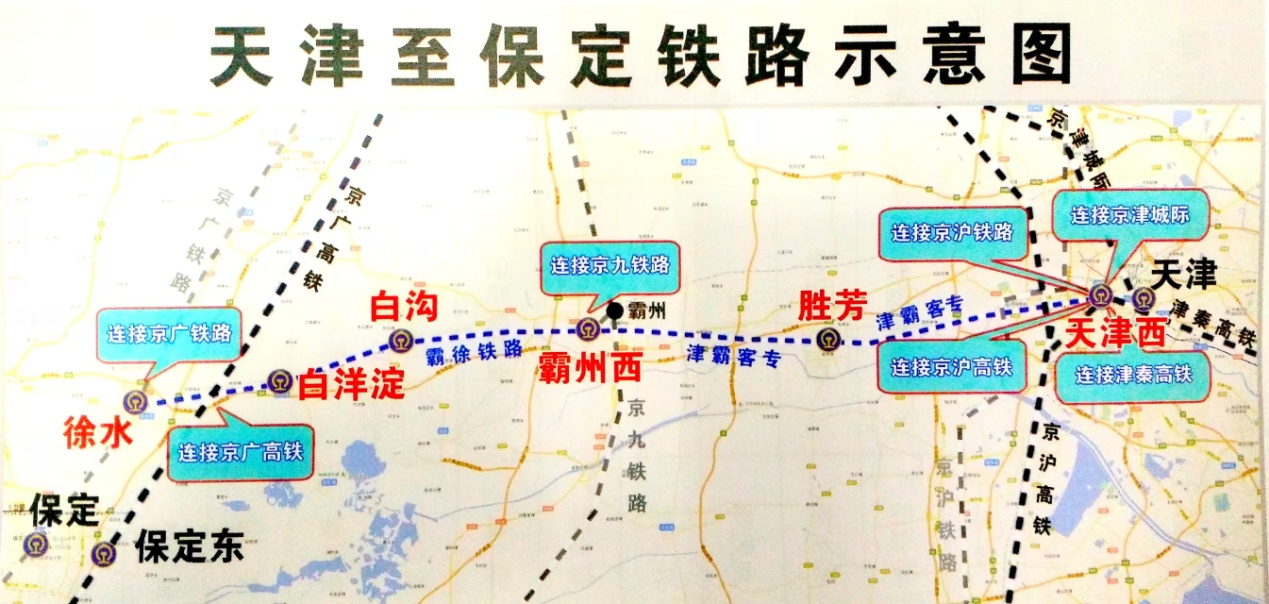
Core Viewpoint - The Tianjin-Baoding Railway has significantly transformed the transportation landscape in the Beijing-Tianjin-Hebei region over the past decade, serving as a crucial support for coordinated development in the area [1][2] Group 1: Historical Impact - The Tianjin-Baoding Railway officially opened on December 28, 2015, marking the beginning of a new chapter in the coordinated development of the Beijing-Tianjin-Hebei region [1] - It eliminated the historical lack of direct train service between Tianjin and Baoding, reducing travel time from 2.5 hours to under 1 hour, thus facilitating a "one-hour city" era for Baoding, Beijing, and Tianjin [1] - The railway broke regional transportation bottlenecks, allowing for direct travel between North China, Central China, Northwest China, and Northeast China without the need for transfers in Beijing [1] Group 2: Growth in Capacity and Usage - Over the past ten years, the railway's capacity has seen a dramatic increase, with the number of train pairs rising from 4.5 to 48, a growth of 970% [1] - Daily passenger volume increased from fewer than 2,000 to 4,400, with a peak of 60,200 passengers in a single day, totaling nearly 100 million passengers over the decade [1] - The operational reach has expanded from local cities to major cities nationwide, becoming a strong engine for regional "urbanization" and enhancing the flow of people, goods, and information [1] Group 3: Regional Connectivity and Development - The Tianjin West Station has become a key transfer hub due to the railway, with over 30 million passengers passing through in ten years, serving as a core transfer station for regional personnel movement [2] - The connection between the Tianjin-Baoding Railway and the Beijing-Guangzhou High-Speed Railway has made Baoding East Station the closest high-speed rail hub to Beijing, injecting new vitality into the city's development [2] - The establishment of the Xiong'an New Area has seen the Tianjin-Baoding Railway play a pivotal role, with significant increases in passenger traffic at Bai Gou Station and Bai Yangdian Station, with growth rates of 400% and 719% respectively from 2016 to 2025 [2] Group 4: Future Prospects - The Tianjin-Baoding Railway is not just a transportation line but a vital witness and promoter of coordinated development in the Beijing-Tianjin-Hebei region [2] - As coordinated development progresses, the railway is expected to continue leveraging its unique advantages to inject momentum into regional collaboration [2]
近亿人次乐享出行便利
Xin Lang Cai Jing· 2025-12-28 21:31
Core Insights - The Tianjin-Baoding Railway has celebrated its 10th anniversary, significantly improving transportation between Tianjin and Baoding, reducing travel times and enhancing connectivity within the Beijing-Tianjin-Hebei region [1][2] Group 1: Operational Achievements - Since its opening on December 28, 2015, the Tianjin-Baoding Railway has transported a total of 98.073 million passengers by November 30, 2025 [1] - The number of train services has increased from 4.5 pairs at the start to 48 pairs currently, marking a 970% increase [2] - Daily passenger volume at Tianjin West Station has risen from 2,000 to nearly 40,000, with peak days exceeding 60,000 [2] Group 2: Economic Impact - The railway has facilitated direct travel between Tianjin and Baoding, enhancing efficiency for business operations and personal travel [3] - Local businesses, such as the Tianjin-based snack chain and box manufacturers in Baoding, have reported significant growth in operations due to improved access to transportation [3] - The railway supports the integration of industries and promotes economic development in the region [3] Group 3: Future Developments - The Tianjin transportation authority plans to enhance the rail network further, focusing on projects like the modernization of commuting efficiency and the construction of new high-speed rail lines [4] - Initiatives are underway to address commuting challenges, including station upgrades and increased service capacity [4] - The overall goal is to improve the quality and efficiency of transportation in the Beijing-Tianjin-Hebei area, supporting deeper regional integration [4]
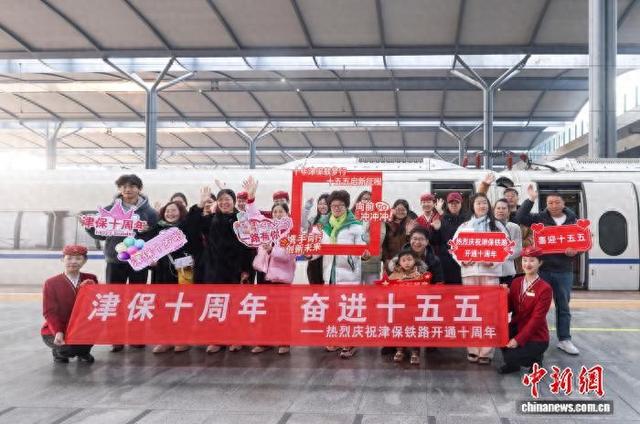
津保铁路开通运营十周年
Xin Lang Cai Jing· 2025-12-28 12:13
Core Viewpoint - The Tianjin-Baoding Railway has celebrated its 10th anniversary, marking significant growth in train services and passenger volume, contributing to the integration of the Beijing-Tianjin-Hebei region [2][5][11]. Group 1: Railway Operations - The number of train pairs has increased from 4.5 at the beginning to 48 currently [2][5][11]. - The average daily passenger volume has risen from less than 2,000 to 4,400 [2][5][11]. Group 2: Passenger Statistics - By November 30, 2025, the total number of passengers transported by the railway is expected to reach 98.073 million [2][5][11]. - The railway continues to play a vital role in supporting the integration process of the Beijing-Tianjin-Hebei region [2][5][11].

津保铁路开通十周年:“轨道上的京津冀”跑出“加速度”
Xin Lang Cai Jing· 2025-12-28 11:10
Core Viewpoint - The article highlights the significant impact of the Tianjin-Baoding (津保) railway on the transportation and lifestyle changes in the Beijing-Tianjin-Hebei region over the past ten years since its opening in December 2015 [1][2]. Group 1: Development and Impact - The Tianjin-Baoding railway, part of the Beijing-Tianjin-Hebei intercity railway network, has reduced travel time between Tianjin and Baoding from 2 hours and 36 minutes to approximately 1 hour, facilitating a "one-hour traffic circle" between Beijing, Tianjin, and Baoding [1][2]. - The railway has evolved from primarily serving tourism to becoming a vital commuting option for many, with a significant increase in daily passenger flow [1][2]. - The daily passenger volume at Baiyangdian Station has surged from about 100 passengers at the start to around 4,000 currently, with peak periods reaching over 6,500 passengers [3]. Group 2: Expansion and Connectivity - The number of train pairs operating on the Tianjin-Baoding railway has increased from 4.5 pairs at its inception to 48 pairs today, with routes extending to major cities such as Shijiazhuang, Zhengzhou, and even Hong Kong [3]. - The cumulative passenger count on the railway is projected to reach approximately 98.07 million by November 30, 2025, indicating robust growth in usage [3]. - The railway's connectivity has been enhanced by the opening of additional high-speed rail lines, contributing to the formation of a comprehensive transportation network in the Beijing-Tianjin-Hebei region [3].

津保铁路开通运行10周年 赋能京津冀高质量发展
Zhong Guo Jing Ying Bao· 2025-12-27 16:05
Core Viewpoint - The Tianjin-Baoding Railway has significantly transformed regional transportation and facilitated the collaborative development of the Beijing-Tianjin-Hebei area over the past decade, marking a milestone in the region's integration and connectivity [2][3]. Group 1: Operational Growth - The railway's capacity has increased dramatically, with the number of trains rising from 4.5 pairs at the start to 48 pairs currently, representing a 970% increase [2]. - Daily passenger volume has grown from under 2,000 to 4,400, a 120% increase, with a peak of 60,200 passengers on October 3, 2025, setting a new record [2]. - By November 30, 2025, the total number of passengers transported reached 98.073 million, nearing 100 million, supporting the alleviation of non-capital functions and enhancing public travel convenience [2]. Group 2: Regional Impact - The opening of the Tianjin-Baoding Railway is a key milestone in the Beijing-Tianjin-Hebei collaborative development plan initiated in 2015, facilitating seamless connections with existing rail networks [3]. - Travel times have been significantly reduced, with journeys from Tianjin to Baoding cut from 2.5 hours to under 1 hour, and from Tianjin to Shijiazhuang reduced from 3 hours to 1.5 hours [3]. - The railway has played a crucial role in the emergence of the Xiong'an New Area, contributing to the deepening of collaborative development in the region [3][4]. Group 3: Future Prospects - The Tianjin-Baoding Railway is positioned to continue serving as a transportation hub, promoting new achievements and breakthroughs in the collaborative development of the Beijing-Tianjin-Hebei region in the new era [4].
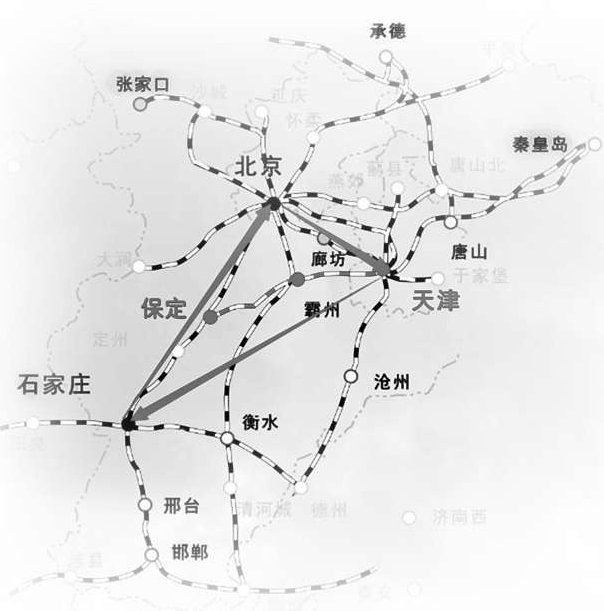
一条津保线盘活“轨道金三角”
Bei Jing Wan Bao· 2025-12-26 07:20
Core Insights - The opening of the Tianjin-Baoding Railway has significantly improved transportation efficiency in the Beijing-Tianjin-Hebei region, creating a "golden triangle" of rail connectivity between Beijing, Tianjin, and Shijiazhuang [1][3][10] - The railway has facilitated nearly 100 million passenger transfers that previously required a detour through Beijing, thus alleviating traffic pressure on the capital [8][10] - The railway has enhanced commercial activities and tourism in the region, with daily train operations increasing from 4.5 pairs to 48 pairs, and average daily passenger volume rising from under 2,000 to 4,400 [10][11] Transportation Efficiency - The Tianjin to Baoding travel time has been reduced from 2.5 hours to 1 hour, while the Tianjin to Shijiazhuang journey has been cut from 3 hours to 1.5 hours [10] - The railway has expanded its operational reach, connecting to major cities such as Shenyang, Dalian, and Wuhan, thus broadening its impact on regional mobility [10] Economic Impact - The Baoding area, known for its bag production, has seen a surge in business due to the railway, with annual production reaching approximately 1 billion bags and a market share of 30% in China [7][11] - The opening of the railway has led to increased foreign procurement activities, with international buyers now able to travel directly from Beijing to Baoding for business [7][8] Passenger Statistics - As of November 30, 2025, the railway has transported a total of 98.07 million passengers, with significant traffic recorded at Baigou Station and Baiyangdian Station [11] - The passenger demographic includes family visitors, business professionals, and students, indicating a diverse user base benefiting from the railway's services [11]