津八件

Search documents
津味特产“载”着祝福奔向四方
Xin Lang Cai Jing· 2026-02-23 21:43
Group 1 - The article highlights the surge in demand for Tianjin's local specialties during the Spring Festival, with tourists and returning residents eager to purchase unique cultural items and food products to take home [1] - Young visitors are particularly interested in portable cultural items, such as small figurines and traditional woodblock prints, which serve as meaningful souvenirs from Tianjin [2] - The trend of purchasing food items, including traditional snacks and health-conscious options, is prominent, with many customers prioritizing gifts that reflect both taste and health [3] Group 2 - The popularity of traditional snacks like "Tianjin Eight Delicacies" and various types of rice balls indicates a strong connection between local cuisine and cultural identity among visitors [3] - Tourists express a desire to bring back unique Tianjin flavors, with some even preparing special storage for these items to ensure they can share them with family and friends [3] - The overall experience of visiting Tianjin during the holiday season is characterized by a blend of cultural exploration and culinary enjoyment, leading to a memorable trip for many [3]
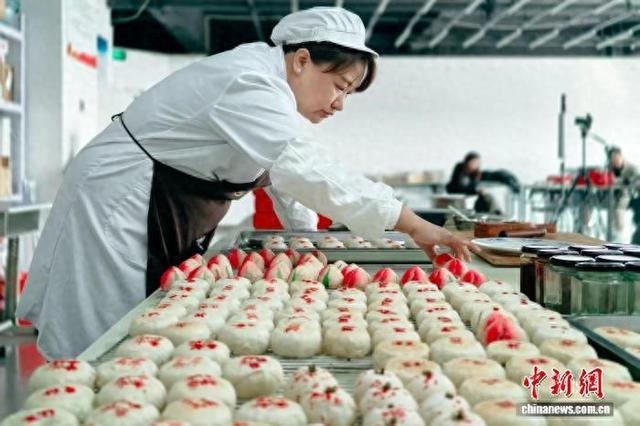
(新春走基层)丙午马年“姑爷节”:天津点心匣子守传统更添新意
Xin Lang Cai Jing· 2026-02-18 11:06
Core Viewpoint - The article highlights the significance of traditional customs in Tianjin during the Lunar New Year, particularly focusing on the innovation in traditional snacks by Wang Hongmei, the sixth-generation inheritor of the traditional mooncake-making technique, which adds new meaning to the cultural heritage [1][3]. Group 1: Cultural Significance - The act of returning to one's maternal home during the Lunar New Year is a common custom in northern China, with the "snack box" being a key element of this tradition [1]. - Wang Hongmei has introduced innovative designs for traditional snacks, such as chess-shaped pastries and "prosperity" themed treats, which have become popular gifts for visiting one's maternal family [1][3]. Group 2: Traditional Techniques - Wang Hongmei emphasizes the importance of maintaining traditional techniques in making pastries, ensuring that each piece is crafted with care and skill, preserving the unique "warm pastry" technique that is at risk of being lost [5]. - The snacks not only represent culinary art but also serve as a medium for expressing familial love and respect, embodying the essence of reunion during the festive season [5][7]. Group 3: Community and Heritage - The pastries created by Wang Hongmei carry the cultural memory and flavors of Tianjin, and she has taken these traditional snacks to international platforms, such as the Davos Forum, to showcase Chinese culinary heritage [7]. - Wang has also established a vocational training school to pass on these traditional skills to a new generation, ensuring the continuity of this cultural practice [7].