浓香铁观音

Search documents
八马茶业(06980):公司事件点评报告:高端中国茶第一股,“千城万店”加速扩张
Huaxin Securities· 2025-10-29 15:27
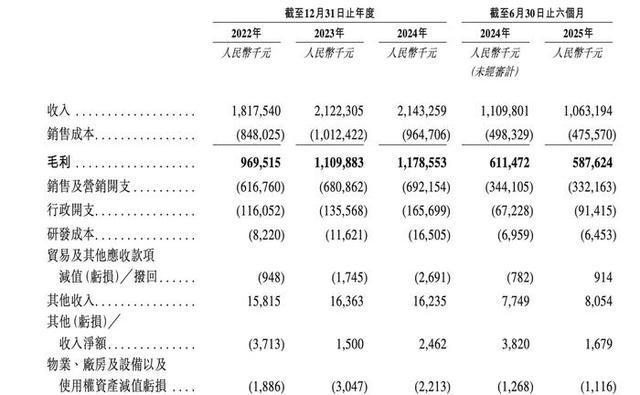
Investment Rating - The report assigns a "Buy" rating for the company, marking its first coverage [10]. Core Insights - Baima Tea is recognized as the largest high-end tea supplier in China, with a strong brand presence and continuous enhancement of brand equity [2]. - The company's revenue has shown steady growth, with a forecasted increase in earnings per share (EPS) from 2.64 to 3.69 CNY from 2025 to 2027 [10]. - The company is expanding its offline presence significantly, with plans to add 1,500 new stores in the next 3-5 years, focusing on lower-tier cities [9]. Summary by Sections Company Overview - Baima Tea is a well-known supplier of various tea products in China, including high-end Pu'er tea and other tea-related products, with its brand "Baima" recognized as a famous trademark [2]. Financial Performance - Revenue is projected to grow from 18.18 billion CNY in 2022 to 21.43 billion CNY in 2024, with net profit increasing from 1.66 billion CNY to 2.24 billion CNY during the same period [3]. - In the first half of 2025, revenue decreased by 4% to 10.63 billion CNY, primarily due to a reduction in offline stores [3]. Product Sales - In the first half of 2025, tea sales saw a slight decline of 4%, while tea utensils and tea food experienced growth of 1% and a decline of 20%, respectively [4]. - The average price of Baima tea increased from 643 CNY/kg in 2024 to 667 CNY/kg in 2025 [4]. Market Strategy - The company is enhancing its online sales through live streaming, which has contributed to an increase in online revenue share to 35.49% in the first half of 2025 [5]. - As of October 2025, the number of offline stores reached 3,730, with a net increase of 226 stores since the beginning of the year [9]. Earnings Forecast - The forecast for EPS is 2.64 CNY for 2025, with a projected PE ratio of 33, indicating a solid market position [10]. - Revenue is expected to grow steadily, with a projected increase to 2,598 million CNY by 2026 [12].
超半数产品“贴牌”,3年砸23亿元营销,“中国最大高端茶企”今起招股“高端化”存疑
Zhong Guo Neng Yuan Wang· 2025-10-21 07:57
Core Viewpoint - Baima Tea officially launched its IPO in Hong Kong, marking its fourth attempt to enter the capital market after over a decade. The company aims to raise funds through the issuance of 9 million H-shares, with a maximum price of HKD 50 per share, highlighting its position as a leading player in China's high-end tea market [1][8]. Financial Performance - Revenue increased from RMB 1.82 billion in 2022 to RMB 2.14 billion in 2024, with a net profit growth from RMB 166 million to RMB 224 million, reflecting a compound annual growth rate of 16.16% [2][3]. - Sales and marketing expenses rose from RMB 616.76 million in 2022 to RMB 692.15 million in 2024, with a total of RMB 2.32 billion spent over three and a half years, consistently accounting for over 30% of revenue [3][5]. Marketing Strategy - The company emphasizes its high-end positioning, yet its marketing expenditures significantly outweigh its research and development costs, which totaled only RMB 42.8 million over three and a half years [1][14]. - Advertising and promotional expenses increased by 32% from RMB 209 million in 2022 to RMB 276 million in 2024, primarily for KOL live streaming and offline events [3][5]. Product Pricing and Sales Channels - The pricing of Baima Tea's flagship products on various platforms often falls below high-end standards, indicating a disconnect between marketing efforts and actual product positioning [4][10]. - Over 30% of revenue is generated from low to mid-range products, suggesting that high marketing investments have not effectively driven sales of premium offerings [5][10]. Inventory and Operational Efficiency - As of June 2025, the company's inventory reached RMB 444 million, with a turnover period of 168 days, raising concerns about potential asset impairment if sales do not meet expectations [5][9]. Regulatory and Compliance Issues - The company has faced scrutiny regarding the high ratio of marketing expenses to revenue, with regulatory bodies questioning the necessity and effectiveness of its marketing strategies [8][9]. - Previous attempts to go public have been hindered by concerns over related-party transactions and the overall efficiency of its marketing expenditures [8][9]. Production and Supply Chain - Baima Tea operates two production bases and relies heavily on a franchise model, with over half of its 3,273 stores being franchises, contributing significantly to its revenue [12][14]. - The company has a high reliance on third-party products, with over 50% of sales coming from private label products, indicating a strategy focused on outsourcing rather than in-house production [13][14].