
海底捞夜宵主题店

Search documents
餐饮商家,集体上演“擦边餐”
虎嗅APP· 2025-09-19 11:10
Core Viewpoint - The article discusses the emerging trend of combining dining with performance in the restaurant industry, highlighting how this "borderline economy" is being rapidly adopted to attract younger consumers and drive foot traffic in a challenging market environment [4][10]. Group 1: Dining and Performance Integration - The integration of dining and performance is becoming a popular trend, with restaurants like Haidilao introducing themed night venues featuring DJs and interactive performances to enhance customer experience [6][8]. - The "night snack" theme introduced by Haidilao has generated significant social media buzz, with over 10 million views on Xiaohongshu and 9 million on Douyin, indicating strong consumer interest [7][10]. - Other restaurants are also adopting similar strategies, such as introducing live performances and themed service staff to create a unique dining atmosphere [4][8]. Group 2: Market Challenges and Consumer Behavior - The restaurant industry is facing significant challenges, with major brands like Nayuki and Xiaobawang reporting substantial losses in 2024, highlighting the need for innovative customer engagement strategies [10][12]. - Younger consumers, particularly those born in the 1990s and 2000s, are seeking more than just food; they desire social interaction and entertainment, which has led to the rise of "borderline" performances in dining settings [10][11]. - The perception of value has shifted, with consumers willing to pay for experiences that combine dining with entertainment, as seen in the popularity of Haidilao's new offerings [10][11]. Group 3: Risks and Sustainability - The article warns that while "borderline" dining can generate short-term interest, it may not be sustainable in the long run, as evidenced by the closure of restaurants like Staneemeehoi and Hooters due to changing consumer preferences and societal values [13][14]. - The reliance on provocative marketing strategies can backfire, as seen in the backlash against establishments that objectify staff, indicating a need for restaurants to balance entertainment with respect for social norms [14][15]. - Ultimately, the success of performance dining hinges on maintaining food quality and service standards, as consumers prioritize taste and value over mere spectacle [21][22].


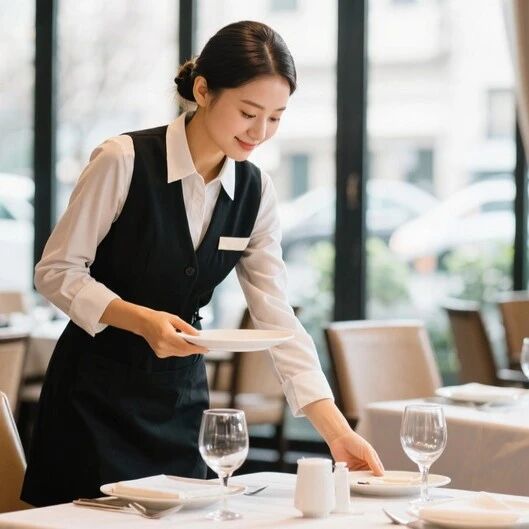
餐饮商家,集体上演“擦边餐”
投中网· 2025-09-19 02:37
Core Viewpoint - The article discusses the rise of "borderline economy" in the restaurant industry, where dining experiences are increasingly combined with entertainment elements to attract younger consumers, reflecting a shift in consumer preferences towards social and interactive dining experiences [5][10]. Summary by Sections Emergence of "Borderline Economy" - The restaurant industry is witnessing a trend where dining is paired with performances, as seen in establishments like Haidilao, which has introduced night-themed dining experiences featuring DJs and interactive performances to draw in customers [5][7]. - This shift is a response to the challenges of attracting young consumers, as traditional food offerings alone are no longer sufficient [5][9]. Consumer Experience and Engagement - Young consumers, particularly those born in the 1990s and 2000s, are seeking not just food but a comprehensive experience that includes social interaction and entertainment [9][10]. - The popularity of Haidilao's night-themed restaurants has led to significant social media engagement, with over 10 million views on Xiaohongshu and 9 million on Douyin [7]. Historical Context and Evolution - The combination of dining and entertainment is not new, with historical precedents in ancient marketplaces and tea houses, but current implementations are more aggressive and visually oriented [8]. - The article highlights that while entertainment can enhance the dining experience, it cannot replace the fundamental quality of food [12][19]. Risks and Challenges - The article points out that while the "borderline" approach may generate short-term interest, it poses risks for long-term sustainability, as seen in the decline of restaurants like Staneemeehoi and Hooters, which relied heavily on provocative marketing strategies [12][13]. - Regulatory scrutiny is increasing, with establishments facing penalties for inappropriate entertainment content, indicating a potential backlash against overly provocative dining experiences [12][14]. Alternative Approaches - A new trend of culturally rich performances is emerging, where dining experiences incorporate local traditions and culinary practices, providing a more authentic and sustainable model for attracting customers [17][19]. - The article emphasizes that successful "performance dining" should enhance rather than overshadow the quality of food, ensuring that the core dining experience remains appealing [20].
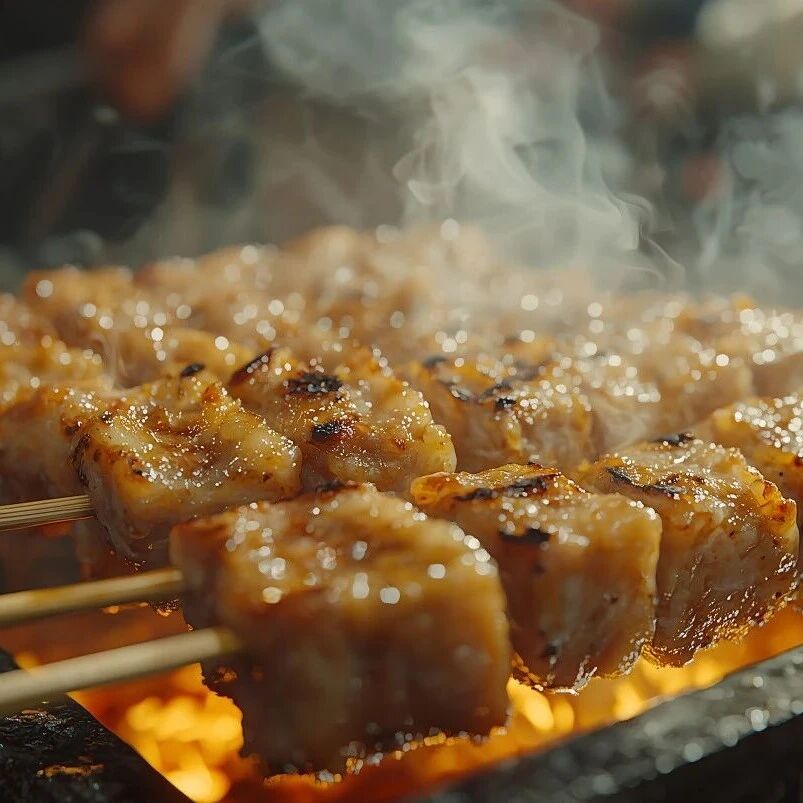
餐饮商家,集体上演“擦边餐”
Xin Lang Cai Jing· 2025-09-18 04:00
Core Insights - The article discusses the emerging trend of combining dining with entertainment in the restaurant industry, particularly focusing on the "borderline economy" where restaurants incorporate performances to attract customers [1][6][8] - The shift in consumer preferences, especially among younger generations, emphasizes the need for a comprehensive experience that includes social interaction and entertainment, rather than just food [4][12] Industry Trends - The integration of performance elements in dining experiences is rapidly being adopted across various restaurant brands, such as Hai Di Lao and others, to enhance customer engagement and drive foot traffic [1][2][3] - Hai Di Lao has launched a "night snack" theme store that has gained significant attention, with over 10 million views on Xiaohongshu and 9 million on Douyin, leading to the opening of nearly 30 such stores in major cities [2][3] Financial Performance - The restaurant industry is facing significant financial pressures, with several well-known brands reporting losses in 2024, including Nayuki's Tea with a net loss of 919 million yuan and Xiaobing Xiaobing with a revenue of 4.755 billion yuan and a total loss of 401 million yuan [3][6] Consumer Behavior - The "experience generation" of consumers, particularly those born in the 1990s and 2000s, seeks not only food but also social and entertainment experiences, driving restaurants to innovate beyond traditional offerings [4][5] - The perception of value has shifted, with consumers willing to pay for multi-faceted experiences that combine dining with entertainment, as seen in the popularity of Hai Di Lao's new offerings [5][12] Risks and Challenges - The reliance on "borderline" entertainment strategies poses risks, as evidenced by the closure of previously successful establishments like Staneemeehoi in Bangkok and Hooters in the U.S., highlighting the potential pitfalls of such marketing approaches [6][7] - Regulatory scrutiny is increasing, with incidents of restaurants being penalized for inappropriate performances, indicating that the sustainability of the "borderline economy" is uncertain [7][8] Future Directions - A new trend of "positive performance" is emerging, where restaurants incorporate culturally rich and meaningful entertainment that enhances the dining experience without compromising food quality [9][10] - Successful models are focusing on integrating local culture and culinary traditions into performances, creating a more authentic and engaging dining experience [10][12]