海底捞小火锅

Search documents
海底捞搞小火锅,陪吃熊哭了
虎嗅APP· 2025-08-05 11:40
Core Viewpoint - The article discusses the competitive landscape of the single-person hot pot market, particularly focusing on Haidilao's new self-service hot pot brand, which aims to capture a segment of consumers looking for affordable dining options while facing challenges of differentiation and market saturation [4][22]. Group 1: Market Dynamics - The single-person hot pot market is experiencing significant competition, with various brands like Weilai, Longge, and Nongxiaoguo rapidly expanding their presence [4][22]. - As of 2025, the number of hot pot outlets in China is expected to exceed 50,000, accounting for one-tenth of the total hot pot market [22]. - The market is characterized by a price war, where brands compete primarily on cost rather than quality, leading to concerns about sustainability and consumer trust [25][29]. Group 2: Haidilao's Strategy - Haidilao has launched a self-service hot pot brand priced at 59.9 yuan per person, targeting budget-conscious consumers such as workers, students, and families [4][17]. - The new model is designed to be cost-effective, with smaller outlets and reduced staffing needs, allowing for a quicker service cycle and lower operational costs [18][19]. - Unlike previous sub-brands, this initiative is not solely driven by Haidilao's internal team but involves collaboration with an external team experienced in the hot pot sector [19][20]. Group 3: Challenges and Risks - The hot pot industry faces challenges related to price competition, operational efficiency, and franchise management, which can lead to inconsistent quality and brand dilution [25][27][28]. - The reliance on low prices as a competitive strategy poses risks, as it may not ensure customer loyalty or repeat business [24][31]. - The article suggests that if the future of the hot pot market hinges solely on price, it may lack long-term viability [31].


海底捞变“小”,年轻人正在把火锅吃成快餐
3 6 Ke· 2025-04-02 02:00
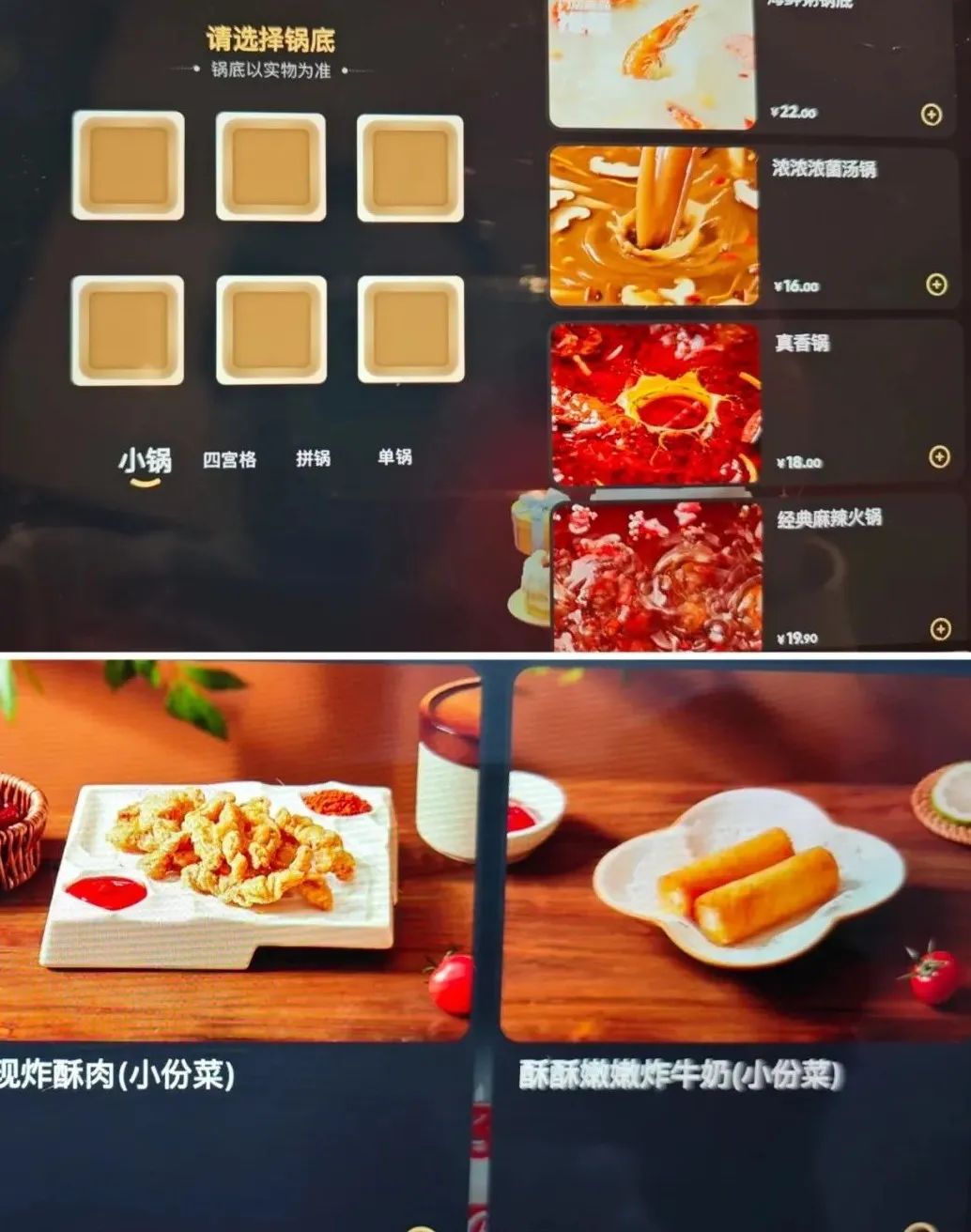
Core Insights - Haidilao has introduced smaller hot pots and smaller portion dishes in response to changing consumer preferences, particularly targeting the growing "one-person meal" trend among young consumers [1][8][9] - The introduction of these options aims to provide a more affordable dining experience while maintaining quality, aligning with the "value for money" mindset prevalent in today's economic climate [11][12] Group 1: Product Offerings - Haidilao has added small pot options with eight types of broth priced between 16 to 22 yuan, catering to individual diners [1][3] - The menu now includes 35 types of meat dishes, 18 types of vegetable dishes, and 3 types of snacks, with ongoing updates to the offerings [3][4] - The small portion dishes are available only during weekdays from 9 AM to 5 PM, and the rollout is still in a trial phase across select locations [6] Group 2: Consumer Trends - The rise of the "single economy" reflects a growing demand for individual dining experiences, with small hot pots fitting well into the fast-paced lifestyle of young consumers [9][11] - The trend of "value-for-money" dining is becoming more pronounced, as consumers seek affordable yet quality dining options amid economic uncertainties [11][12] - The fast-casual dining trend is evident, with many brands, including Haidilao, adapting their offerings to meet the needs of busy professionals [14][15] Group 3: Competitive Landscape - Haidilao's introduction of smaller offerings is part of a broader strategy to innovate and attract customers in a competitive market where dining frequency and consumer engagement are critical [15][20] - Other brands, such as Doulaofang, are also adapting by offering smaller hot pots and emphasizing fresh ingredients, indicating a shift in the industry towards catering to individual dining preferences [6][8] - The overall dining landscape is evolving, with brands like Taier and Zhangliang also making significant changes to enhance customer experience and increase visit frequency [18][20]