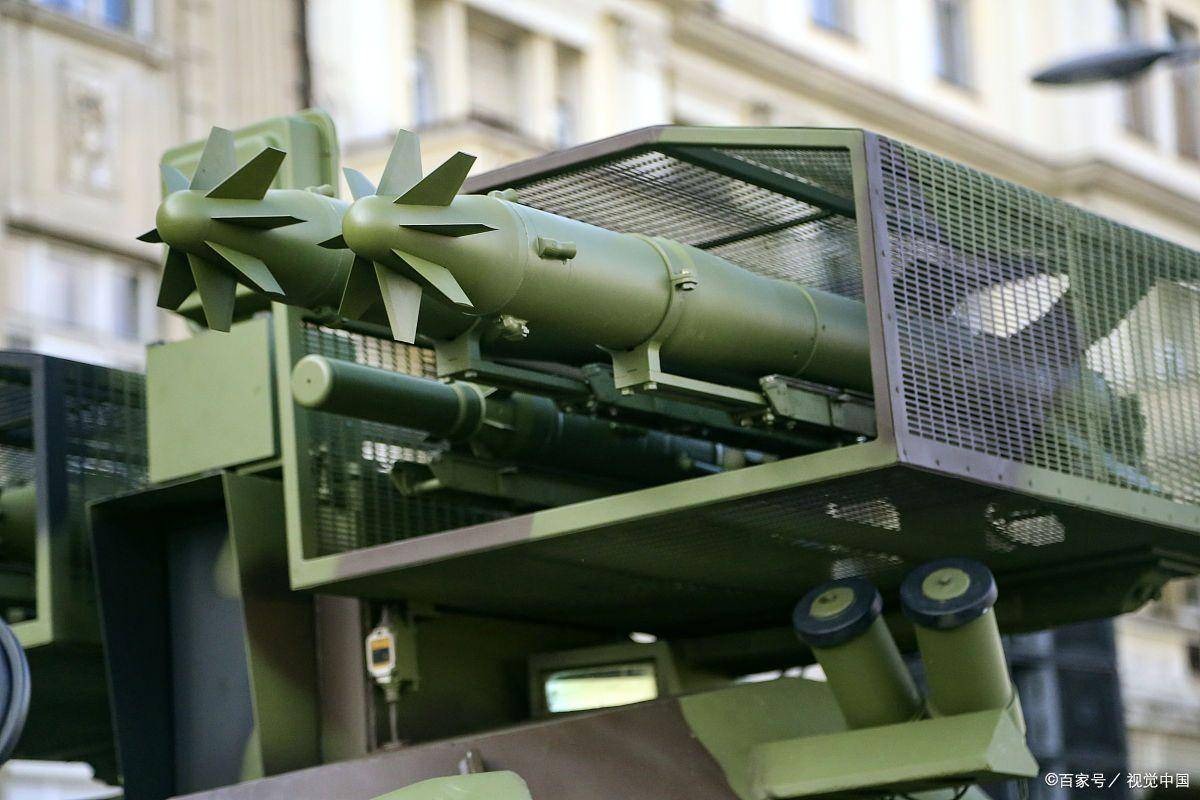
海马斯系统

Search documents
俄罗斯遭导弹袭击
Xin Lang Cai Jing· 2026-02-22 01:28
Group 1 - Ukrainian armed forces launched multiple "Flamingo" cruise missiles against a military factory in Votkinsk, Udmurt Republic, Russia, causing a fire at the facility [1][3] - The targeted military factory produces "Yars" intercontinental ballistic missiles, "Bulava" ballistic missiles for Borei-class strategic nuclear submarines, and missiles for the Iskander-M missile system [3] - Ukrainian forces also attacked a gas processing plant in Samara Oblast, which is said to provide energy support to the Russian military, resulting in a fire [3] Group 2 - A report from the head of the Udmurt Republic indicated that a facility was attacked by Ukrainian drones, resulting in 11 injuries according to local health authorities [3] - The Russian Ministry of Defense reported that over the past day, Russian forces targeted Ukrainian transportation and energy infrastructure, destroying a vehicle associated with the HIMARS system and multiple "Flamingo" missile launchers [3] - Russian air defense systems intercepted 5 "Flamingo" long-range missiles and 172 fixed-wing drones [3]

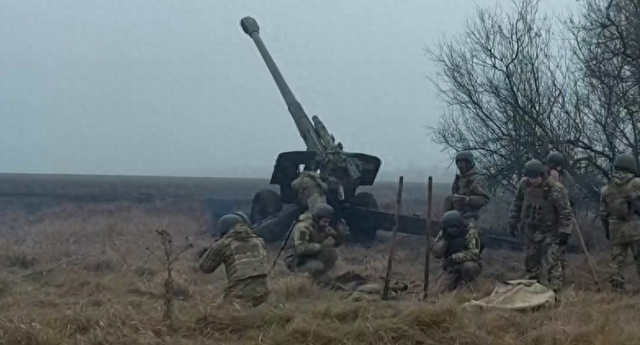
乌军袭击一生产弹道导弹的俄军工厂 俄称打击乌导弹发射装置
Xin Lang Cai Jing· 2026-02-21 17:15
Core Viewpoint - The article reports on recent military actions between Ukraine and Russia, highlighting Ukraine's attacks on Russian military facilities and Russia's retaliatory strikes on Ukrainian infrastructure [1]. Group 1: Ukrainian Military Actions - Ukrainian armed forces launched multiple "Flamingo" cruise missiles at a military factory in Votkinsk, Udmurt Republic, Russia, which produces "Yars" intercontinental ballistic missiles and "Bulava" missiles for strategic nuclear submarines [1]. - The Ukrainian military also targeted a gas processing plant in Samara, Russia, which is believed to provide energy support to the Russian military [1]. Group 2: Russian Military Response - The Russian government reported that a facility was attacked by Ukrainian drones, resulting in 11 injuries according to local medical authorities [1]. - In response, the Russian military conducted strikes on Ukrainian transportation and energy infrastructure, destroying a vehicle associated with the "HIMARS" system and multiple "Flamingo" missile launchers [1]. - Russian air defense systems intercepted 5 "Flamingo" long-range missiles and 172 fixed-wing drones [1].
台军计划将“海马斯”前推,打击范围覆盖福建、浙江等地解放军阵地,国防部回应
财联社· 2026-02-10 08:22
Group 1 - The article discusses recent military developments concerning Taiwan's defense strategy, particularly the deployment of the "HIMARS" system to Penghu and Dongyin, which could target Chinese military positions in Fujian and Zhejiang [3] - A Taiwanese scholar revealed that the defense department proposed a "preemptive strike" concept against the Chinese military, indicating an escalation in military rhetoric from Taiwan [3] - The spokesperson from the Ministry of National Defense, Jiang Bin, criticized the idea of preemptive strikes as unrealistic and emphasized the overwhelming strength of the Chinese military, warning that any provocation from Taiwan would lead to severe consequences [3]

乌军发动大规模炮击!
中国能源报· 2026-01-25 10:37
Group 1 - The Ukrainian military conducted a large-scale artillery attack on Belgorod, firing 24 shells, which resulted in damage to energy facilities and 9 vehicles [1] - The governor of Belgorod, Vyacheslav Gladkov, reported that the attack was the most intense, with preliminary reports indicating that the fire originated from the HIMARS system [1] - There were no reported casualties from the attack, but the energy infrastructure in Belgorod was significantly impacted [1]

军售变消耗战:中国掐住稀土命脉,美国军工成本飙升陷困境
Sou Hu Cai Jing· 2026-01-08 02:44
Core Viewpoint - The U.S. has made a significant arms sale to Taiwan, including 420 ATACMS missiles and 82 HIMARS systems, which is seen as a strategic move to increase pressure on China. In response, China has tightened its export controls on rare earths and critical components, impacting the U.S. military-industrial complex [2][4]. Group 1: U.S. Arms Sale and Strategic Implications - The U.S. arms sale includes ATACMS missiles with a range of approximately 300 kilometers, targeting airports, ports, and command centers, and HIMARS systems that are mobile and can launch quickly, enhancing long-range strike capabilities [2]. - The sale is perceived as a tactic to create a situation where China is under constant strategic pressure, potentially leading to a prolonged consumption of resources [2]. Group 2: China's Response and Economic Impact - China has not engaged in direct military confrontation but has instead focused on tightening the supply chain for U.S. military components by restricting exports of rare earths, precision processing equipment, and dual-use materials [4]. - The U.S. military-industrial sector is highly dependent on Chinese supply chains, particularly for components like rare earth magnets and radar systems, which are now facing supply disruptions and increased costs [4][6]. Group 3: U.S. Military-Industrial Sector Challenges - Although U.S. military companies have seen short-term stock price increases and favorable order data, they are experiencing significant internal cost pressures due to supply chain issues, with some companies reporting production line disruptions [6]. - The arms sale, while intended as a show of strength, has inadvertently led to a deterioration in the operational efficiency of the U.S. military-industrial complex, as costs rise and supply chains become strained [6].