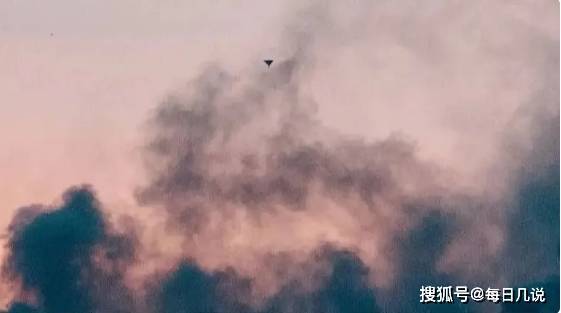
火烈鸟巡航导弹

Search documents
突发!俄罗斯,遭导弹袭击!
Xin Lang Cai Jing· 2026-02-22 14:33
此外,俄罗斯国防部当天通报称,过去一天内,俄军对乌军使用的交通和能源基础设施进行了打击。俄 军摧毁一辆与"海马斯"系统配套的运输装填车和多套"火烈鸟"导弹发射装置。防空系统拦截5枚"火烈 鸟"远程导弹和172架固定翼无人机。 当地时间22日,乌克兰基辅州军政管理局通报称,当天凌晨俄军在基辅州展开大规模导弹与无人机袭 击,截至目前已造成1人死亡、6人受伤。 乌克兰突然发动袭击。 据最新消息,乌克兰武装部队总参谋部表示,乌军导弹部队和炮兵使用多枚"火烈鸟"巡航导弹对俄罗斯 中部乌德穆尔特共和国沃特金斯克市一家军工厂发动袭击,造成该工厂起火。与此同时,俄军于22日凌 晨在基辅州展开大规模导弹与无人机袭击,造成多人伤亡。 另外,匈牙利方面的最新动作引发各方关注。当地时间2月22日,匈牙利总理欧尔班宣布,针对"友 谊"输油管道被乌克兰暂停过境输送一事,匈牙利将采取一切必要措施保障能源供应安全,并在原油运 输恢复前对乌克兰实施三项反制措施。 俄罗斯遭袭 2月22日,据央视新闻客户端,乌克兰武装部队总参谋部当地时间21日在社交媒体发布通报说,过去一 夜,乌军导弹部队和炮兵使用多枚"火烈鸟"巡航导弹对俄罗斯中部乌德穆尔特共和 ...
俄罗斯遭导弹袭击
Xin Lang Cai Jing· 2026-02-22 01:28
期行动画面(资料图) 通报称,该军工厂生产"亚尔斯"洲际弹道导弹、为"北风之神-A"级战略核潜艇配备的"布拉瓦"弹道导 弹,以及为"伊斯坎德尔-M"导弹系统等配备的弹道导弹。 此外,乌军还袭击了俄西南部萨马拉州一家天然气加工厂,造成该工厂起火。乌方称,该工厂为俄军提 供能源保障。 乌克兰武装部队总参谋部当地时间21日在社交媒体发布通报说,过去一夜,乌军导弹部队和炮兵使用多 枚"火烈鸟"巡航导弹对俄罗斯中部乌德穆尔特共和国沃特金斯克市一家军工厂发动袭击,造成该工厂起 火。 当天凌晨,俄罗斯乌德穆尔特共和国行政长官通报称,一处设施遭到乌克兰无人机攻击。根据当地医疗 卫生机构发布的消息,乌方无人机袭击造成11人受伤。 此外,俄罗斯国防部当天通报称,过去一天内,俄军对乌军使用的交通和能源基础设施进行了打击。俄 军摧毁一辆与"海马斯"系统配套的运输装填车和多套"火烈鸟"导弹发射装置。防空系统拦截5枚"火烈 鸟"远程导弹和172架固定翼无人机。 来源:央视新闻 △乌军近 ...

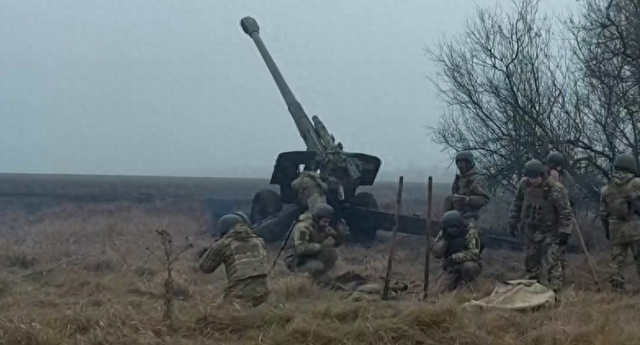
乌军称袭击一家生产弹道导弹的俄军工厂
Xin Lang Cai Jing· 2026-02-21 23:22
本文转自【新华网】; 新华社基辅2月21日电 乌克兰武装部队总参谋部21日在社交媒体发布通报说,过去一夜,乌军导弹部 队和炮兵使用多枚"火烈鸟"巡航导弹对俄罗斯中部乌德穆尔特共和国沃特金斯克市一家军工厂发动袭 击,造成该工厂起火。 通报称,该军工厂生产"亚尔斯"洲际弹道导弹、为"北风之神-A"级战略核潜艇配备的"布拉瓦"弹道导 弹,以及为"伊斯坎德尔-M"导弹系统等配备的弹道导弹。 此外,乌军还袭击了俄西南部萨马拉州一家天然气加工厂,造成该工厂起火。乌方称,该工厂为俄军提 供能源保障。 ...
乌军袭击一生产弹道导弹的俄军工厂,俄称打击乌导弹发射装置
Xin Lang Cai Jing· 2026-02-21 23:22
此外,乌军还袭击了俄西南部萨马拉州一家天然气加工厂,造成该工厂起火。乌方称,该工厂为俄军提 供能源保障。(央视新闻) 乌克兰武装部队总参谋部当地时间2月21日在社交媒体发布通报说,过去一夜,乌军导弹部队和炮兵使 用多枚"火烈鸟"巡航导弹对俄罗斯中部乌德穆尔特共和国沃特金斯克市一家军工厂发动袭击,造成该工 厂起火。 通报称,该军工厂生产"亚尔斯"洲际弹道导弹、为"北风之神-A"级战略核潜艇配备的"布拉瓦"弹道导 弹,以及为"伊斯坎德尔-M"导弹系统等配备的弹道导弹。 ...
乌军袭击一生产弹道导弹的俄军工厂 俄称打击乌导弹发射装置
Xin Lang Cai Jing· 2026-02-21 17:15
转自:智通财经 【乌军袭击一生产弹道导弹的俄军工厂 俄称打击乌导弹发射装置】智通财经2月22日电,据央视新闻, 乌克兰武装部队总参谋部当地时间21日在社交媒体发布通报说,过去一夜,乌军导弹部队和炮兵使用多 枚"火烈鸟"巡航导弹对俄罗斯中部乌德穆尔特共和国沃特金斯克市一家军工厂发动袭击,造成该工厂起 火。通报称,该军工厂生产"亚尔斯"洲际弹道导弹、为"北风之神-A"级战略核潜艇配备的"布拉瓦"弹道 导弹,以及为"伊斯坎德尔-M"导弹系统等配备的弹道导弹。此外,乌军还袭击了俄西南部萨马拉州一 家天然气加工厂,造成该工厂起火。乌方称,该工厂为俄军提供能源保障。当天凌晨,俄罗斯乌德穆尔 特共和国行政长官通报称,一处设施遭到乌克兰无人机攻击。根据当地医疗卫生机构发布的消息,乌方 无人机袭击造成11人受伤。此外,俄罗斯国防部当天通报称,过去一天内,俄军对乌军使用的交通和能 源基础设施进行了打击。俄军摧毁一辆与"海马斯"系统配套的运输装填车和多套"火烈鸟"导弹发射装 置。防空系统拦截5枚"火烈鸟"远程导弹和172架固定翼无人机。 ...
莫斯科发电厂突发爆炸!俄罗斯能源收入降至六年最低
Sou Hu Cai Jing· 2026-02-13 13:11
乌克兰对俄罗斯炼油厂的打击,已迫使对方的能源收入降至六年来的最低水平。 话音未落,莫斯科的发电厂也突发了爆炸。 据俄媒Mash等频道披露,当地时间2月13日夜间,莫斯科的一座火力发电厂被点燃。 从目击者拍摄的视频看,电厂周围已飘起了白烟,并伴有四射的火光。 周围也能听到明显的爆炸声,目前俄方尚未对此发表回应声明。发电厂的位置与火灾原因还有待后续披 露。 不排除是乌克兰的导弹无人机又光顾了这里,几天来他们已经攻击了多个俄罗斯的能源目标。 最受关注的就是伏尔加格勒地区,乌军连续三天展开空袭,相继命中炼油厂和大型军火库。 根据路透社的最新报道,伏尔加格勒炼油厂在遭到无人机袭击后已经停产。 而乌克兰用"火烈鸟"巡航导弹攻击科特卢班炮兵总局的画面也被曝光。 此役乌军共动用了6枚"火烈鸟",视频中能够发现导弹正快速刺破苍穹,在空中划出完美的弧线奔向俄 军的弹药库。 与此同时,卫星图像还披露了乌赫塔炼油厂的遇袭状况,它关键的AVT原油蒸馏装置遭受了重创。 预计这座距离乌克兰2000公里的油厂也会陷入暂停运营的状态。如今乌军已能成熟地发起超远距离的打 击。 这一系列的行动正导致俄罗斯的能源系统面临着前所未有的危机,最典型的就 ...
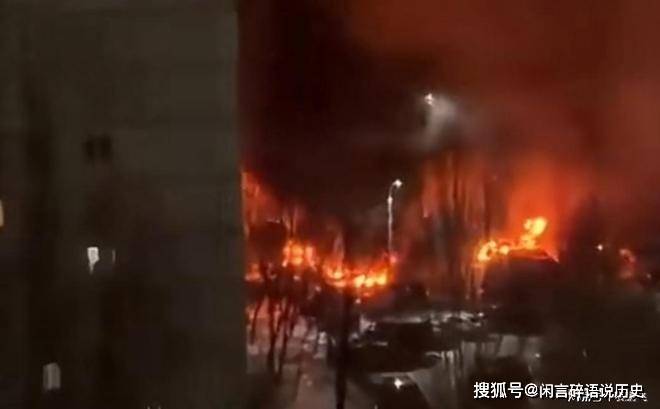
狂轰一夜!乌军掀翻俄能源饭碗,油价36美元暴跌,普京底牌碎了?
Sou Hu Cai Jing· 2025-11-19 12:12
Group 1 - The conflict between Russia and Ukraine has evolved, with Ukraine now effectively countering Russian advances and targeting critical vulnerabilities in Russia's economy, particularly its energy sector [1][3] - Ukraine's recent attacks on Russian energy infrastructure have significantly impacted Russia's fossil fuel export revenues, which fell to a daily average of $609 million in October, a 4% decrease from September [3][5] - The price of Russian Urals crude oil has plummeted to $36 per barrel, which is $23.51 below the international benchmark, making it unprofitable for Russia to sell [5][7] Group 2 - International support for Ukraine has been crucial, with grassroots fundraising efforts, such as a Czech crowdfunding campaign that raised $75,670 in 48 hours, demonstrating widespread public engagement [9][11] - Significant military aid has been provided by various countries, including a 10-year defense agreement with France for 100 Rafale fighter jets, enhancing Ukraine's air force capabilities [13][15] - The combination of international support and improved military resources has emboldened Ukrainian forces, allowing them to successfully target and destroy key Russian military assets [15] Group 3 - Russia faces increasing internal economic pressures, with corporate debt burdens reaching critical levels and interest expenses consuming 39% of pre-tax profits as of September [16][18] - Public discontent is rising in Russia due to proposed tax increases, leading to protests against high taxes and economic hardships [19][21] - Morale within the Russian military is declining, with soldiers questioning the war's purpose and some even opting to surrender rather than return to combat [21][23] Group 4 - The ongoing conflict highlights that success is determined not by sheer numbers but by economic resilience, public support, and the ability to secure international assistance [25]

俄罗斯发动大规模袭击:能源危机加剧?欧盟紧急援助解析
Sou Hu Cai Jing· 2025-08-20 02:52
Group 1: Military Tactics and Technology - The recent Russian drone and missile attacks on Ukraine represent a tactical upgrade from "precision strikes" to "systematic destruction," targeting critical energy infrastructure [1][3] - The use of "tunnel infiltration" tactics by Russian forces in Donetsk has led to significant Ukrainian casualties, with daily losses exceeding 800 soldiers [4] - Russia's new "three-wave strike" model using drones has reduced Ukraine's interception rate from 60% to 38%, showcasing a technological arms race in drone warfare [6] Group 2: Energy Crisis and Economic Impact - The International Energy Agency (IEA) predicts that if the disruption of Ukrainian gas supplies continues until October, European gas storage levels could fall below 65%, leading to soaring energy prices [8] - The blockade of Odessa port has resulted in 2 million tons of grain being stranded, causing protests in countries reliant on Ukrainian grain [12] - The financial markets are reacting to the crisis, with Chicago wheat futures surging by 18%, marking the highest increase since the onset of the conflict [12] Group 3: International Relations and Strategic Responses - The European Union is facing strategic dilemmas as it initiates an "energy security emergency plan" amid conflicting interests among member states [7] - The U.S. is experiencing strategic shifts, with a mix of pressure on Ukraine and concessions to Russia, indicating a complex geopolitical landscape [11] - China's proposal for a UN-led energy facility protection zone reflects a neutral stance that could facilitate future negotiations [14]