海鲜集市火锅

Search documents
海鲜火锅,脱下“贵价”长袍
3 6 Ke· 2025-12-02 01:28
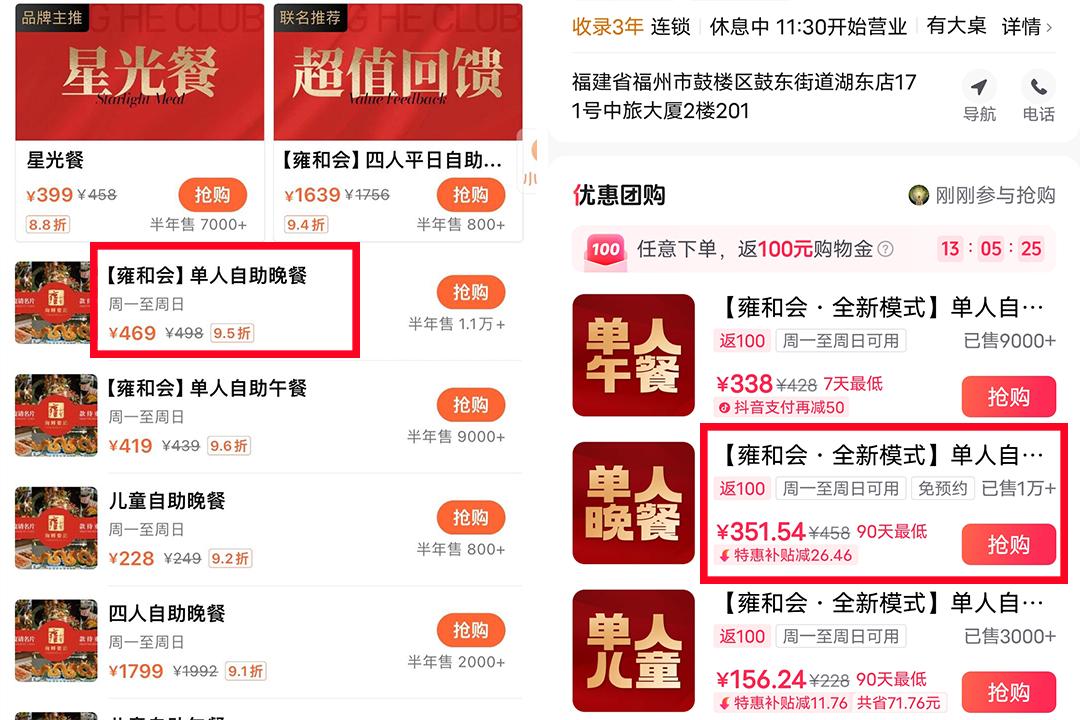
Core Insights - The high-end seafood hotpot market is experiencing a price reduction trend, moving away from its previous association with luxury pricing [1][3][5] - Brands that failed to adapt to changing consumer preferences are facing closures, while more affordable seafood hotpot options are gaining popularity [5][16] - The emergence of seafood market-style hotpot restaurants is reshaping the competitive landscape, focusing on value and consumer demand [8][12][20] Price Adjustments - The price of high-end seafood hotpot has been significantly reduced, with examples like Yonghehui's price dropping from 599 yuan to 388 yuan for dinner [1][3] - Other brands, such as Songlu and Haidilao, have also introduced lower-priced options, with average price reductions exceeding 30% [3][12] Market Dynamics - The closure of several high-end seafood hotpot brands indicates a market correction, with consumers increasingly favoring value-oriented dining experiences [5][16] - The seafood hotpot segment remains robust, with significant consumer interest reflected in social media engagement [7][8] Emerging Trends - Seafood market-style hotpot, exemplified by brands like Zhu Fugui, is gaining traction, with over 30 new locations opened in various provinces [8][10] - Traditional seafood hotpot brands are adapting by introducing market-style offerings, such as Hai Tian Sheng Yan's new budget-friendly locations [10][12] Consumer Behavior - Consumers are now more price-sensitive, with a shift towards valuing quality and transparency in seafood offerings [17][19] - The demand for a lively dining atmosphere and emotional value is driving the success of market-style hotpot restaurants [19][20] Industry Outlook - The transition from high-priced seafood hotpot to more affordable options reflects a broader trend in Chinese dining towards rational consumption [20] - Future success in the seafood hotpot market will depend on maintaining quality, transparency, and a focus on consumer needs [20]


从排队到闭店,高端海鲜火锅为何跌落“神坛”?
3 6 Ke· 2025-05-19 09:09
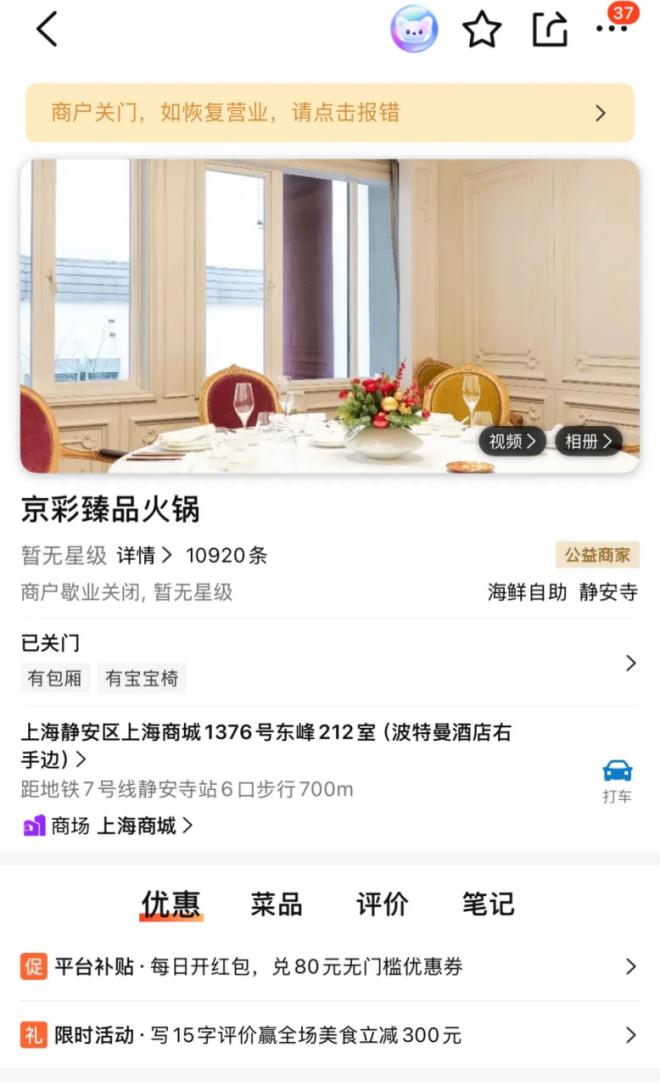
Core Viewpoint - The high-end seafood hotpot industry is facing a significant downturn, with numerous well-known brands closing their doors, revealing the underlying issues within the restaurant sector [2][10][26]. Group 1: Industry Challenges - The closure of high-end seafood restaurants reflects a broader trend of consumption downgrade, where consumers are reducing their spending and shifting preferences towards more affordable dining options [10][12]. - Data indicates that the proportion of restaurants in Shanghai with an average spending of over 500 yuan has decreased from 1.44% to 0.8% from May 2023 to 2024, with over 900 establishments closing [10]. - The high operational costs associated with large-scale high-end seafood restaurants, including high rent and rising ingredient prices, are significant burdens that contribute to their struggles [13][12]. Group 2: Specific Cases - The "京彩臻品" restaurant in Shanghai, which had a high-end positioning with a minimum recharge of 5000 yuan, closed down while owing hundreds of thousands in rent and leaving consumers with unrefunded balances exceeding 1 million yuan [6][11]. - "一哥澳门豆捞," another prominent brand, has also faced closures, reducing its presence in Guangzhou to just one location after multiple shutdowns [9][10]. - The "乾湖会" restaurant, known for its high-end offerings, also succumbed to the market pressures, announcing its closure due to business adjustments [9][12]. Group 3: Consumer Behavior - Despite the decline of high-end seafood hotpot, the demand for seafood remains strong, with a 16% increase in imported fresh seafood in the first eight months of 2023 compared to the previous year [16]. - The rise of more affordable seafood dining options, such as seafood market hotpots, has gained popularity, with significant engagement on social media platforms indicating a shift in consumer preferences [17][22]. Group 4: Future Trends - Innovative dining concepts like seafood market hotpots and porridge-based hotpots are emerging as viable alternatives, appealing to consumers with their affordability and engaging dining experiences [17][22][27]. - The success of these new models suggests that a focus on quality, transparency, and reasonable pricing may define the future of the seafood dining industry [26][27].