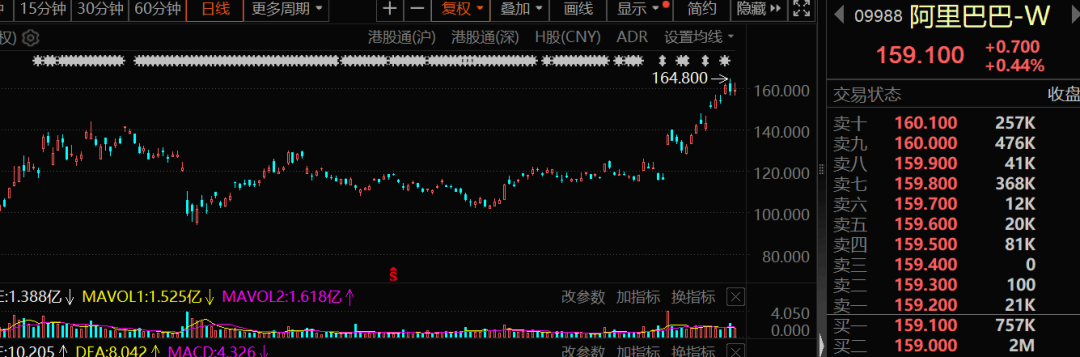
淘宝闪购到店团购业务

Search documents
黄金周到店消费升温:淘宝闪购入局,激活团购市场新增长极
Sou Hu Cai Jing· 2025-10-08 05:24
Core Insights - The launch of Taobao Flash Sale's in-store group buying service coincides with the National Day holiday, aiming to leverage the peak dining demand in Shanghai, Shenzhen, and Jiaxing [3][5] - The service integrates multiple platforms (Taobao Flash Sale, Alipay, and Gaode) to enhance user experience and accessibility, allowing users to discover and redeem offers seamlessly [3][10] Group Buying Business Performance - Initial performance during the National Day holiday shows a significant increase in order volume and user engagement, exceeding market expectations [5][16] - Popular restaurant packages sold out quickly, indicating strong acceptance among both local residents and tourists [5][12] User Experience and Market Adaptation - The service offers a diverse range of dining options tailored to the preferences of different cities, enhancing the overall user experience [6][8] - The integration of multiple platforms allows for a more efficient and user-friendly ordering process, catering to both planned and spontaneous dining decisions [10][17] Merchant Benefits - Merchants report an increase in new customer traffic, with many new patrons discovering restaurants through the promotional offers [12][18] - The multi-platform approach reduces operational costs for merchants, allowing them to reach a broader audience without the need for extensive marketing efforts [17][20] Market Potential and Future Outlook - The entry of Taobao Flash Sale into the in-store group buying market is seen as a significant opportunity for growth, providing a new channel for merchants and expanding consumer choices [17][18] - The strategy of starting with three representative cities allows for data-driven refinement of the service before broader rollout, with plans to include more local merchants in the future [20]


南向资金大举加仓!3万亿科技巨头,买爆了
Sou Hu Cai Jing· 2025-09-21 10:32
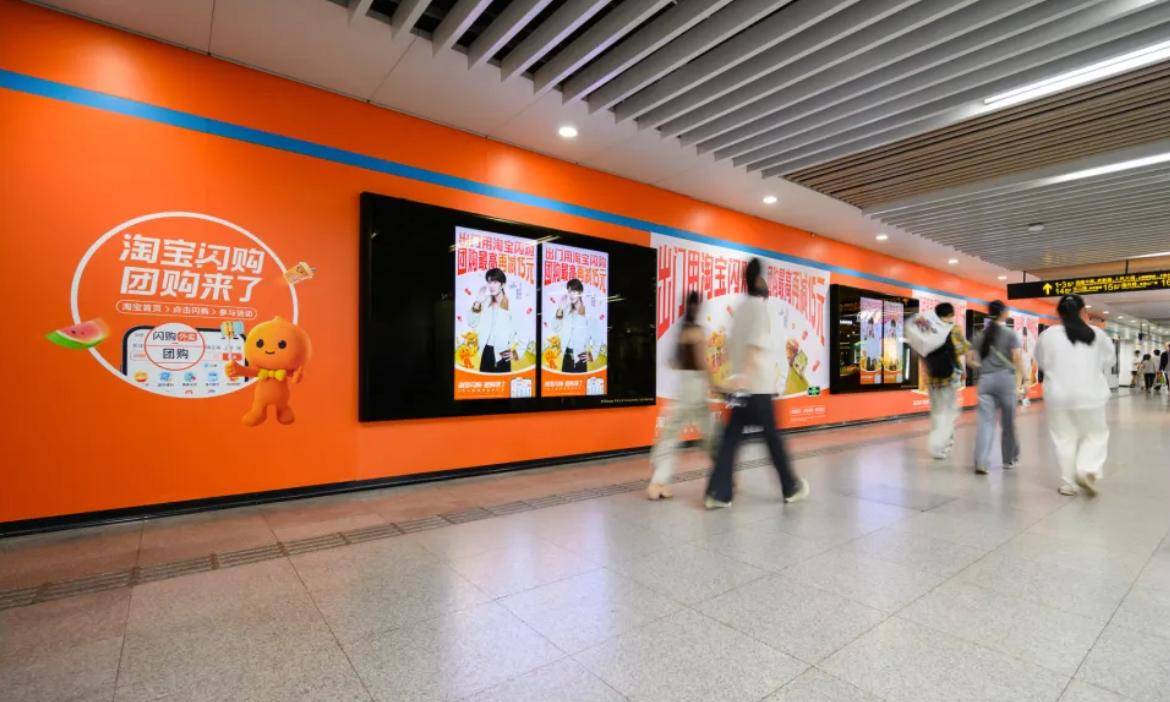
Group 1 - Southbound funds have recorded a net inflow for 18 consecutive weeks, with a total net inflow of 368.51 billion HKD this week, a decrease of 39.41% compared to the previous week [1][2] - The Hang Seng Index rose by 0.59%, the Hang Seng Tech Index increased by 5.09%, and the Hang Seng China Enterprises Index went up by 1.15% during the same period [1] - According to Guolian Securities, the Federal Reserve's interest rate cut cycle may benefit the Hong Kong stock market in breaking previous highs, as historical data shows a correlation between the Fed's policy cycles and the Hang Seng Index reaching new highs [1] Group 2 - Alibaba-W saw the highest trading volume among southbound funds this week, with a total transaction amount of 698.47 billion HKD and a net purchase of 163.05 billion HKD, marking a historical high in shareholding [2][4] - Alibaba-W's market capitalization has returned to 3 trillion HKD, with a year-to-date increase of 96.32% [2] - Other notable stocks include Meituan-W with a net purchase of 57.49 billion HKD and Xiaomi Group-W with a net sell of 16.65 billion HKD [4] Group 3 - China Mobile Hong Kong has completed its acquisition of Hong Kong Broadband, obtaining 78.08% of its shares in a transaction valued at approximately 5.9 billion HKD [6] - Hong Kong Broadband is the second-largest fixed-line operator in Hong Kong, and this acquisition is a significant market-oriented merger for China Mobile [6] Group 4 - Eleven stocks saw their shareholding from southbound funds increase by over 100%, with Baize Medical leading at a 2252.16% increase [8][9] - Baize Medical, a newly listed stock, experienced significant price volatility, with a peak increase of 50.59% followed by a cumulative decline of 38.22% [8] - Other stocks with substantial increases in shareholding include Nanshan Aluminum International and Hu Shang Ayi, both exceeding 500% growth [9] Group 5 - The stocks with the highest increase in southbound fund holdings this week include Baize Medical, Nanshan Aluminum International, and Hu Shang Ayi, with respective increases of 2252.16%, 741.28%, and 628.86% [9] - The latest shareholding data indicates that the proportion of holdings from southbound funds in certain stocks has increased significantly, with some stocks exceeding 20% [10]