
港式鸳鸯

Search documents
泰茶之后,下一个翻红饮品是它?上海出现专门店
3 6 Ke· 2026-01-12 01:20
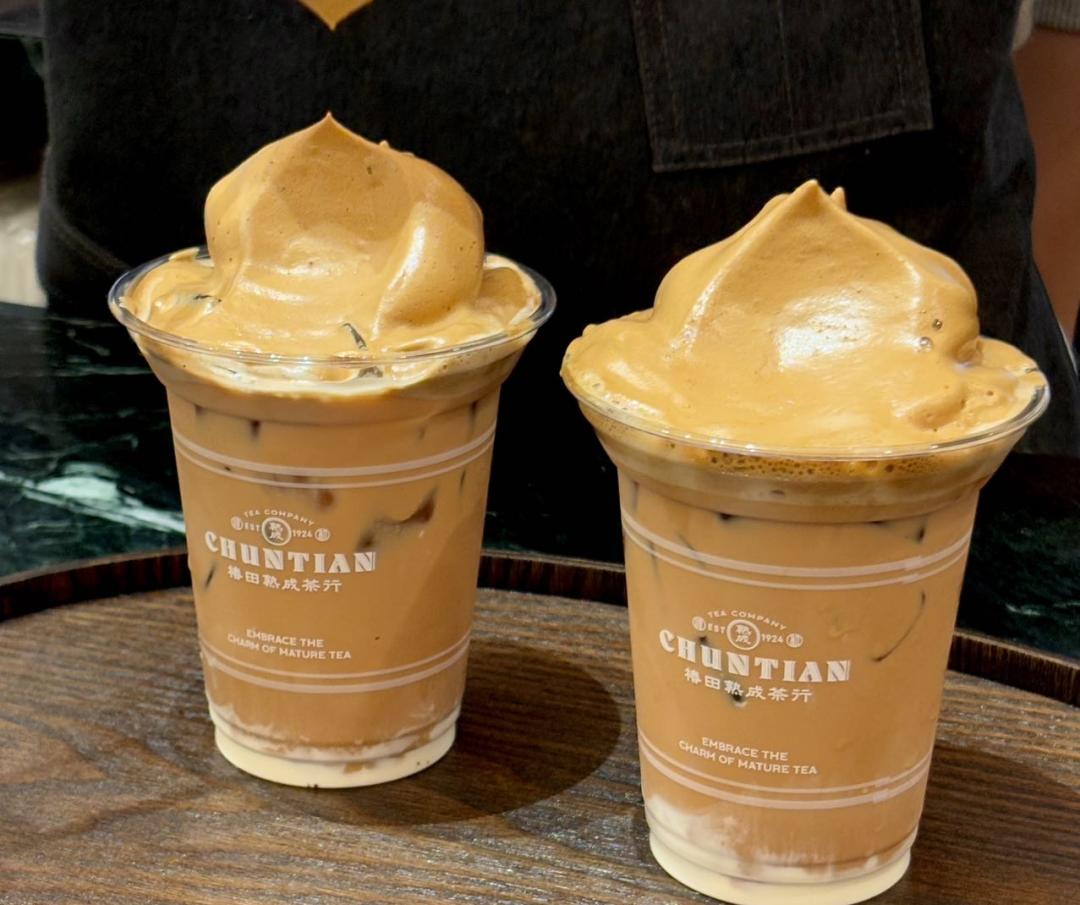
Core Viewpoint - The resurgence of Hong Kong-style milk tea is evident, with new brands and innovative products attracting younger consumers, suggesting a potential return to mainstream popularity for this classic beverage [1][3][5]. Group 1: New Trends in Hong Kong-style Milk Tea - The introduction of "aged Hong Kong milk tea base" by Chuntian Mature Tea House has led to popular products like the 800 times hand-made Yuanyang and the invigorating Golden Brick Silk Stocking Milk Tea, appealing to younger demographics [1][3]. - New brands like "Puloo tea" are innovating by combining traditional milk tea with various flavors, such as pistachio and mango, creating unique offerings that enhance the drinking experience [3][5]. Group 2: Challenges Faced by Traditional Hong Kong-style Milk Tea - Traditional Hong Kong milk tea, characterized by its simple ingredients and complex preparation methods, has struggled to maintain its market position due to the rise of new beverage trends like cheese tea and fruit tea [7][9]. - The "intangible cultural heritage" status of Hong Kong milk tea has created a double-edged sword, limiting innovation and leading to perceptions of the beverage as outdated and less appealing to younger consumers [11][13]. Group 3: Opportunities for Revitalization - There are three key opportunities for the revival of Hong Kong milk tea: leveraging its rich flavor profile to attract consumers seeking robust taste experiences, optimizing traditional recipes with new ingredients and standardized processes, and innovating product forms to create a diverse product matrix [14][19][20]. - The market is seeing a shift towards "Hong Kong milk tea +" concepts, which could include variations like milk tea with cheese toppings or milk tea slushes, expanding the appeal to a broader audience [22]. Conclusion - The Hong Kong milk tea industry stands at a crossroads, with the potential to either cling to tradition or embrace innovation to meet contemporary consumer demands. The success of this revival will depend on addressing health concerns and enhancing the overall drinking experience [23][24].

茶咖日报|瑞幸纽约开店是在“抢钱”?专家:再难的路也得走下去
Guan Cha Zhe Wang· 2025-07-04 13:23
Group 1: Industry Insights - The global coffee market has experienced a "coffee shortage" due to extreme weather in major coffee-producing regions, leading to record-high prices [2] - The International Coffee Organization predicts that the coffee supply may improve within three years as new plantations begin to yield, potentially alleviating current supply pressures [2] - Recent data indicates a 28.1% month-on-month increase in certified coffee stocks, suggesting improved market liquidity as producers respond to high prices [2] Group 2: Company Strategies - Luckin Coffee's CEO, Guo Jinyi, stated that opening stores overseas is significantly more challenging than in China, where the company previously described its domestic expansion as "easy money" [1] - JDE Peet's has launched a new strategy called "Reignite the Amazing," focusing on simplifying its portfolio, enhancing operational efficiency, and achieving €500 million in net cost savings by 2027 [3][4] - JDE Peet's aims to invest 50% of the cost savings into high-potential growth projects and the remaining 50% to enhance profitability [3] Group 3: Consumer Trends - Xiangpiaopiao is adapting its marketing strategies to attract younger consumers, shifting focus from older demographics to Gen Z and younger generations [5] - The company is exploring various product offerings, including the acquisition of high-end ready-to-drink tea brands, to appeal to younger audiences [5] Group 4: Cultural Representation - Xiaoguan Tea has been designated as the official tea for the BRICS Summit in 2025, showcasing Chinese tea culture on an international stage [6] - The brand has previously represented Chinese tea culture at various high-profile events, emphasizing its commitment to cultural exchange and innovation [6]

