港门粉

Search documents
三亚宁远河畔港门村:一脉河水孕生机 百年浸润铸精魂
Hai Nan Ri Bao· 2025-10-24 01:33
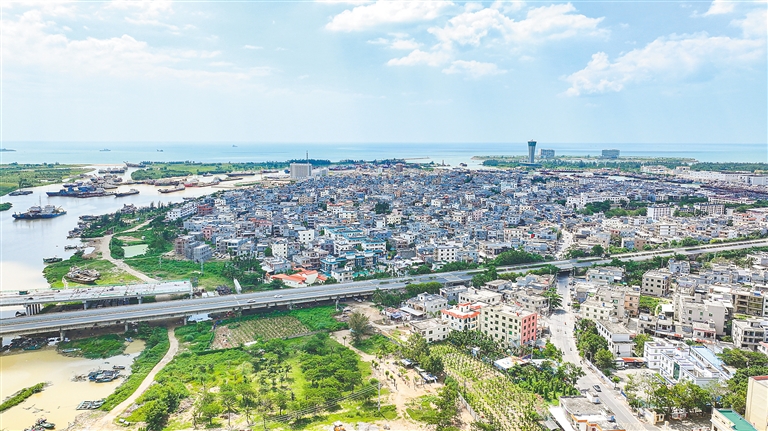
百年来,宁远河水以清澈河水滋养沃土,解港门村民"填饱肚子"的生存之需;又催生出造船、捕捞的匠艺 与手工制糖的技艺,让港门人有立身之本;还在端午龙舟的劈波竞渡中,将不甘落后、奋勇争先的精神注入村 民血脉。 河流的馈赠不仅撑起了港门村的烟火日常,更塑造了村落独有的气质与灵魂,让人与河共生的故事,在 崖州大地上代代流传。 根基 河海滋养的村落缘起 "宁远河养育了港门村历代村民,是港门村的母亲河。"在宁远河的涛声中,港门村党总支部书记刘将建 将村庄与河流的故事娓娓道来。 港门村和宁远河的联系,也从清光绪《崖州志》中窥见一二。 翻阅这部典籍,其中写到:"宁远水,俗名大河。源出陵水县雅康黎村大岭……折而西。绕城南,复南 行,汇于港门西南之保平港,入海。" 海南日报全媒体记者 李梦楠 见习记者 陈苡琪 崖州大地上,宁远河源远流长,在大海之滨冲积出片片沙洲。三亚崖州区港门村就位于崖州湾畔的沙洲 前沿。 "村子临近宁运河入海口,后因地形特征,人们俗称为'港嘴'。"刘将建介绍,由于来往船舶随流进出, 出海口更像一道水门,于是便有了"港门"之名。 北与青山呼应,南与大海相接,又得宁远河水护佑,让港门村既有传统农田,又有特色渔港,成 ...

三亚举办第三届乡村美食节
Hai Nan Ri Bao· 2025-10-10 01:29
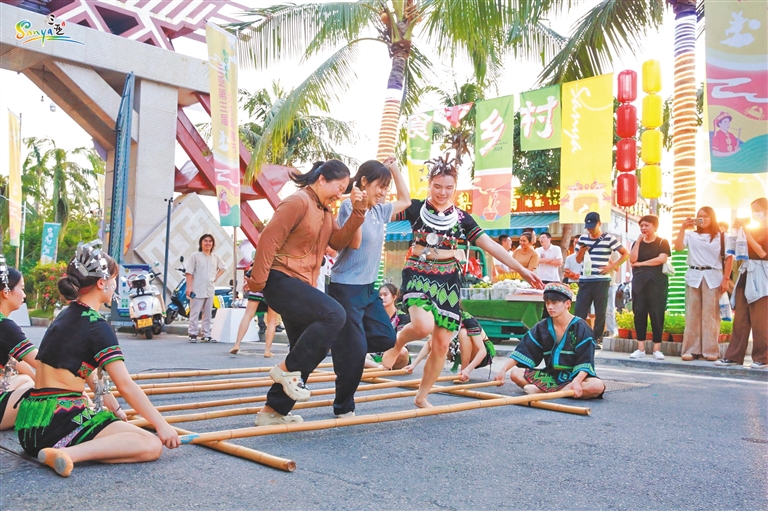
Core Insights - The Sanya Rural Food Festival aims to integrate food with culture and tourism, creating a new cultural tourism brand for Sanya [1][2] - The festival features various activities and performances, enhancing the festive atmosphere and promoting local traditions [2][3] Summary by Sections Event Overview - The festival, themed "Taste of the Countryside, Full Moon in Sanya," took place in Liupan Village, Sanya, during the National Day and Mid-Autumn Festival holiday [1] - The opening ceremony included traditional performances such as bamboo pole dancing and ethnic song and dance, showcasing the rich food culture of the Li ethnic group [1][2] Activities and Themes - Seven themed days were planned, each offering unique activities, including a National Day theme with red song performances and a Mid-Autumn theme focusing on family-oriented games [2] - A new "VillageWalk" interactive activity was introduced, allowing visitors to engage with the festival through tasks that lead to food and cultural rewards [2] Economic and Cultural Impact - The festival is part of Sanya's strategy to promote rural revitalization and deepen the integration of agriculture and tourism [2][3] - It aims to enhance the tourist experience, stimulate rural consumption, and showcase local culinary specialties [2][3]
早餐花样多 地道中国味(体验“中国味儿”)
Ren Min Ri Bao Hai Wai Ban· 2025-06-13 22:55
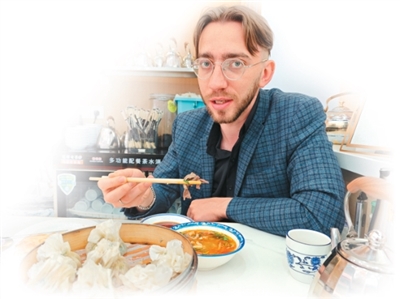
Core Viewpoint - The article explores the unique breakfast cultures in different regions of China, highlighting the experiences of foreign individuals who have immersed themselves in local culinary traditions and the cultural significance behind these meals [5][11][17]. Group 1: Inner Mongolia Breakfast Culture - The breakfast in Inner Mongolia is characterized by hearty dishes such as lamb offal soup, baked bread, and various dairy products, which are designed to provide substantial energy for the day [6][8]. - The term "hard breakfast" refers to the filling nature of the food rather than its texture, reflecting the historical lifestyle of nomadic herders who required high-calorie meals [8]. - The quality of lamb in Inner Mongolia is attributed to the natural grazing conditions, which reduce the gamey taste, enhancing the overall flavor of the meat [9]. Group 2: Hainan Breakfast Culture - In Hainan, breakfast is not just about food but also about social interaction, exemplified by the "old dad tea" culture where people gather to enjoy tea and dim sum [11][13]. - The variety of local rice noodles, such as the Sanya port noodles, showcases the region's emphasis on fresh ingredients and distinct flavors, with each type of noodle reflecting local characteristics [14][15]. - The experience of trying unique dishes like the Lingshui sour noodles highlights the adventurous spirit of exploring local cuisine, which often includes unexpected ingredients [15]. Group 3: Beijing Breakfast Culture - Beijing's breakfast scene features traditional foods like fried sauce noodles and douzhi (fermented mung bean drink), which are deeply rooted in the city's history and culture [17][19]. - The preparation and consumption of these dishes often involve a communal aspect, with many breakfast vendors located in bustling areas, creating a lively atmosphere [18]. - The stories behind the dishes, such as the origin of the door nail meat pie, add a layer of cultural richness to the culinary experience in Beijing [19].