炒肝

Search documents
北京隆福寺:新春市集年味足
Xin Lang Cai Jing· 2026-02-14 21:57
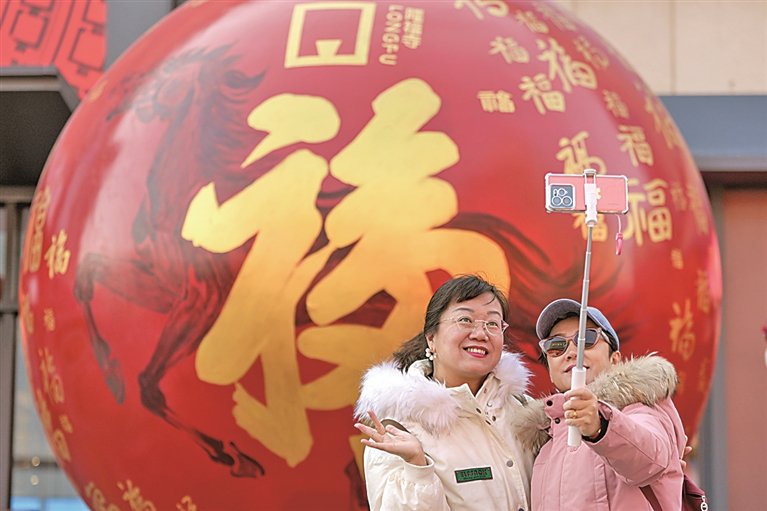
Core Viewpoint - The article highlights the vibrant atmosphere and cultural significance of the Longfu Temple area in Beijing during the Spring Festival, showcasing its transformation into a cultural hub that blends historical heritage with contemporary art and lifestyle [1][3]. Group 1: Cultural and Economic Impact - The Longfu Temple area has become a bustling cultural "parlor" of the city, reflecting a deep integration of historical memory with modern art and lifestyle [3][5]. - The area has experienced revitalization through meticulous urban renewal efforts, preserving various architectural styles while fostering a dialogue between ancient and modern elements [3][4]. Group 2: Visitor Experience and Offerings - The New Year market at Longfu Temple features traditional snacks and innovative products, such as the new "京八件" pastries that combine bronze vessel designs with blind box concepts, enhancing customer experience [4][5]. - The market has become a popular destination for both tourists and locals, with attractions like the "隆福马" sculpture and various cultural displays drawing significant crowds [2][3]. Group 3: Future Developments - The second phase of the Longfu Temple project is set to open in September 2025, aiming to introduce more brands related to art, technology, and traditional businesses, further enriching the area's cultural landscape [4][5].

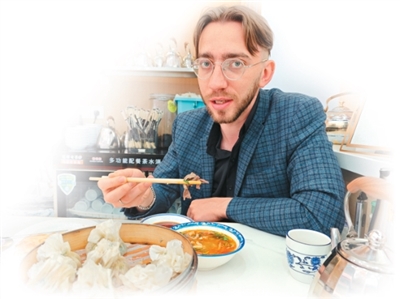
早餐花样多 地道中国味(体验“中国味儿”)
Ren Min Ri Bao Hai Wai Ban· 2025-06-13 22:55
Core Viewpoint - The article explores the unique breakfast cultures in different regions of China, highlighting the experiences of foreign individuals who have immersed themselves in local culinary traditions and the cultural significance behind these meals [5][11][17]. Group 1: Inner Mongolia Breakfast Culture - The breakfast in Inner Mongolia is characterized by hearty dishes such as lamb offal soup, baked bread, and various dairy products, which are designed to provide substantial energy for the day [6][8]. - The term "hard breakfast" refers to the filling nature of the food rather than its texture, reflecting the historical lifestyle of nomadic herders who required high-calorie meals [8]. - The quality of lamb in Inner Mongolia is attributed to the natural grazing conditions, which reduce the gamey taste, enhancing the overall flavor of the meat [9]. Group 2: Hainan Breakfast Culture - In Hainan, breakfast is not just about food but also about social interaction, exemplified by the "old dad tea" culture where people gather to enjoy tea and dim sum [11][13]. - The variety of local rice noodles, such as the Sanya port noodles, showcases the region's emphasis on fresh ingredients and distinct flavors, with each type of noodle reflecting local characteristics [14][15]. - The experience of trying unique dishes like the Lingshui sour noodles highlights the adventurous spirit of exploring local cuisine, which often includes unexpected ingredients [15]. Group 3: Beijing Breakfast Culture - Beijing's breakfast scene features traditional foods like fried sauce noodles and douzhi (fermented mung bean drink), which are deeply rooted in the city's history and culture [17][19]. - The preparation and consumption of these dishes often involve a communal aspect, with many breakfast vendors located in bustling areas, creating a lively atmosphere [18]. - The stories behind the dishes, such as the origin of the door nail meat pie, add a layer of cultural richness to the culinary experience in Beijing [19].