火车票销售

Search documents
10亿用户的高德,5天迎来三次约谈
Xin Lang Cai Jing· 2026-02-15 14:49
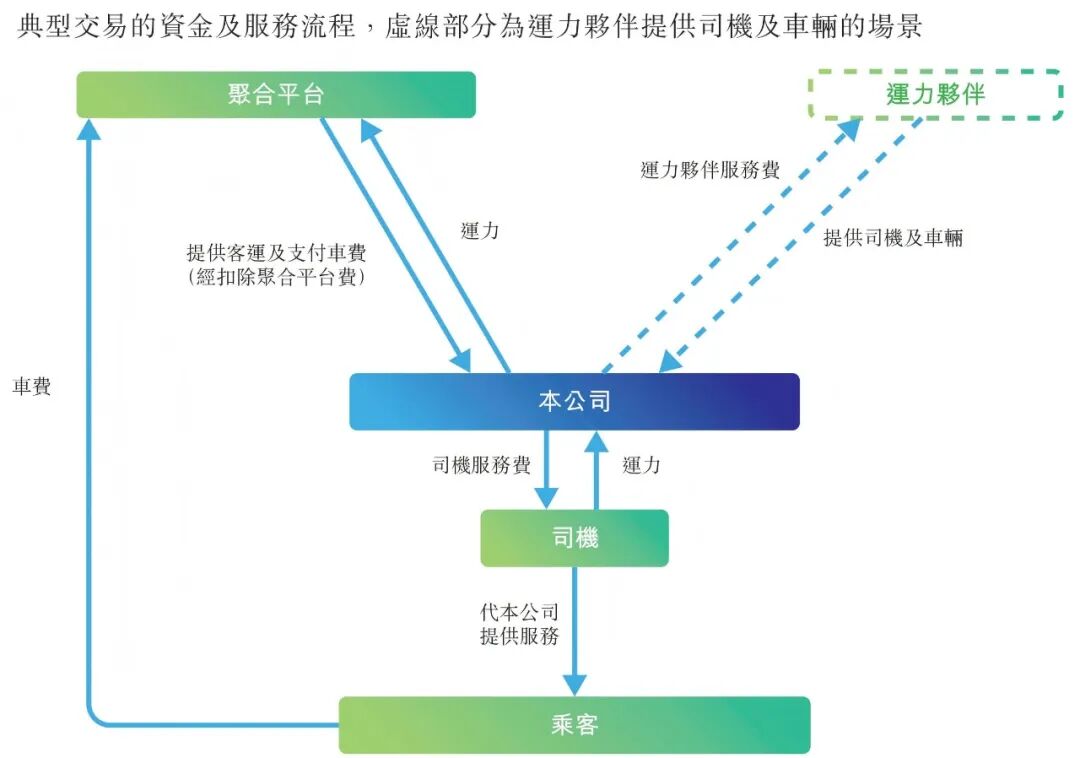
Core Viewpoint - Gaode has faced increasing regulatory pressure, being summoned three times in five days due to issues related to its ride-hailing business and other services, indicating a need for compliance changes and operational adjustments [20][21][22]. Regulatory Pressure - Gaode and five other ride-hailing platforms were summoned by financial regulators due to lending practices and commission structures [2]. - The company has been criticized for inadequate management of partner platforms, price suppression, and poor emergency response [20]. - As of December 2025, Gaode's order compliance rate was 69.4%, significantly lower than self-operated platforms like Didi and Cao Cao, which exceed 80% [16][19]. Business Model and Financials - Gaode operates a "light asset" model, acting as an intermediary without owning vehicles or managing drivers, which allows it to maintain lower operational costs [13]. - The average commission rate for Gaode's platform ranges from 10% to 20%, with a reported effective commission rate of 7.4% for a partner company, compared to Didi's average of 14% [7][9]. - Despite a large user base of 1 billion, the profitability of smaller ride-hailing platforms relying on Gaode's traffic is under pressure, with gross profit margins declining from 2.9% to -0.2% between 2022 and 2024 [12]. Market Dynamics - By the end of 2025, there were 395 ride-hailing platforms in China, with Gaode's platform contributing significantly to the order volume, processing 22 billion orders in 2024, which accounted for 67% of the total on aggregation platforms [22][23]. - The ride-hailing market is evolving, with some companies exploring Robotaxi services, which may disrupt the current aggregation model and reduce reliance on platforms like Gaode [30][31]. Strategic Adjustments - Gaode is reportedly seeking to adapt its business model in response to regulatory scrutiny and market changes, while still capitalizing on traffic benefits from its large user base [32].


10亿用户的高德 5天迎来三次约谈
2 1 Shi Ji Jing Ji Bao Dao· 2026-02-15 14:03
Core Viewpoint - Gaode has faced increasing regulatory pressure, being summoned three times in five days due to issues related to its ride-hailing business, including commission rates and compliance with regulations [1][23]. Group 1: Regulatory Pressure - Gaode and five other ride-hailing platforms were summoned by financial regulators on February 13 due to lending practices [1]. - The company has been under scrutiny for its commission practices and management of partner platforms, leading to a call for introspection and compliance improvements [22][23]. - As of December 2025, Gaode's order compliance rate was 69.4%, significantly lower than self-operated platforms like Didi and Cao Cao, which exceed 80% [18]. Group 2: Business Model and Financials - Gaode operates as an aggregator, facilitating transactions without owning a fleet or managing drivers, which allows it to maintain lower operational costs [13]. - The commission rates for aggregators range from 10% to 20%, with Gaode's effective rate calculated at 7.4% based on data from a partner company [4]. - In the first half of 2025, Gaode contributed to 94.5% of a partner's total transaction value, highlighting its significant role in the market [4]. Group 3: Market Dynamics - By the end of 2025, there were 395 ride-hailing platforms in China, with Gaode capturing a substantial share of the market [3]. - The number of ride-hailing orders processed by Gaode is projected to reach 2.92 billion by December 2025, accounting for 30% of the total market [25]. - The company has been quietly expanding its ride-hailing business while focusing on new initiatives, such as Robotaxi services, to adapt to market changes [28][36]. Group 4: Driver and User Experience - Drivers report dissatisfaction with transparency regarding commission structures, indicating a lack of clarity in earnings [2][7]. - The average passenger reward per order has fluctuated, with a notable decrease in recent periods, reflecting the pressure on driver incomes [9]. - The operational model of aggregators like Gaode has led to a "passing the buck" phenomenon, where service issues are often not adequately addressed, impacting user experience [16].