
高德打车

Search documents
10亿用户的高德,5天迎来三次约谈
Xin Lang Cai Jing· 2026-02-15 14:49
Core Viewpoint - Gaode has faced increasing regulatory pressure, being summoned three times in five days due to issues related to its ride-hailing business and other services, indicating a need for compliance changes and operational adjustments [20][21][22]. Regulatory Pressure - Gaode and five other ride-hailing platforms were summoned by financial regulators due to lending practices and commission structures [2]. - The company has been criticized for inadequate management of partner platforms, price suppression, and poor emergency response [20]. - As of December 2025, Gaode's order compliance rate was 69.4%, significantly lower than self-operated platforms like Didi and Cao Cao, which exceed 80% [16][19]. Business Model and Financials - Gaode operates a "light asset" model, acting as an intermediary without owning vehicles or managing drivers, which allows it to maintain lower operational costs [13]. - The average commission rate for Gaode's platform ranges from 10% to 20%, with a reported effective commission rate of 7.4% for a partner company, compared to Didi's average of 14% [7][9]. - Despite a large user base of 1 billion, the profitability of smaller ride-hailing platforms relying on Gaode's traffic is under pressure, with gross profit margins declining from 2.9% to -0.2% between 2022 and 2024 [12]. Market Dynamics - By the end of 2025, there were 395 ride-hailing platforms in China, with Gaode's platform contributing significantly to the order volume, processing 22 billion orders in 2024, which accounted for 67% of the total on aggregation platforms [22][23]. - The ride-hailing market is evolving, with some companies exploring Robotaxi services, which may disrupt the current aggregation model and reduce reliance on platforms like Gaode [30][31]. Strategic Adjustments - Gaode is reportedly seeking to adapt its business model in response to regulatory scrutiny and market changes, while still capitalizing on traffic benefits from its large user base [32].

10亿用户的高德 5天迎来三次约谈
2 1 Shi Ji Jing Ji Bao Dao· 2026-02-15 14:03
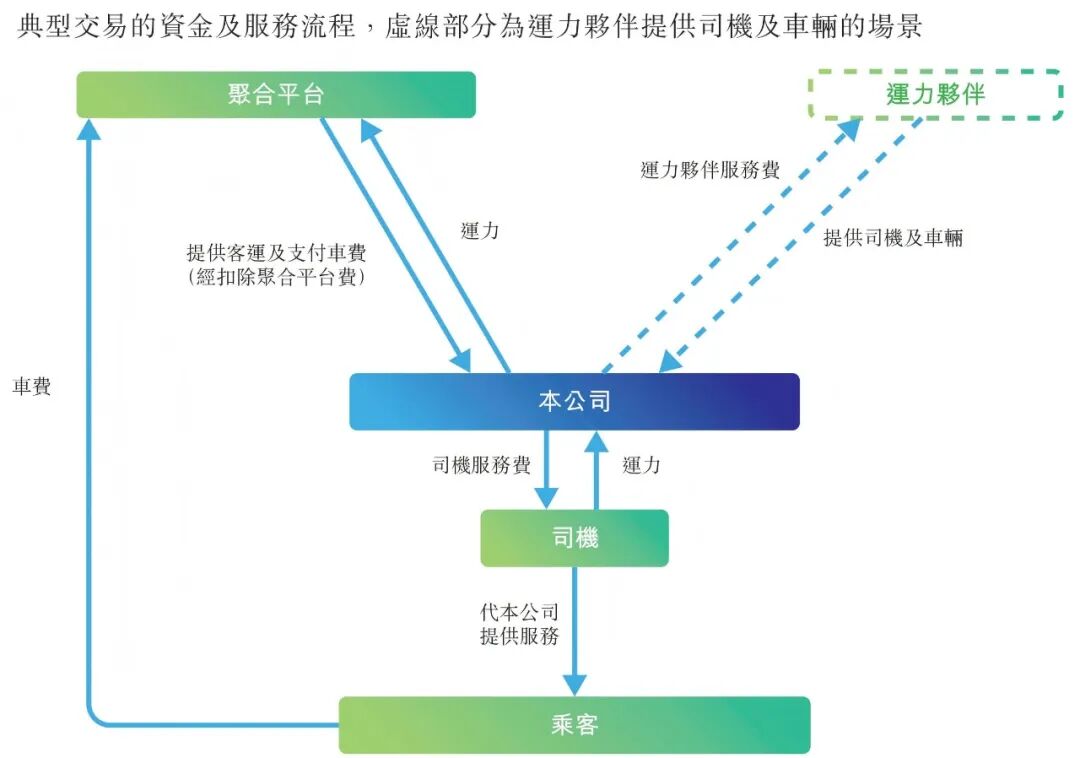
Core Viewpoint - Gaode has faced increasing regulatory pressure, being summoned three times in five days due to issues related to its ride-hailing business, including commission rates and compliance with regulations [1][23]. Group 1: Regulatory Pressure - Gaode and five other ride-hailing platforms were summoned by financial regulators on February 13 due to lending practices [1]. - The company has been under scrutiny for its commission practices and management of partner platforms, leading to a call for introspection and compliance improvements [22][23]. - As of December 2025, Gaode's order compliance rate was 69.4%, significantly lower than self-operated platforms like Didi and Cao Cao, which exceed 80% [18]. Group 2: Business Model and Financials - Gaode operates as an aggregator, facilitating transactions without owning a fleet or managing drivers, which allows it to maintain lower operational costs [13]. - The commission rates for aggregators range from 10% to 20%, with Gaode's effective rate calculated at 7.4% based on data from a partner company [4]. - In the first half of 2025, Gaode contributed to 94.5% of a partner's total transaction value, highlighting its significant role in the market [4]. Group 3: Market Dynamics - By the end of 2025, there were 395 ride-hailing platforms in China, with Gaode capturing a substantial share of the market [3]. - The number of ride-hailing orders processed by Gaode is projected to reach 2.92 billion by December 2025, accounting for 30% of the total market [25]. - The company has been quietly expanding its ride-hailing business while focusing on new initiatives, such as Robotaxi services, to adapt to market changes [28][36]. Group 4: Driver and User Experience - Drivers report dissatisfaction with transparency regarding commission structures, indicating a lack of clarity in earnings [2][7]. - The average passenger reward per order has fluctuated, with a notable decrease in recent periods, reflecting the pressure on driver incomes [9]. - The operational model of aggregators like Gaode has led to a "passing the buck" phenomenon, where service issues are often not adequately addressed, impacting user experience [16].
携程旅行、高德地图、同程旅行、飞猪旅行、航旅纵横、去哪儿旅行,被约谈
证券时报· 2026-02-13 11:31
Core Viewpoint - The article discusses recent regulatory actions taken against six travel platform companies in China, focusing on their compliance with financial practices and consumer protection standards [2]. Group 1: Regulatory Actions - The Financial Regulatory Bureau, in conjunction with the Market Regulatory Bureau and the People's Bank of China, held discussions with six travel platforms, including Ctrip, Gaode Map, and Qunar, regarding issues in their lending practices with financial institutions [2]. - The platforms were instructed to standardize their marketing behaviors, avoid misleading promotional language, and clearly disclose loan institution names and credit product information [2]. - Companies are required to enhance customer complaint channels, respond promptly to consumer disputes, and improve service quality to protect consumer rights [2]. Group 2: Compliance Requirements - The Beijing Market Supervision Administration organized a meeting with 12 major platforms involved in online train ticket sales, emphasizing compliance with operational requirements [5]. - Key compliance requirements include prohibiting misleading claims about paid services providing priority ticket purchasing privileges and rectifying misleading promotions related to ticket availability [7]. - Platforms must ensure clear pricing, prominently display additional service costs, and rectify discrepancies between displayed ticket prices and actual payment amounts to safeguard consumer rights [7]. Group 3: Specific Issues Addressed - The meeting highlighted issues with Gaode Dache, including inadequate management of partner ride-hailing platforms, price suppression, and improper emergency response [6]. - Gaode Dache was instructed to strengthen supervision of partner platforms, ensure stable operational strategies, and monitor price fluctuations [6]. - The company must also enhance driver rights protection, improve safety management, and provide better working conditions for drivers, especially during peak travel seasons [6].

管理缺位、压低运价!高德又被约谈
Sou Hu Cai Jing· 2026-02-11 01:16
Core Viewpoint - Gaode Taxi has been criticized for management deficiencies and price suppression, leading to over 60,000 complaints, necessitating a brand image repair after finally achieving profitability [2][18]. Group 1: Regulatory Actions - The Ministry of Transport's inter-ministerial joint meeting office recently held a meeting with Gaode Taxi, highlighting issues such as inadequate management of partner ride-hailing platforms and improper emergency responses [3][4]. - The meeting emphasized the need for Gaode Taxi to implement corrective measures immediately, ensuring the protection of drivers' rights [4][6]. Group 2: Complaints and Issues - Gaode Taxi has received over 68,000 complaints, primarily related to overcharging, refunds, and service quality [18]. - Specific complaints include discrepancies in ride fares and issues with hotel bookings made through the Gaode platform, leading to customer dissatisfaction [24]. Group 3: Business Background - Gaode Taxi, launched in 2017, has quickly become the second-largest ride-hailing platform in China, leveraging its parent company's user base of approximately 150 million daily active users [14]. - The company has transitioned from a traditional mapping service to a comprehensive local life service platform, integrating various services and generating revenue through commission from partners [15]. Group 4: Financial Performance - After ten years of losses, Gaode finally reported profitability, with its local life group revenue reaching 16.988 billion yuan, a 12% year-on-year increase [18]. - Despite achieving profitability, the company continues to face significant customer complaints, indicating ongoing operational challenges [18].

跨境电商退运税收优惠延期,周大福拟年后上调价格 | 财经日日评
吴晓波频道· 2026-02-11 00:20
Monetary Policy and Economic Outlook - The central bank conducted a 3,114 billion yuan 7-day reverse repurchase operation, with a net injection of 2,059 billion yuan, indicating a proactive approach to manage liquidity ahead of the Spring Festival [2] - The central bank is expected to accelerate interest rate cuts and reserve requirement ratio reductions due to ongoing economic challenges, with January's manufacturing PMI falling into contraction territory [3] Logistics and Economic Activity - The total social logistics in China reached 368.2 trillion yuan, growing by 5.1% year-on-year, with logistics costs as a percentage of GDP decreasing to 13.9% [4] - Industrial logistics contributed significantly to growth, with high-tech manufacturing logistics demand increasing over 9%, particularly in industrial robots and new energy vehicles [4][5] Cross-Border E-Commerce Policies - The Ministry of Finance extended tax incentives for cross-border e-commerce export return goods until the end of 2027, with the 2025 export-import scale reaching 2.75 trillion yuan, a 69.7% increase since 2020 [6] - The policy aims to alleviate financial burdens on businesses facing challenges due to international market conditions [6] Ride-Hailing Industry Regulation - The Ministry of Transport held discussions with Gaode Dache regarding management issues and pricing practices, emphasizing the need for improved operational safety and compliance [8][9] - The regulatory focus aims to foster a transparent and fair competitive environment in the ride-hailing market [9] Corporate Financing and Investment Trends - Alphabet plans to issue a rare 100-year bond, marking a significant move in corporate financing amidst substantial capital expenditures aimed at AI development [10][11] - Microsoft faced a downgrade in ratings due to concerns over capital expenditures and the performance of its AI products, despite a majority of analysts still recommending the stock [12][13] Gold Market Dynamics - Chow Tai Fook plans to raise gold product prices by 15%-30% due to rising international and domestic market factors, marking its fourth price adjustment in a year [14][15] - The shift in consumer demand from gold jewelry to investment products reflects changing market dynamics, with leading brands innovating to add value beyond weight [15]





携程、高德接连被“点名” 释放了什么信号
Shang Hai Zheng Quan Bao· 2026-02-10 18:11
Core Viewpoint - The transition from "traffic harvesters" to "value co-creators" requires platform companies to undergo systematic restructuring across multiple levels [1][9] Group 1: Regulatory Environment - Recent regulatory actions have highlighted issues of unfairness and imbalance of rights and responsibilities within the platform economy, particularly targeting companies like Ctrip and Gaode [3][8] - The Ministry of Transport anticipates a peak in cross-regional personnel flow during the Spring Festival, emphasizing the importance of fair pricing and service quality in the transportation and tourism sectors [3] - Regulatory bodies are increasingly focused on ensuring that platform companies balance commercial interests with social responsibilities, especially as they become deeply embedded in societal operations [1][3] Group 2: Industry Challenges - The high commission fees charged by platforms like Ctrip have led to significant financial strain on hotels and other service providers, with over 70% of hotels reporting commissions that are "unbearable" [4] - Consumers are also affected, with over 60% of online travel users suspecting they have been victims of "data killing," particularly on platforms like Ctrip [4] - The operational challenges faced by drivers and service providers, including inadequate complaint channels and unfair treatment, have drawn regulatory scrutiny [3][4] Group 3: Governance and Structural Changes - The regulatory framework is evolving to include stricter controls on practices like "choose one from two" and "data killing," with new laws and guidelines being implemented to enhance platform accountability [6][8] - Experts suggest that effective regulation of the platform economy requires a multi-faceted approach that integrates legal, technical, and market variables, moving towards a system of collaborative governance [7][9] - The need for platforms to establish transparent algorithms and ethical guidelines is emphasized, as well as the importance of diversifying revenue models away from heavy reliance on commissions [9][10] Group 4: Future Directions - The shift towards a "value co-creation" model necessitates platforms to evolve their algorithms for fairness, develop new revenue streams, and adopt a governance structure that includes diverse stakeholder input [1][9] - Platforms are encouraged to create effective channels for consumer and provider complaints, and to incorporate third-party evaluations to foster a collaborative governance environment [10]

携程、高德接连被“点名”,释放了什么信号
Shang Hai Zheng Quan Bao· 2026-02-10 18:09
Core Insights - The article emphasizes the need for platform companies to transition from being "traffic harvesters" to "value co-creators" through systematic restructuring across multiple levels [2][10]. Regulatory Environment - Recent regulatory actions against companies like Ctrip and Gaode Dache highlight the government's focus on addressing market dominance and ensuring fair competition [4][5]. - The Ministry of Transport anticipates a peak in travel during the Spring Festival, with an expected 9.5 billion person trips, underscoring the importance of fair pricing and service quality in the platform economy [4]. Market Challenges - Drivers and consumers have expressed concerns over rising fares and inadequate support from platforms in dispute resolution, indicating a need for better protection of their rights [4][5]. - A significant portion of hotels (over 70%) report that platform commissions have reached unsustainable levels, leading to a loss of pricing autonomy for merchants [5][6]. Governance and Oversight - The establishment of a systematic regulatory framework aims to address issues like "big data price discrimination" and enhance platform accountability [7][9]. - Recent regulations emphasize the need for platforms to manage their responsibilities effectively, extending accountability beyond direct ownership to include algorithmic control and market influence [9]. Transformation Strategies - Platforms are encouraged to evolve their algorithms to promote fairness and transparency, establishing ethical guidelines for algorithm development [10]. - A shift away from commission-dependent revenue models is necessary, with a focus on providing genuine digital solutions to support small businesses [10]. - Governance structures should evolve towards "multi-party co-governance," involving public feedback and industry standards to ensure fair practices [10][11].

约谈高德打车,监管纠偏聚合平台低价内卷
Xin Lang Cai Jing· 2026-02-10 07:57
Core Viewpoint - The recent regulatory actions against Gaode Dache highlight the systemic challenges and transformation pressures faced by China's ride-hailing aggregation platforms after nearly a decade of rapid growth [1][12]. Regulatory Environment - The regulatory focus has shifted from encouraging innovation to enforcing platform accountability and ensuring long-term market health [1][12]. - The Ministry of Transport's recent guidelines classify aggregation platforms as "joint service providers," mandating them to take on more substantial management and safety responsibilities [6][18]. Market Dynamics - The ride-hailing market has transitioned from explosive growth to a phase of competition over existing market share, with order growth rates significantly slowing down [7][18]. - User demands are evolving, with passengers now prioritizing certainty, safety, comfort, and after-sales support over low prices [8][19]. Pricing and Profitability Issues - Recent reports indicate that some ride-hailing orders in Chengdu have dropped to historical lows of approximately 0.6 yuan per kilometer, severely impacting drivers' earnings [2][13]. - The "floor price" for rides is approaching or even falling below operational costs, leading to a dilution of drivers' labor value and time investment [3][14]. Driver Rights and Earnings - Despite commitments to limit commission rates to 30%, many platforms are reportedly circumventing this through various hidden fees and cost transfers to drivers [3][15]. - The complexity of commission structures, including "yin-yang billing" practices, results in significant discrepancies between what passengers pay and what drivers receive, further squeezing drivers' profits [4][15]. Future Industry Outlook - The transformation of aggregation platforms is necessary, requiring them to evolve from light-asset models to entities responsible for service quality, driver rights, and operational safety [8][20]. - The industry is expected to undergo significant restructuring, focusing on compliance, ecological collaboration, and the protection of driver rights, moving towards a more sustainable and equitable operational model [11][22].
因压低运价等被约谈!高德回应
Nan Fang Du Shi Bao· 2026-02-10 04:30
Core Viewpoint - The Ministry of Transport has conducted a meeting with Gaode Dache, highlighting issues such as inadequate management of partner ride-hailing platforms, price suppression, and improper emergency response, demanding immediate corrective actions to protect drivers' rights [1][2]. Group 1: Regulatory Requirements - Strengthening supervision and management of partner ride-hailing platforms is essential, including improving decision-making mechanisms and monitoring price fluctuations to ensure drivers' reasonable income [1]. - The company is required to standardize operational behaviors by enhancing the review and management of platforms, vehicles, and drivers, and preventing excessive commission layers [1]. - Ensuring drivers' legal rights involves establishing clear communication channels for grievances and responding promptly to various issues raised by drivers [1]. Group 2: Safety and Support Measures - There is a need to enhance operational safety regulations, focusing on educating drivers about safe driving and emergency response, especially during the Spring Festival transportation period [2]. - The company is encouraged to conduct activities aimed at caring for drivers, improving working conditions, and providing support during peak travel times [2]. - Gaode Dache has committed to implementing the meeting's requirements, learning from past mistakes, and enhancing risk awareness to maintain fair market competition and protect drivers' rights [2].
信达国际控股港股晨报-20260210
Xin Da Guo Ji Kong Gu· 2026-02-10 01:49
Market Overview - The Hang Seng Index is expected to hold at 26,000 points, with the U.S. Federal Reserve's hawkish stance influencing market dynamics and leading to a rebound in the U.S. dollar index [2] - The Chinese government is anticipated to focus on expanding domestic demand and technological self-sufficiency in 2026, with GDP growth targets expected to be set between 4.5% and 5% [2] - Regulatory measures are being implemented to cool the market, including increased financing margin ratios and a reduction in leverage across major exchanges [2] Company News - Alphabet plans to issue high-rated U.S. bonds to raise approximately $15 billion, continuing the trend of significant debt issuance among companies investing heavily in AI infrastructure [4][10] - Alibaba's Gaode Dache has been summoned by the Ministry of Transport due to issues related to price management and operational oversight [4][10] - BYD has filed a lawsuit against the U.S. government seeking the return of all tariffs imposed [4] - Hong Kong Telecom reported a 4% increase in profit for the previous year, with a dividend of 47.97 cents [4] Sector Focus - The travel sector is expected to see strong demand as the Lunar New Year approaches, with an estimated 2,200 inbound tours from mainland China to Hong Kong, involving around 86,000 visitors [9] - The semiconductor industry is projected to experience significant growth driven by strong demand for AI technologies [7] - The logistics sector in China reported a total logistics volume of 368.2 trillion yuan for 2025, reflecting a year-on-year growth of 5.1% [8] Economic Indicators - The U.S. Federal Reserve maintained interest rates in January, indicating a cautious approach to future adjustments based on economic data [5] - The international oil market is expected to face upward pressure on prices due to geopolitical factors, despite an oversupply situation [5] - The Chinese central bank is expected to inject liquidity into the market ahead of the Lunar New Year, with estimates suggesting a liquidity gap of over 3 trillion yuan [8]