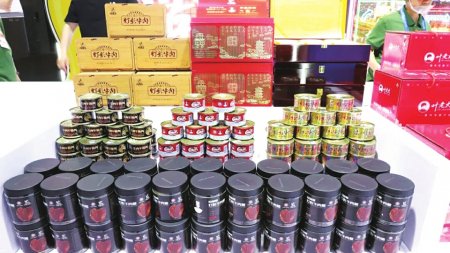
灯影牛肉

Search documents
撒贝宁喊你来达州坐一坐
Xin Lang Cai Jing· 2026-01-22 19:11
Core Viewpoint - The article highlights the rich culinary culture of Dazhou, Sichuan, showcasing local delicacies and their significance in reflecting the city's spirit and lifestyle [7][10]. Group 1: Culinary Highlights - Dazhou's cuisine is characterized by its bold flavors and unique cooking techniques, such as the preparation of "Yangrou Gege" (sheep meat) and "Dengying Beef," which are deeply rooted in local traditions [8][9]. - The traditional cooking methods of "Dengying Beef" have been recognized as a provincial intangible cultural heritage, emphasizing the meticulous craftsmanship involved in its preparation [8]. - The article describes the warming qualities of "Old Courtyard Black Chicken Soup," which is made from locally sourced black chicken and seasonal ingredients, representing comfort food during winter [9]. Group 2: Cultural Significance - Food in Dazhou serves as a reflection of the city's resilient and inclusive spirit, with historical influences shaping its culinary practices [9][10]. - The article emphasizes the role of food in social interactions, highlighting how communal dining experiences foster connections among locals and visitors alike [9]. - Dazhou's culinary offerings are positioned as cultural ambassadors, attracting tourists and promoting local heritage through events and festivals [10][11]. Group 3: Tourism and Cultural Events - The article mentions the "Three Meals Four Seasons" program by CCTV, which has brought significant attention to Dazhou's culinary scene, making local dishes like "Yangrou Gege" and "Dengying Beef" widely recognized [10]. - Upcoming cultural events, such as the "Iron Flower" performance and the "Yuan Jiu Climbing" festival, are highlighted as opportunities for visitors to experience Dazhou's rich cultural heritage alongside its culinary delights [10][11]. - The integration of food and tourism is emphasized, with Dazhou being portrayed as a destination that offers both gastronomic and cultural experiences [11].

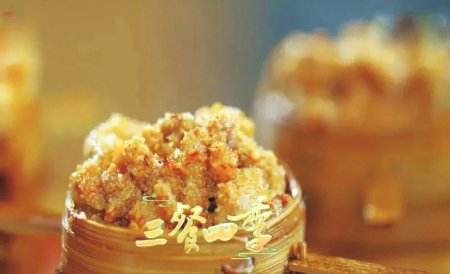
四川美食又“出圈”!央视《三餐四季》解锁遂宁达州寻味之旅
Xin Lang Cai Jing· 2026-01-18 11:16
Core Insights - The article highlights the significance of Sichuan cuisine in the context of the food travel program "Three Meals in Four Seasons," showcasing the unique culinary offerings of the cities of Suining and Dazhou [1] Group 1: Suining's Culinary Scene - Suining is characterized by its vibrant dockside dining culture, with clay pot dishes being a staple, reflecting the local culinary heritage [4] - The city has a thriving clay pot restaurant industry, employing thousands and promoting local specialties like the 524 sweet potato, which has a planting area of 88,000 acres and an annual output of 27,000 tons [6][7] - Suining is home to the largest single-unit production facility for king oyster mushrooms in China, contributing significantly to the local economy with hundreds of tons of mushrooms shipped nationwide and internationally [7][9] Group 2: Dazhou's Diverse Flavors - Dazhou's culinary offerings include a variety of local dishes such as lamb stew, light shadow beef, and jar chicken, which are deeply rooted in the region's agricultural practices and cooking techniques [9][11] - The "Shuxuanhua" beef from Dazhou is recognized for its high quality, with the region being a leading cattle-raising area, producing around 100,000 cattle annually [11] - The local specialty "light shadow beef" is known for its thinly sliced texture and complex flavors, contributing to the growth of the local beef industry [11][13] Group 3: Cultural Significance of the Program - "Three Meals in Four Seasons" is a large-scale food and travel program that aims to explore and showcase the unique culinary and cultural aspects of different provinces in China, with this episode focusing on Sichuan [13]
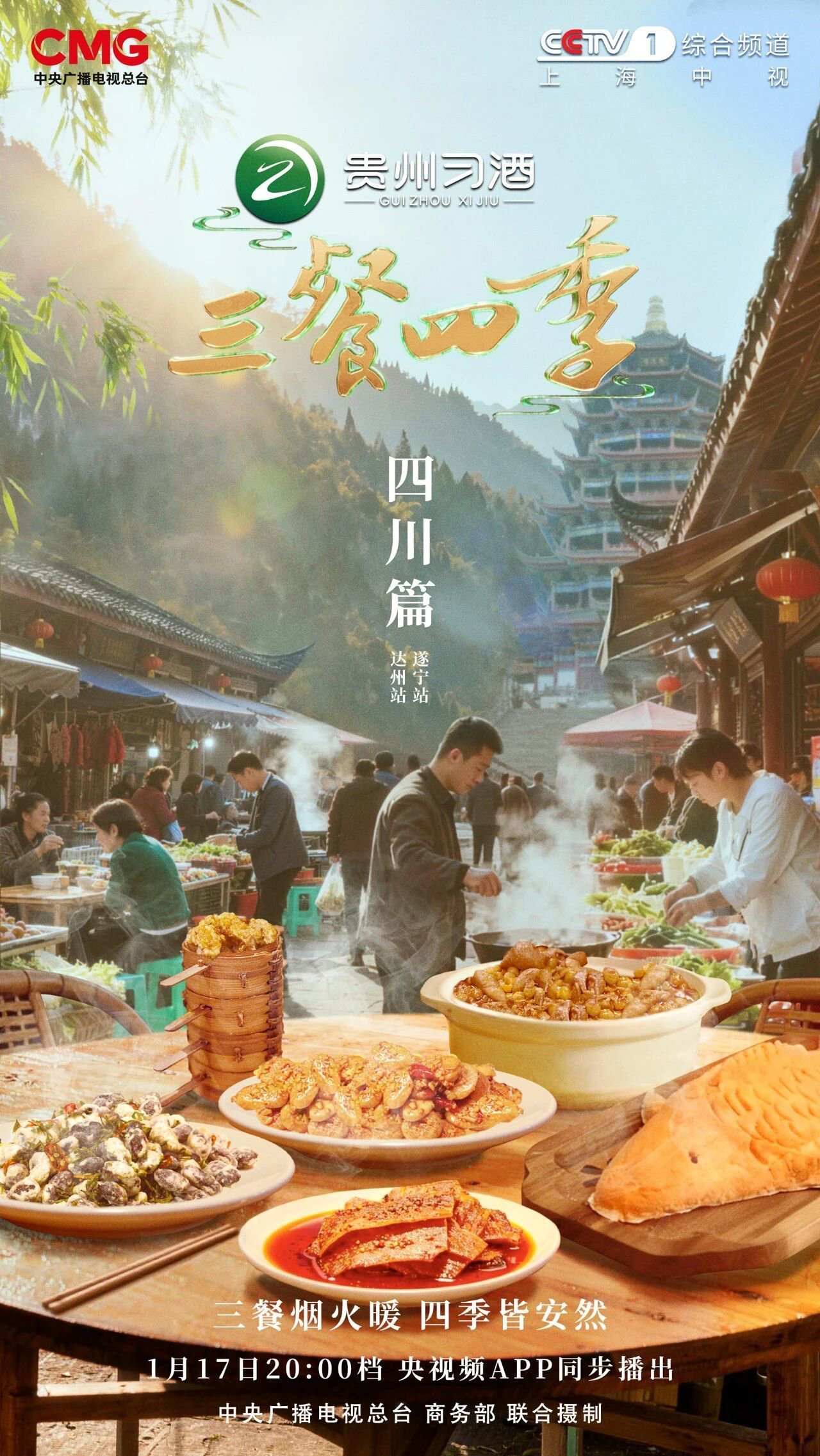
美食文旅节目《三餐四季》走进四川解锁地道川味烟火
Xin Lang Cai Jing· 2026-01-17 13:35
Core Viewpoint - The article highlights the rich culinary culture of Sichuan, particularly focusing on the unique dishes and food experiences in the cities of Dazhou and Suining, as showcased in the food and travel program "Three Meals a Day, Four Seasons" [1][6]. Group 1: Dazhou Culinary Highlights - Dazhou's signature dish, the lamb "gege," is a beloved breakfast item, characterized by its tender meat and flavorful rice noodles, served in bamboo steamers [3]. - The "Dengying Beef," known for its meticulous preparation involving over twenty steps, is celebrated for its unique texture and complex flavors, making it a popular local gift [3]. - The "Hanging Pot" cuisine reflects the local culture and community spirit, combining rich flavors and a sense of warmth among family and friends [3]. Group 2: Suining Culinary Highlights - Suining's culinary identity is described as both "spicy" and "gentle," with a focus on the local specialty of clay pot dishes, particularly the "Green Bean Fat Intestine," which showcases the region's culinary heritage [4]. - The thriving mushroom industry in Suining has led to innovative dishes like the "Vegetarian Abalone" made from king oyster mushrooms, highlighting the region's agricultural resources [4]. - The ancient salt-baked fish, prepared using traditional methods, represents Suining's historical culinary practices and contributes to the city's unique food identity [5].
“封神史”
Xin Lang Cai Jing· 2026-01-13 18:48
Core Viewpoint - The article highlights the significance and unique qualities of "Dengying Beef," a traditional beef jerky from Dazhou, Sichuan, which has become a cultural symbol and a popular delicacy in the region due to its unique production process and flavor profile [8][12]. Group 1: Historical Background - Dengying Beef is recognized as a "classic benchmark" in the beef jerky category in Sichuan, with a history that traces back to the Qing Dynasty, where it was innovated by Liu Zhonggui [9]. - The name "Dengying" refers to the thinly sliced beef that is translucent enough to see light through, a quality that has been preserved for over a century [9]. Group 2: Production Process - The production of Dengying Beef involves meticulous steps, starting with the selection of high-quality yellow cattle, particularly the lean meat from the hind legs, which must be free of sinews and have a balanced fat content [10]. - The traditional slicing technique requires skilled artisans to cut the beef into approximately 2mm thick slices, ensuring that each piece is intact and visually appealing [10]. - The preparation includes multiple steps such as marinating, drying, slow roasting, steaming, and frying, each requiring precision to maintain the flavor and texture of the beef [10]. Group 3: Flavor Profile and Cultural Significance - Dengying Beef is characterized by its bright red color, aromatic spices, and a unique texture that is crispy yet tender, making it a versatile snack suitable for various occasions [11]. - The flavor profile reflects the local culture of Dazhou, where spicy foods are favored due to the region's humid climate, and the beef jerky serves as a culinary symbol of the area [11]. - The product has evolved over time, with modern variations available while still retaining the core attributes of being "translucent and fragrant" [11]. Group 4: Recognition and Heritage - Dengying Beef has received numerous accolades, including being listed as a national geographical indication product in 2015 and included in the first batch of Sichuan's intangible cultural heritage in 2007 [12]. - The establishment of the state-owned Dazhou Dengying Beef Factory in 1958 marked a significant milestone in its commercial success, with its products being served at national banquets [12].