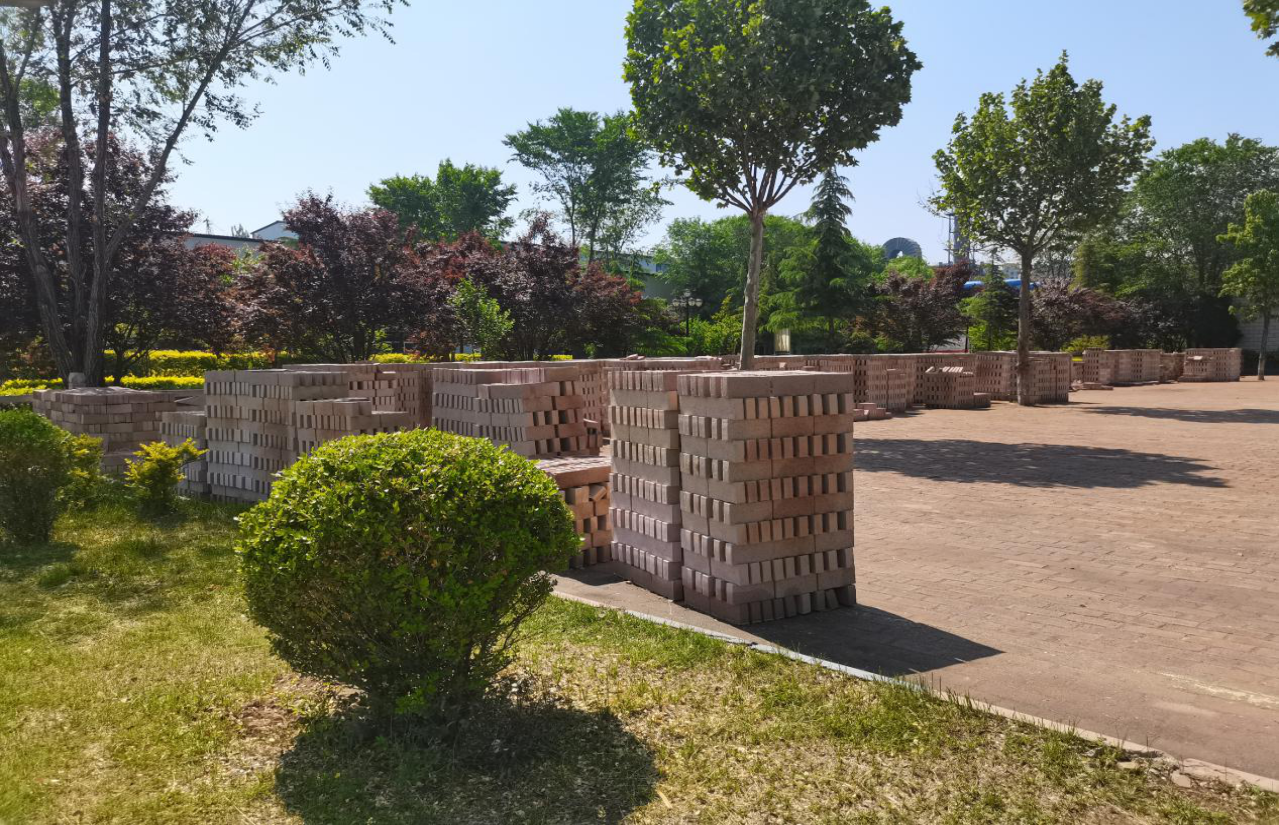
煤矸石砖

Search documents
护黄河水脉安全
Xin Lang Cai Jing· 2026-01-06 23:42
Core Viewpoint - The article highlights the illegal water extraction practices of a new building materials company in Ningwu County, Shanxi Province, which has been operating without the necessary water extraction permits since its establishment in 2020, raising concerns about water resource management in the Yellow River basin [2][3][4]. Group 1: Company Practices - The new building materials company specializes in producing sintered bricks from coal gangue, presenting itself as an environmentally friendly enterprise that utilizes solid waste [2]. - Despite its green image, the company has been illegally extracting water from a self-built well without any permits or metering facilities, relying solely on this source for its production needs [2][3]. - The company has now installed a legal water extraction permit and a water metering system, demonstrating a shift towards compliance with water resource regulations [6]. Group 2: Regulatory Actions - The Ningwu County Procuratorate initiated an investigation into the company's water usage as part of a broader effort to protect water resources in the Yellow River basin, uncovering the company's illegal practices [2][4]. - Following the investigation, the water resources department issued a notice to the company to cease illegal activities, requiring it to apply for the necessary permits and install metering facilities, along with a fine of 100,000 yuan [5]. - A collaborative effort between the procuratorate and local water and tax departments has led to the establishment of a data-sharing platform to enhance the monitoring and enforcement of water resource regulations [6]. Group 3: Broader Implications - The illegal water extraction by this single company is indicative of a larger issue within the coal industry in the region, as multiple upstream coal washing enterprises were found to be operating without the required permits [4]. - The successful resolution of this case is seen as a step towards ensuring the sustainable management of water resources, which is crucial for the ecological safety of the Yellow River basin [6].
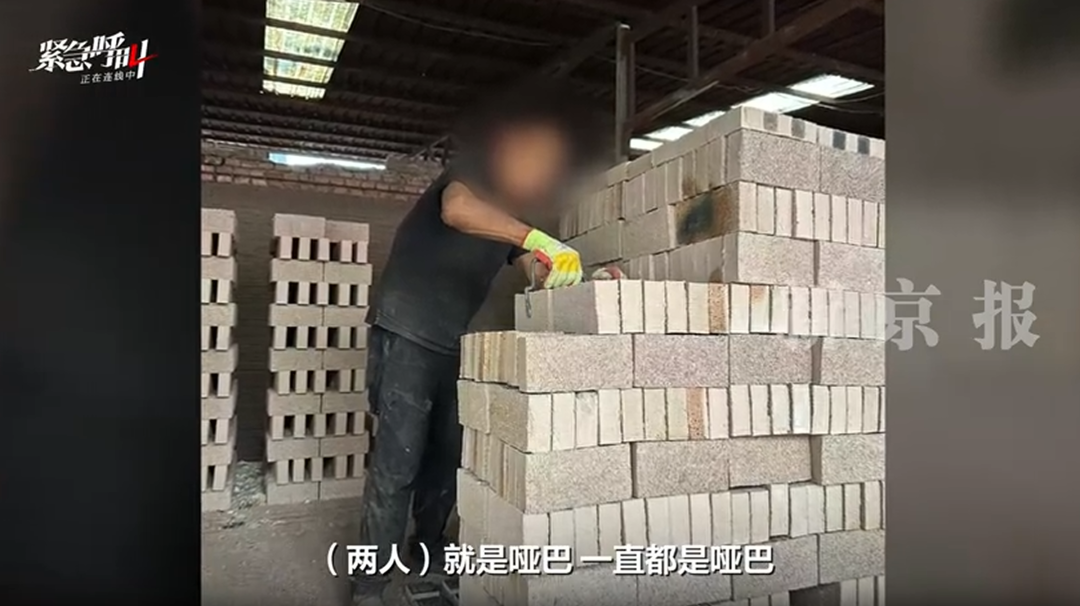
建材公司威胁、殴打强迫聋哑人劳动,“未支付劳动报酬”!官方通报:相关责任人已被刑拘,工厂被停工整顿
Mei Ri Jing Ji Xin Wen· 2025-09-18 08:08
Group 1 - The core issue involves allegations of forced labor at Fuyiao Building Materials Co., where two disabled individuals were reportedly coerced into working without pay [1][3] - A joint investigation team was formed by local authorities in Changzhi County to address the concerns raised by netizens regarding the working conditions at the brick factory [1] - The factory has been ordered to suspend operations and undergo rectification, while criminal measures have been taken against the alleged perpetrators [1] Group 2 - The labor manager of the brick factory claimed that the two disabled workers, both around 60 years old, had been working there for approximately 30 years and received minimal financial support [3] - The manager also mentioned that he had prepared coffins for the two workers according to local customs, indicating a lack of proper care and support for their well-being [3]

“将煤矸石变废为宝是件骄傲的事”
Zhong Guo Huan Jing Bao· 2025-08-28 08:32
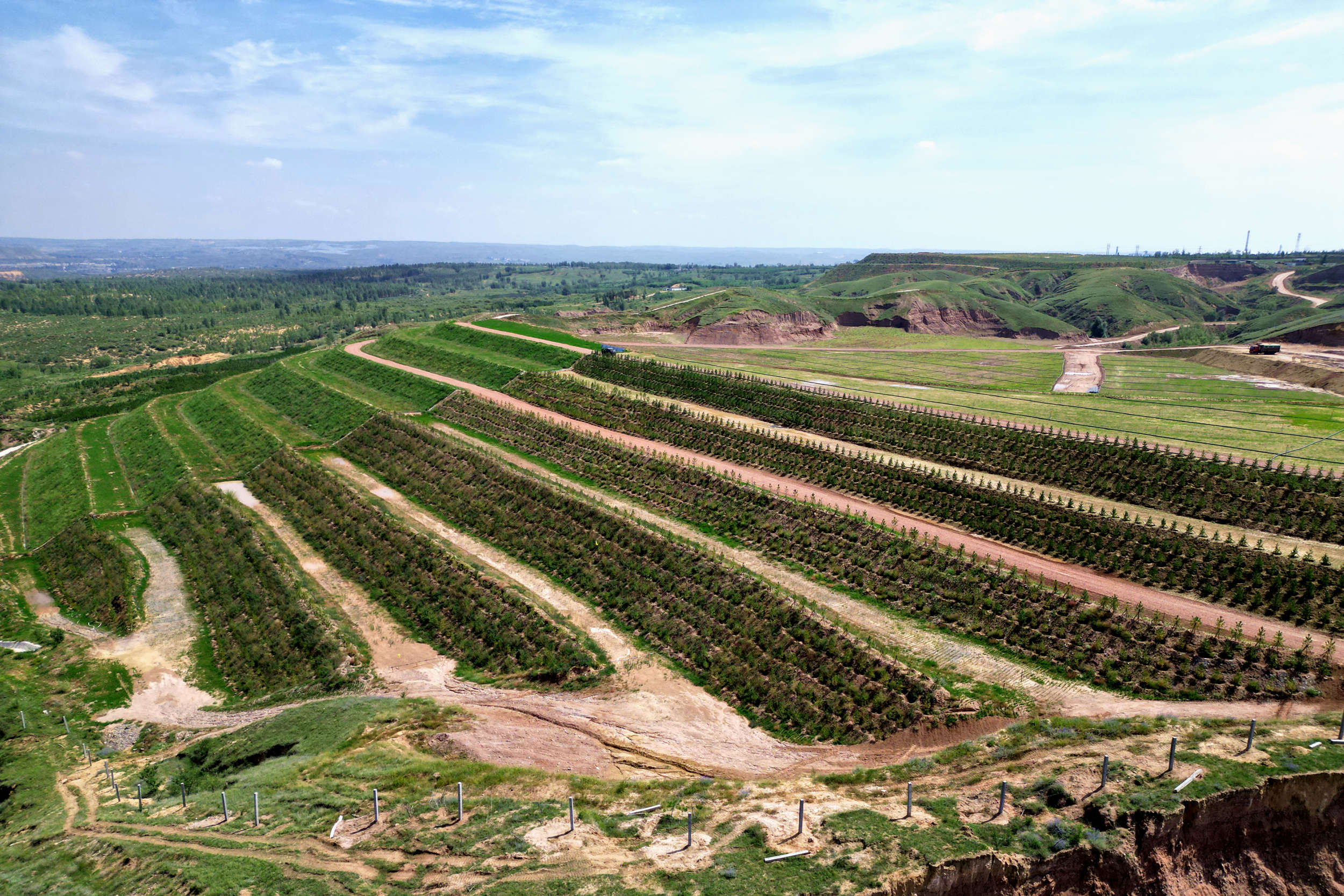
Core Viewpoint - The company is actively transforming coal gangue waste into valuable resources through innovative practices and technologies, aligning with national ecological and high-quality development strategies [1][4][11]. Group 1: Environmental Initiatives - The company has implemented a comprehensive approach to utilize coal gangue, which constitutes 99% of its solid waste, to prevent ecological damage and land occupation [3][4]. - The company has developed various technologies for underground filling and land reclamation, effectively converting 1.59 billion tons of coal gangue into usable land, resulting in 2,725 acres of new land and 1,220 acres of water land [6][10]. Group 2: Technological Innovations - The company has pioneered the use of coal gangue in producing eco-friendly bricks and aggregates, with seven coal gangue brick factories established, producing 540 million bricks annually and utilizing approximately 1.6 million tons of coal gangue [9][10]. - The company has developed a set of technologies for land reclamation and ecological restoration, including the use of modified bentonite and bio-inspired soil filling techniques, which have significantly improved land quality and reduced soil erosion [6][11]. Group 3: Policy Support and Industry Standards - The company has responded to national policies promoting the comprehensive utilization of solid waste, implementing advanced filling techniques that have a capacity of 1.5 million tons per year [4][10]. - The company has contributed to the establishment of industry standards for coal gangue reclamation, filling a gap in the technical guidelines for coal gangue land reclamation in China [10][11].
“改身换命”获新生——山煤国际经坊煤业让煤矸石有了用武之地
Zhong Guo Neng Yuan Wang· 2025-07-23 09:57
Core Viewpoint - The transformation of coal gangue into a new type of building material, coal gangue bricks, by Jingfang Coal Industry represents a significant innovation, turning waste into a valuable resource and addressing environmental concerns [2][21]. Group 1: Product Demand and Market Performance - The new building materials factory of Jingfang Coal Industry has seen a surge in demand, with sales of standard bricks exceeding 36 million units in the first half of the year, a 43.8% increase compared to 2024, generating an additional revenue of over 3.8 million yuan [4][5]. - The bricks made from coal gangue exhibit superior strength and performance compared to traditional bricks, being over three times harder and offering improved moisture resistance, seismic resistance, and weathering resistance [4][13]. Group 2: Historical Context and Challenges - Prior to the establishment of the new building materials factory, coal gangue was treated as waste, with significant costs incurred for its disposal, amounting to over 100 million yuan from the early 1990s until 2004 [9][10]. - The company faced initial challenges in brick production, including issues with raw material purity and inconsistent heating, which were addressed through the implementation of additional quality control measures [15][19]. Group 3: Technological Advancements and Production Capacity - The introduction of a second automated production line in 2008 significantly increased the factory's capacity by 65 million bricks annually, allowing for the processing of over 200,000 tons of coal gangue [17][19]. - Advanced technologies, such as the use of vacuum extrusion and precise temperature control, have improved product quality, with the yield rate rising from 90% to over 98% [18][19]. Group 4: Environmental Impact and Sustainability - The new building materials factory has transformed coal gangue from an environmental burden into a "green asset," contributing to a sustainable production chain that includes pollution control and waste heat recovery [21][25]. - The factory's emissions are now below national ultra-low emission standards, and it has been recognized as a model for environmental compliance by the Ministry of Ecology and Environment [25][27].