牛杂汤

Search documents
“年经济”消费新场景解锁“吃喝游购娱”沉浸式体验 特色美食洋溢幸福感
Yang Shi Wang· 2026-02-06 10:08
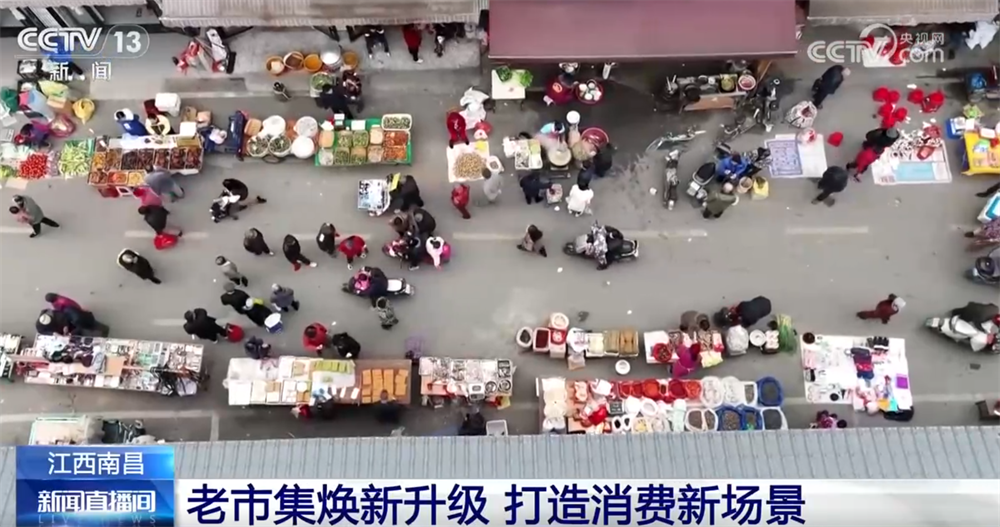
Group 1: Market Transformation - The local market in Sanjiang Town, Nanchang, has undergone a significant upgrade, transforming from a disorganized old market to a distinctive consumption scene, enhancing the shopping experience for consumers [3][9] - The market now features clearly defined functional areas such as vegetable, meat, and seafood sections, with both indoor and outdoor stalls organized to maintain a lively atmosphere while improving cleanliness and order [3][9] Group 2: Cultural Integration - A dedicated cultural street has been created within the market, consolidating food stalls into a fixed area with standardized oil fume purification equipment, preserving local characteristics while ensuring regulated operations [5] - The cultural street can accommodate over 5,000 diners simultaneously, with peak visitor numbers reaching up to 20,000 on market days, showcasing local delicacies and enhancing the cultural experience [5][9] Group 3: Local Product Promotion - The market integrates local specialty products such as Sanjiang radish pickles and handmade rice candy, allowing these regional products to be prominently featured [7] - The transformation of the market has led to increased foot traffic and has become a popular destination for residents and visitors to experience local culture and culinary offerings [9] Group 4: Seasonal Consumer Trends - As the Spring Festival approaches, there is a noticeable surge in consumer activity, with local markets and exhibitions showcasing a variety of seasonal goods and traditional crafts, reflecting the festive spirit [10][12] - The integration of cultural displays and interactive experiences at events like the Inner Mongolia New Year Goods Expo enhances consumer engagement and promotes local heritage [15]

“没有什么情绪价值,是一碗三江早酒给不了的!”
新华网财经· 2025-07-17 02:29
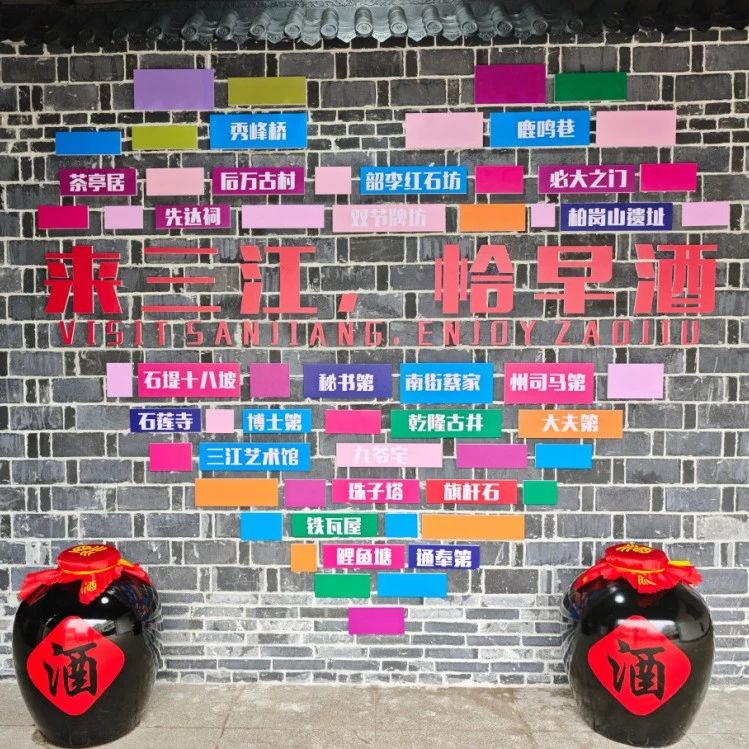
Core Viewpoint - The article emphasizes the cultural significance and revival of the early wine culture in Sanjiang Town, highlighting its role in community bonding and local economy [1][18]. Group 1: Cultural Significance - The phrase "a bowl of sweet early wine, live to ninety-nine" reflects the deep-rooted cultural heritage associated with early wine in Sanjiang [1]. - Early wine serves as a comforting beverage that connects people to their past and enhances the sense of community, whether in moments of joy or solitude [7][24]. Group 2: Economic Impact - Sanjiang has transformed into a vibrant market hub, attracting both locals and tourists, particularly on market days when early wine is a central attraction [9]. - The local government has invested in revitalizing the market by creating an early wine district and promoting local agricultural products, which has contributed to the economic resurgence of the area [16][18]. Group 3: Culinary Experience - The availability of fresh ingredients, such as dew-kissed vegetables and freshly slaughtered meats, enhances the culinary experience associated with early wine, making it accessible and appealing [12][11]. - The combination of early wine with local delicacies fosters a unique dining experience that resonates with both locals and visitors [11][14]. Group 4: Community Revival - The revival of early wine culture has reinvigorated the local community, encouraging those who have moved away to return and engage in local traditions [18][20]. - The establishment of cultural venues, like the Sanjiang Art Museum, showcases creativity and adds a cultural dimension to the rural landscape, attracting more visitors [20][22].
新店开业不足半月营业额翻6倍,小吃店一天翻台十几次 五一南京餐饮生意“猛火爆炒”红红火火
Yang Zi Wan Bao Wang· 2025-05-06 00:08
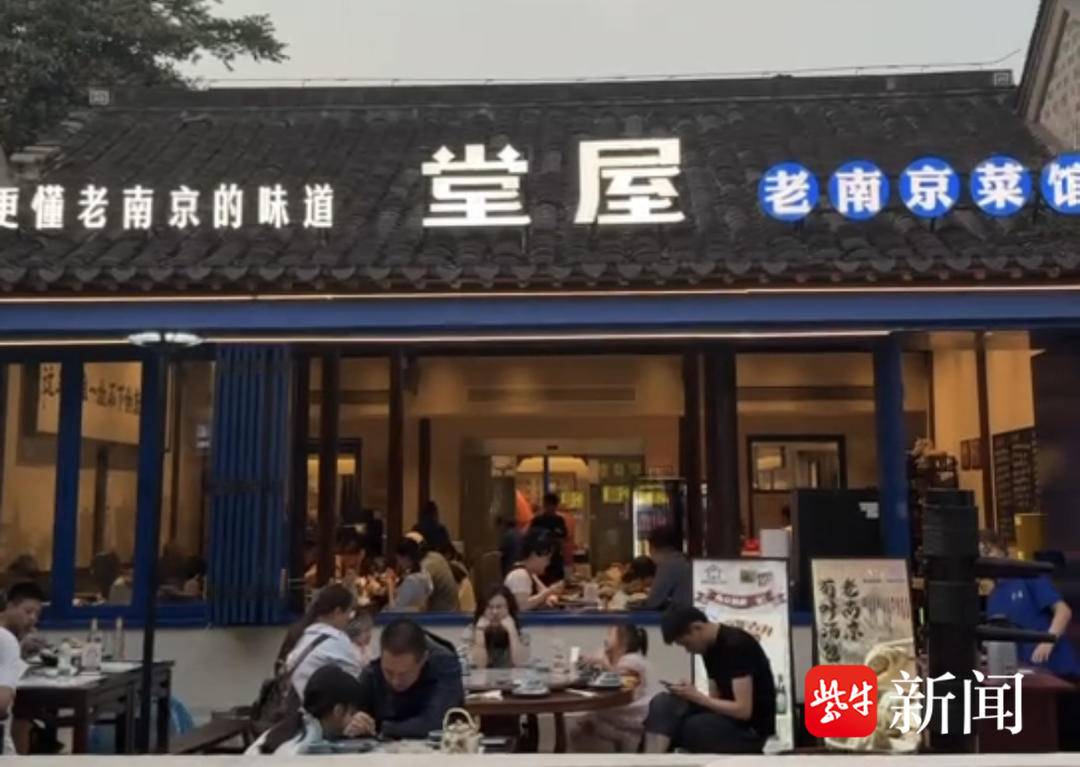
Core Insights - Nanjing's food scene has gained recognition with its recent Michelin listing, attracting more tourists and boosting the local dining market during the May Day holiday [1][3] - The restaurant "Tangwu. Old Nanjing Cuisine" experienced a significant increase in revenue, with earnings during the holiday reaching three to four times higher than its initial opening days [3] - The average spending per person at Tangwu is around 80 yuan, highlighting the affordability and quality of local cuisine [5] Group 1 - Nanjing's dining market saw a surge in business during the May Day holiday, driven by the influx of tourists [1] - Tangwu's new location near tourist attractions quickly became popular, achieving daily revenues of 30,000 to 40,000 yuan during the holiday [3] - The restaurant's success is attributed to its strategic location, good reviews, and a focus on catering to diverse tastes, particularly for northern visitors [3] Group 2 - The average daily sales for Tangwu's original location reached over 70,000 yuan, indicating strong performance in the local dining sector [3] - Local eateries are known for their affordability, with popular dishes priced between 6 to 16 yuan, making them attractive to both locals and tourists [5] - High turnover rates in small eateries during the holiday period demonstrate the demand for quick service and quality food, despite long queues [5]