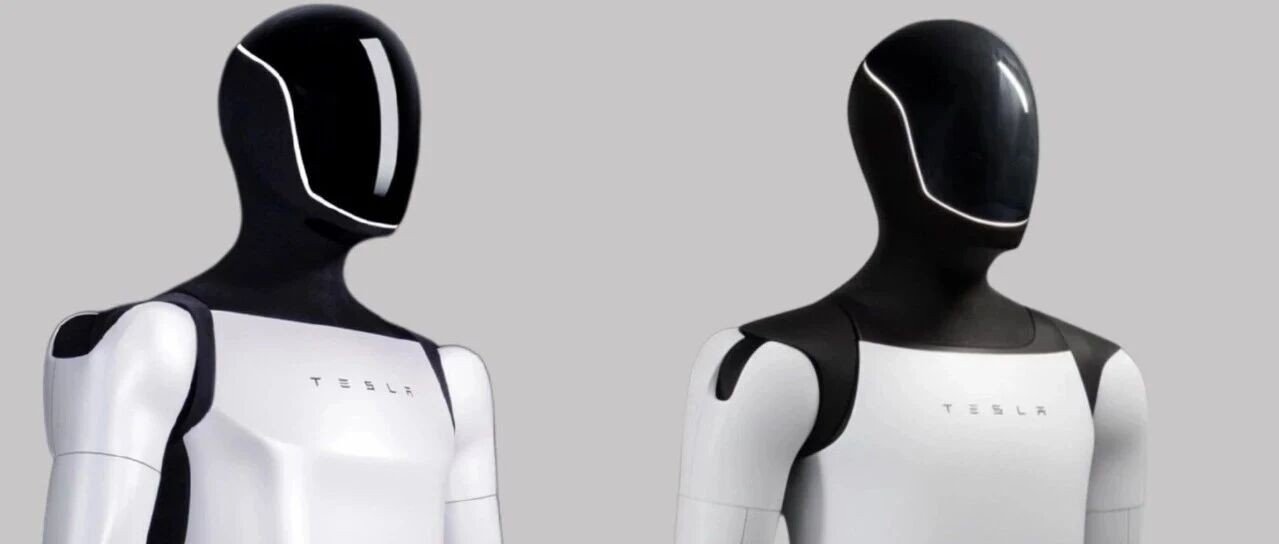
特斯拉Gen2

Search documents
Figure:第二代机器人已参与生产3万辆宝马汽车!机器人ETF(562500) 早盘震荡微涨,四分之三成分股飘红
Mei Ri Jing Ji Xin Wen· 2025-11-20 07:16
Group 1 - The core viewpoint of the news highlights the positive performance of the Robot ETF (562500), which has shown a slight increase of 0.1% in early trading, with a majority of its constituent stocks performing well, indicating a bullish trend in the robotics sector [1] - The ETF has seen significant capital inflow, with four out of the last five trading days recording notable net inflows, reflecting investor confidence in the robotics industry and presenting opportunities for further investment during market corrections [1] - Figure AI's announcement regarding the second-generation humanoid robot, Figure 02, which has participated in the production of 30,000 vehicles at BMW's Spartanburg plant, underscores the practical application and growing integration of robotics in manufacturing [1] Group 2 - CITIC Construction Investment Securities notes that investment in humanoid robots has transitioned from early thematic investment to a growth phase, with significant milestones expected from Tesla's AI prototypes leading to mass production plans by 2026 [2] - The Robot ETF (562500) is the only robot-themed ETF in the market with a scale exceeding 20 billion, covering various segments such as humanoid robots, industrial robots, and service robots, facilitating investor access to the entire robotics supply chain [2]

人形机器人大概要进入第一轮寒冬
自动驾驶之心· 2025-11-03 08:55
Core Viewpoint - The humanoid robot industry is facing significant challenges and may be entering a period of stagnation, with many companies failing to meet expectations and a lack of clear pathways to mass production [3][10]. Industry Performance - Internationally, companies like Tesla are struggling, with the Gen2 model facing overheating and durability issues, leading to a halt in production plans for this year, while Gen3 has been postponed to Q1 next year [3][4]. - Meta's AI chief and Google DeepMind's head have both indicated that true intelligence in humanoid robots is still years away, estimating a timeline of at least 5-10 years before robots can enter the home market [4]. Domestic Market Observations - The domestic market appears to be experiencing a false sense of prosperity, with many orders being reported as non-deliverable or merely framework orders that do not require immediate fulfillment [5][6]. Technological Limitations - Despite advancements in hardware, the industry has not achieved practical widespread application of robots, with AI technology not yet demonstrating the general intelligence needed for humanoid robots [8][9]. - Current AI applications in robotics are limited to specific scenarios and lack generalization capabilities, which could lead to failures in more complex environments like homes [12]. Challenges in Learning and Adaptation - Video learning, while a promising area, has not yet produced results that demonstrate the ability to generalize operations, with many companies still relying on real-world data collection rather than effective video learning techniques [15][17]. Potential Upsides - There are two uncertain factors that could influence the industry positively: 1. The performance of Tesla's Optimus Gen3, which is seen as a potential game-changer if it exceeds expectations [18][19]. 2. The possibility of hardware advancements leading to new market opportunities, as seen with companies like Yushun, which have successfully carved out niches in the entertainment sector [22][23]. Conclusion - The humanoid robot industry may be in a phase of necessary recalibration, similar to the early challenges faced by the electric vehicle sector, where technological advancements continued despite market difficulties [24].


繁华落幕,人形机器人或将进入寒冬
自动驾驶之心· 2025-10-30 00:04
Core Viewpoint - The humanoid robot industry is facing significant challenges and may be entering a period of stagnation due to unmet expectations and technological limitations [4][10][20]. Industry Performance - International companies, such as Tesla, are experiencing setbacks; for instance, Tesla's Gen2 production has been halted due to overheating and durability issues, and Gen3 has been delayed until Q1 of next year [5][20]. - Domestic companies are exhibiting a facade of prosperity, with many orders being mere internal transfers or non-deliverable framework orders [7]. Technological Limitations - Current advancements in AI technology have not yet translated into the expected level of general intelligence in humanoid robots, raising doubts about the industry's future [10][11]. - Specific applications, such as sorting packages and folding clothes, demonstrate limited generalization capabilities, which could lead to failures in more complex environments like homes [14][17]. - Video learning, while touted as a future solution, remains largely in the research phase, with no company successfully demonstrating its practical application for dexterous tasks [19]. Potential Upsides - There are two uncertain factors that could influence the humanoid robot industry's trajectory: 1. The performance of Tesla's Optimus Gen3, which is seen as a potential game-changer; however, if it fails to meet expectations, it could lead to widespread pessimism about the industry [20][22]. 2. The success of companies like Yushun, which have focused on optimizing hardware and exploring entertainment applications, suggesting that even in a downturn, certain segments may continue to thrive [26]. Conclusion - The current state of the humanoid robot industry reflects a period of reevaluation and potential technological advancement, similar to the early challenges faced by the electric vehicle sector [27][28].