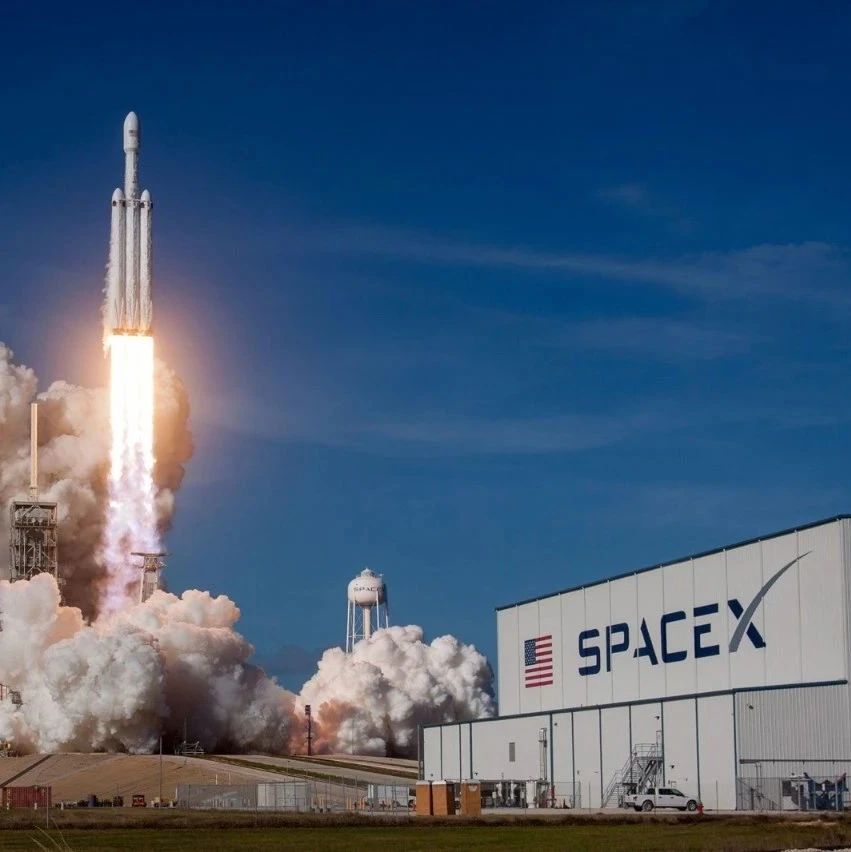
猎鹰9号(Falcon 9)

Search documents
120倍回报、千亿美元浮盈,SpaceX上市的隐藏大赢家竟是它
华尔街见闻· 2026-02-04 11:56
Core Viewpoint - A controversial investment made ten years ago is evolving into one of the most profitable bets in Silicon Valley's history, particularly for Google, which stands to gain significantly from its stake in SpaceX following the acquisition of AI company xAI [2][3][4]. Investment Overview - Google holds approximately 7.4% of SpaceX, with an initial investment of $900 million now potentially valued at $111 billion, representing a return of over 120 times [6][10]. - The investment was made in January 2015 when SpaceX was valued at only $12 billion, and the company faced skepticism regarding its technology and financial viability [7][8]. Growth Trajectory - SpaceX's valuation has skyrocketed from $36 billion in 2020 to a projected $1.5 trillion by the time of its IPO, significantly increasing the value of Google's investment [9]. - Google's financial reports have already reflected an $8 billion gain from the revaluation of its SpaceX stake, which constituted 25% of its net profit in the first quarter [10]. Future Considerations - There is speculation about the potential separate IPO of SpaceX's Starlink division, which could allow investors to benefit from its profitability without the financial burden of SpaceX's Mars colonization plans [11][12][13]. - Regardless of the eventual listing format, Google's investment in SpaceX is poised to be one of the most successful venture capital investments in history [14].



120倍回报、千亿美元浮盈,SpaceX上市的隐藏大赢家——谷歌!
Hua Er Jie Jian Wen· 2026-02-03 12:51
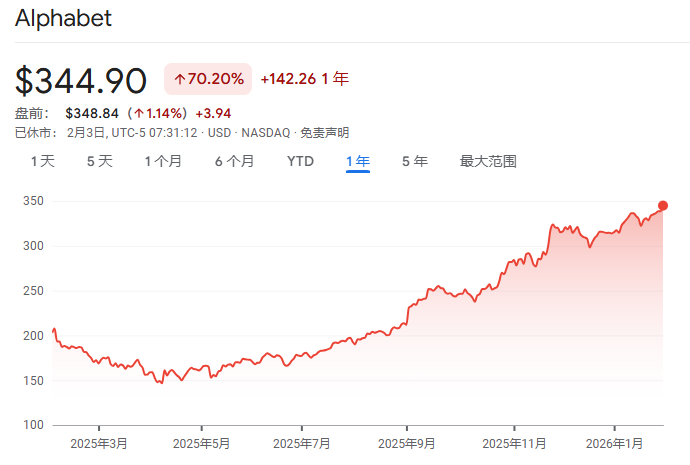
Core Viewpoint - Google's controversial investment in SpaceX a decade ago is evolving into one of the most profitable bets in Silicon Valley history, especially following SpaceX's acquisition of AI company xAI, which positions Google to reap substantial returns from its stake in SpaceX [1] Group 1: Investment Overview - Google, alongside Fidelity, invested $1 billion in SpaceX in January 2015, with Google's share being approximately $900 million, at a time when SpaceX was valued at only $12 billion [2] - The initial skepticism surrounding the investment stemmed from SpaceX's unproven technology and the challenges it faced in establishing a satellite internet service [2] - Despite doubts, Google recognized the potential of SpaceX's monopoly in large-scale space launches and the increasing value of its business model due to rising global data and computing demands [2] Group 2: Financial Implications - If SpaceX goes public at a planned valuation of $1.5 trillion, Google's investment could soar from $900 million to approximately $111 billion, yielding a return of about $123 for every dollar invested [3] - This potential gain has already contributed to Google's financials, with $8 billion recorded as "non-marketable equity securities" in its earnings, representing 25% of its net profit for the first quarter [3] - The realization of this value upon SpaceX's IPO would significantly alter perceptions of Google's investment worth, especially given its current market capitalization of $4.1 trillion and a nearly 70% increase in stock price over the past year [3] Group 3: Future Considerations - Elon Musk has indicated that SpaceX may not go public until after establishing a reliable Mars colonization transport system, which could take many years [6] - However, there is a possibility of a separate IPO for SpaceX's Starlink satellite internet division, which is projected to account for up to 76% of SpaceX's revenue by 2025 [6] - Regardless of the eventual IPO structure, Google's investment in 2015 is poised to be one of the most successful venture capital investments in history [6]
SpaceX获得NASA授予的合同修改权限,并正加速建设“星际基地”;星河动力完成两次谷神星一号发射丨商业航天大事记
创业邦· 2025-03-31 02:53
Core Insights - The article highlights significant developments in the commercial space sector, focusing on SpaceX's advancements and contracts, as well as other companies' activities in the industry [2][3]. SpaceX Developments - NASA awarded SpaceX a modification to its NASA Launch Services II (NLS II) contract, incorporating the Starship into its existing Falcon 9 and Falcon Heavy launch services [4][6]. - The NLS II contract provides a wide range of commercial launch services for NASA's planetary, Earth observation, exploration, and scientific satellites, with a performance period extending to December 2032 [6]. - This contract modification not only secures stable government business for SpaceX but also reinforces its leadership position in the aerospace industry [7]. - SpaceX is actively developing its next-generation facilities at Starbase in Texas to support the Starship's development and launch [8]. - The company plans to develop Starbase into a new registered city, "Starbase City," to support Starship manufacturing and attract top engineering talent [10]. - SpaceX has successfully launched 27 Starlink satellites using the Falcon 9 rocket, expanding its satellite constellation to over 8,100 satellites [11][13]. International Expansion - Vietnam and India have approved SpaceX to provide Starlink satellite internet services, with Vietnam allowing a pilot program until the end of 2030 [14][16]. - The approval in India marks a significant step for Starlink's operations in the country, enabling high-speed internet services for users [16]. New Contracts and Collaborations - Airbus won a contract worth £150 million (approximately 1.41 billion yuan) for the ExoMars lander platform, marking a significant advancement in European space exploration [17][19]. - French startup MaiaSpace signed its first commercial launch contract to provide multiple launch services for Exotrail, with operations expected to begin in 2027 [20][22]. - Constellation Technologies & Operations (CTO) partnered with TDF to advance VLEO 5G services, planning to deploy 1,500 small satellites by 2029 [23][25]. Technological Innovations - Miles Space is testing a new water-fueled plasma thruster, which has shown potential for safe and efficient propulsion in space [33][35]. - Maxar Intelligence launched the "Raptor" drone navigation system, which provides precise navigation without GPS signals [36][38]. - Star Catcher Industries successfully completed ground tests for its space energy transmission service, demonstrating the ability to wirelessly transmit solar energy over 100 meters [39][41]. Funding and Investments - Pangea Aerospace completed a €23 million (approximately $25 million) Series A funding round to accelerate growth in the European propulsion system market [55][57]. - Spanish satellite company Sateliot secured €14 million (approximately $15 million) to expand its LEO satellite constellation, aiming for a total of 250 satellites [58][60].