
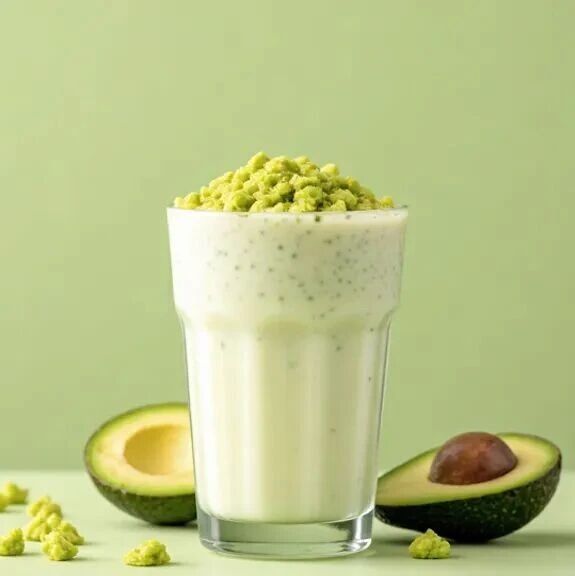
猫山王榴莲奶昔

Search documents
茉酸奶,卖掉了创始人
盐财经· 2025-12-27 10:38
Core Viewpoint - The departure of Zhao Bohua, the founder of Mo Yogurt, marks a significant shift in the company's leadership and raises questions about the underlying reasons for this change, including capital dynamics and operational pressures [4][7][10]. Group 1: Leadership Changes - Zhao Bohua has resigned from all positions, including legal representative, general manager, and board member, while co-founder Gu Hao has taken over as the legal representative with a shareholding increase to 57.14% [4][5]. - The transition appears to be a clean and immediate power handover without a transitional period [5]. Group 2: Market Reactions - The market's initial response has been to search for triggers behind Zhao's departure, with speculation around the entry of new shareholders and operational challenges [6][8]. - Mo Yogurt's store count has decreased from a peak of 1,682 to 1,166, indicating a retreat from aggressive expansion [8]. Group 3: Historical Context - The brand's evolution from its founding in 2014 to its current state reflects a departure from its original vision, with Zhao's exit symbolizing a significant change in direction [10][12]. - Zhao Bohua's background as a dentist contrasts sharply with the sugary beverage industry, highlighting the unique journey of the brand [12]. Group 4: Operational Challenges - In 2023, Mo Yogurt faced controversies over pricing and product quality, leading to a significant decline in sales, particularly in Beijing, where monthly sales dropped by 42% [18][19]. - A series of food safety issues, including the use of expired ingredients, has severely damaged the brand's reputation, resulting in a wave of store closures [18][19]. Group 5: Strategic Shifts - Following the leadership change, Gu Hao has initiated the development of new sub-brands to diversify risk, although these efforts have faced challenges [22][23]. - The company has adjusted its pricing strategy and lowered franchise fees to attract new franchisees, reflecting a response to market pressures [25]. Group 6: Industry Context - The overall growth rate of the new tea beverage market has significantly slowed, indicating a shift towards a more competitive landscape where established brands dominate [26]. - Mo Yogurt's adjustments in pricing and quality control are seen as necessary responses to the intensified competition in the beverage sector [26]. Group 7: Future Directions - Zhao Bohua is reportedly embarking on a new venture in the hot pot industry, suggesting a return to his roots of focusing on product quality and a more measured growth approach [27][28]. - The narrative emphasizes that in the entrepreneurial landscape, a slower, more deliberate approach can often be more sustainable than rapid expansion [28].

创始人离场,君乐宝接盘:现制酸奶龙头能否触底反弹?
Guan Cha Zhe Wang· 2025-12-13 04:01
Core Viewpoint - The recent management changes at the fresh yogurt brand "Mo Yogurt" indicate a significant shift from a founder-led model to one dominated by industrial capital, as the company seeks to address challenges and reshape its strategy in the competitive yogurt market [1][3][9]. Company Changes - Founder Zhao Bohua has completely exited from all positions and shareholder status, with co-founder Gu Hao taking over as the legal representative and holding 57.14% of the shares [1]. - Junlebao Group has increased its stake in Mo Yogurt from 30% to 42.86%, becoming one of the two major shareholders alongside Gu Hao [1][8]. Market Position and Challenges - Mo Yogurt, founded in 2014, grew rapidly to over 1,600 stores at its peak, leveraging a health-focused brand image with products like avocado yogurt smoothies [3][6]. - The brand faced significant backlash in 2023 due to high pricing and allegations of using inferior ingredients, leading to a damaged reputation [3][4]. - A food safety crisis in 2024, involving expired ingredients and improper storage practices, further harmed the brand's image and resulted in store closures [4][6]. Strategic Shift - The management transition aims to pivot from aggressive expansion to a focus on supply chain development and product quality, with Junlebao's involvement expected to enhance brand credibility and operational efficiency [7][9]. - Junlebao's investment is seen as a strategic move to secure a stable distribution channel for high-end dairy products, especially in first-tier cities [8]. Future Outlook - The integration of Junlebao's traditional supply chain practices with Mo Yogurt's fast-paced marketing and franchise model presents a management challenge that will need to be navigated carefully [10]. - The success of this strategic shift will be critical in determining whether Mo Yogurt can recover and achieve sustainable growth in a post-consumer investment bubble environment [10].
