玉熊

Search documents
“玉”见中华文明——155件(组)珍贵玉器亮相中国考古博物馆
Ren Min Ri Bao Hai Wai Ban· 2026-02-12 04:03
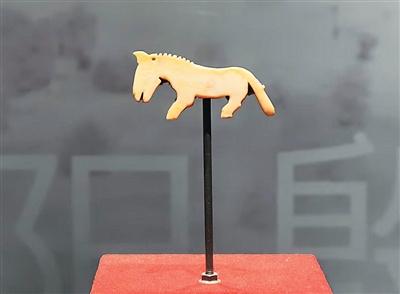
Core Viewpoint - The exhibition "Jade Culture and Chinese Civilization" showcases 155 precious jade artifacts from the Chinese Academy of History, spanning from the Neolithic era to the Ming and Qing dynasties, illustrating the evolution of jade culture in China [1] Group 1: Evolution of Jade Culture - The use of stone tools in China dates back over a million years, with jade emerging as a significant material during the Neolithic era, transcending its functional use to become a unique cultural artifact [2] - The first chapter of the exhibition, "Jade from the East," highlights jade artifacts from the Xinglongwa culture, marking the transition from stone to jade craftsmanship [2][4] - The exhibition includes four chapters: "Jade from the East," "Jade Witnesses Civilization," "Jade Gifts to the World," and "Jade Enriches China," outlining the development of jade culture and its integration into Chinese identity [4] Group 2: Key Artifacts and Their Significance - The exhibition features jade artifacts from the tomb of Fu Hao in Anyang, including two jade horses, which are the earliest known representations of horses in China [5] - Fu Hao's tomb contained 755 jade artifacts, showcasing the advanced craftsmanship of the Shang dynasty, with realistic animal forms and intricate details [5][6] - A kneeling jade figure from Fu Hao's tomb, dating back approximately 5,000 years, exemplifies the intricate artistry of the period [6][7] Group 3: Technological Integration in Cultural Presentation - The exhibition introduces a mixed reality (MR) interactive experience called "The Amazing Archaeological Team: Seeking Jade," allowing visitors to engage with virtual artifacts and participate in immersive archaeological tasks [8] - Technology is utilized to enhance visitor understanding of the artifacts, providing interactive displays that offer detailed descriptions and excavation contexts [9]

“玉”见中华文明
Ren Min Ri Bao Hai Wai Ban· 2026-02-11 22:49
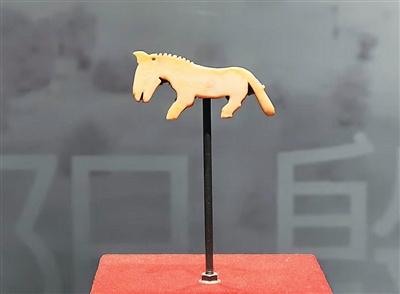
Core Viewpoint - The exhibition "Jade Culture and Chinese Civilization" showcases 155 precious jade artifacts from the Chinese Academy of History, spanning from the Neolithic era to the Ming and Qing dynasties, illustrating the evolution of jade culture in China [1] Group 1: Evolution of Jade Culture - The use of stone tools in China dates back over a million years, with jade emerging as a significant material during the Neolithic era, transcending its functional use to become a unique cultural artifact [2] - The first chapter of the exhibition, "Jade from the East," highlights jade artifacts from the Xinglongwa culture, marking the transition from stone to jade craftsmanship [3] - The exhibition includes three additional chapters: "Jade Witnesses Civilization," "Jade Gifts to the World," and "Jade Enriches China," which collectively outline the development of jade culture and its integration into Chinese identity [3] Group 2: Notable Artifacts - The exhibition features a jade horse from the tomb of Fu Hao, which is considered the earliest known jade representation of a horse, showcasing the craftsmanship of the Shang dynasty [4] - Fu Hao's tomb contained 755 jade artifacts, representing a wide variety of types and exquisite craftsmanship, highlighting the advanced jade carving techniques of the Shang dynasty [4] - The exhibition also includes a kneeling jade figure, intricately carved and dating back to around 5000 years ago, reflecting the artistic styles of the Hongshan culture [5][6] Group 3: Technological Integration - The exhibition incorporates a mixed reality interactive experience called "The Amazing Archaeological Team," allowing visitors to engage with virtual representations of jade artifacts, enhancing their understanding of the cultural significance [7] - This innovative approach aims to make the artifacts more relatable and accessible to the audience, bridging the gap between ancient history and modern technology [8]
虚拟金铲“挖”出玉宝贝 传统文化有了新表达——中国历史研究院珍藏玉器展开幕
Xin Lang Cai Jing· 2026-02-05 23:23
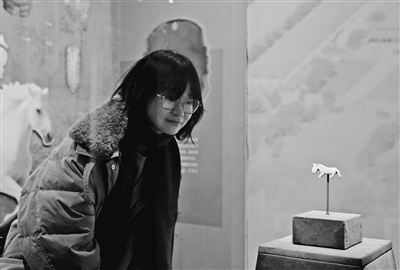
Core Viewpoint - The exhibition "Jade Culture and Chinese Civilization" showcases the significance of jade artifacts in the development of Chinese civilization, utilizing modern technology to enhance traditional cultural expressions [3][4][6]. Group 1: Exhibition Overview - The exhibition opened on February 5 at the China Archaeological Museum, featuring 155 precious jade artifacts from the Chinese Academy of History, spanning from the Neolithic era to the Ming and Qing dynasties [3][4]. - It aims to illustrate the evolution of jade from a ritualistic object to a symbol of royal power, etiquette, and moral character, integrating into the spiritual fabric of the Chinese nation [4]. Group 2: Interactive Experience - An interactive mixed-reality project titled "The Amazing Archaeological Team: Seeking Jade" allows visitors to engage in a virtual excavation experience, enhancing their connection with the artifacts [3][5]. - The project emphasizes interactivity, incorporating scoring and honor levels, where participants not only excavate but also protect and collect virtual artifacts [6]. Group 3: Featured Artifacts - Notable artifacts include a jade horse from the tomb of Fu Hao, representing the earliest known horse imagery in China, and a skull with a jade ornament, highlighting early connections between jade culture and primitive beliefs [4][5]. - The exhibition presents a collection of animal-shaped jade artifacts, showcasing the exquisite craftsmanship of the late Shang dynasty [4].
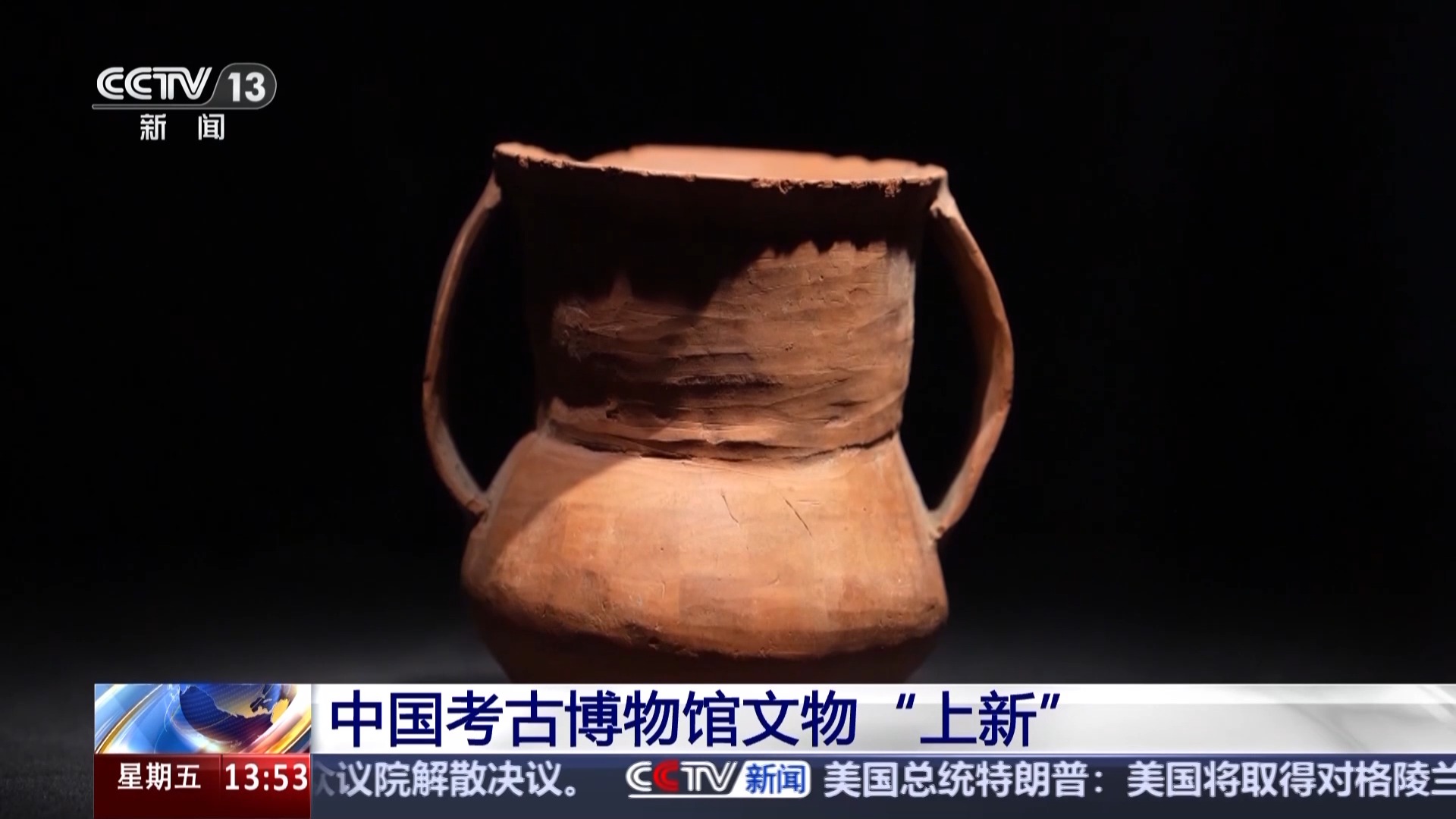
串联7000多年历史文化发展脉络 中国考古博物馆文物“上新”
Yang Shi Xin Wen· 2026-01-23 07:08
Core Insights - The article highlights the recent addition of new artifacts at the China Archaeological Museum, showcasing over 7,000 years of historical and cultural development through the colors and styles of the artifacts. Group 1: Artifact Highlights - A red circular-bottomed pottery bowl from the Dadiwan culture, dating back 7,000 years, was unearthed at the Baijia site in Lintong, Shaanxi [1] - A double-eared painted pottery jar from the Qijia culture, dating back 4,200 to 3,600 years, was found at the Liuwan site in Qinghai, featuring a black and red grid pattern [1] - A yellow stone axe from the Erlitou culture, dating back 3,800 to 3,500 years, symbolizes military power [3] Group 2: Notable Artifacts from Different Eras - A light green jade bear, approximately 3,000 years old from the Shang Dynasty, was discovered in the tomb of Fu Hao, reflecting the Shang people's reverence for jade [5] - A covered bronze vessel from the Western Zhou period, inscribed with 39 characters, was excavated from the Zhangjiapo Western Zhou cemetery in Shaanxi, providing significant historical value regarding Zhou rituals and social life [7] - A Han Dynasty bronze plaque depicting wrestlers and horses, along with a Tang Dynasty "Ji" character phoenix brick, exemplifies the artistic style of the Tang era [9] Group 3: Cultural Significance - The newly added artifacts, particularly the Hebei Wanzhang Northern Dynasties mural tomb figurines, reflect the cultural integration of the Northern and Southern Dynasties through their clothing and horse gear [11] - The exhibition of these artifacts is organized chronologically in the main hall of the China Archaeological Museum and is open to the public for free [11]