科技赋能传统文化

Search documents
新春走基层丨老庙会新玩法,非遗如何圈粉年轻人?
Xin Hua She· 2026-02-26 11:37
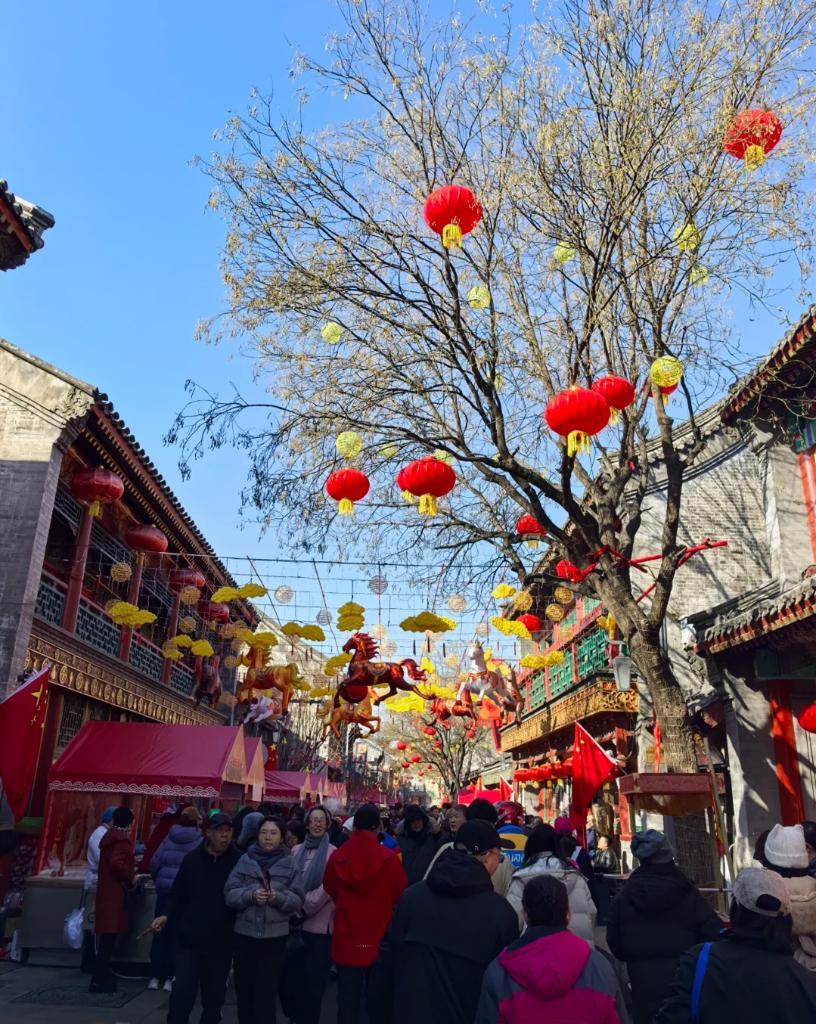
Core Viewpoint - The article highlights the transformation of the Changdian Temple Fair into a vibrant cultural event that appeals to younger generations, blending traditional elements with modern experiences and technology. Group 1: Cultural Significance - The Changdian Temple Fair, with over 400 years of history, has evolved to attract young visitors, becoming a popular destination during the Spring Festival [1][4] - The fair features traditional cultural elements, but this year, it has adopted a more youthful approach, showcasing innovative designs from time-honored brands [4] Group 2: Interactive Experiences - The fair introduced various interactive activities, allowing young attendees to engage actively rather than just observe, creating a new way to enjoy the Spring Festival [5] - Activities such as traditional games and performances by costumed characters have revitalized ancient customs, making them more accessible and enjoyable for visitors [5] Group 3: Thematic Activities - The "Searching for the Changdian Horse" event encourages visitors to explore the fair while learning about Chinese horse culture through an artistic scavenger hunt [8] - The "Horse Show" area features traditional performances like shadow puppetry, allowing audience interaction, which enhances the overall experience [9] Group 4: Technological Integration - The incorporation of technology, such as a humanoid robot performing at the opening ceremony, adds a futuristic element to the traditional fair [10] - Special tech-driven items, like a 3D phone sticker, engage younger audiences and encourage social media interaction, blending heritage with modern trends [10]

(文化中国行)驭科技之翼传千年之韵 马年春晚落幕
Xin Lang Cai Jing· 2026-02-17 09:08
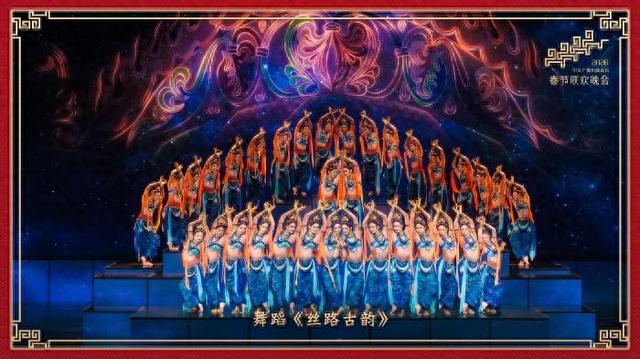
Group 1 - The Spring Festival Gala, themed "Galloping Steeds, Unstoppable Momentum," integrated technology, culture, and contemporary spirit, creating a memorable visual feast for the Year of the Horse [1] - The performance "Galloping Sea Horse" showcased the vastness of nature through traditional Mongolian songs, emphasizing the harmony between humans and nature [1] - The use of cutting-edge visual technology allowed for a modern expression of traditional culture, exemplified by the digital revival of Xu Beihong's "Six Steeds" in the song "Song of the Wind" [2] Group 2 - The creative show "Goddess of Flowers" blended time and space, using AI-generated floral scenes that changed in real-time, enhancing the traditional lunar calendar culture [4] - Robots performed alongside human artists in various segments, including martial arts, showcasing a deeper integration of technology into the gala's performances [5] - The international expression of traditional culture was highlighted through creative acrobatics and dance, merging Chinese and Austrian artistic elements [8] Group 3 - The gala featured performances from multiple locations, enhancing its geographical dimension, with unique presentations from Harbin, Hefei, Yibin, and Yiwu [8] - The event concluded with a rich tapestry of emotions, reflecting themes of family and hometown connections, marking the transition from the Year of the Snake to the Year of the Horse [8]
“玉”见中华文明
Ren Min Ri Bao Hai Wai Ban· 2026-02-11 22:49
Core Viewpoint - The exhibition "Jade Culture and Chinese Civilization" showcases 155 precious jade artifacts from the Chinese Academy of History, spanning from the Neolithic era to the Ming and Qing dynasties, illustrating the evolution of jade culture in China [1] Group 1: Evolution of Jade Culture - The use of stone tools in China dates back over a million years, with jade emerging as a significant material during the Neolithic era, transcending its functional use to become a unique cultural artifact [2] - The first chapter of the exhibition, "Jade from the East," highlights jade artifacts from the Xinglongwa culture, marking the transition from stone to jade craftsmanship [3] - The exhibition includes three additional chapters: "Jade Witnesses Civilization," "Jade Gifts to the World," and "Jade Enriches China," which collectively outline the development of jade culture and its integration into Chinese identity [3] Group 2: Notable Artifacts - The exhibition features a jade horse from the tomb of Fu Hao, which is considered the earliest known jade representation of a horse, showcasing the craftsmanship of the Shang dynasty [4] - Fu Hao's tomb contained 755 jade artifacts, representing a wide variety of types and exquisite craftsmanship, highlighting the advanced jade carving techniques of the Shang dynasty [4] - The exhibition also includes a kneeling jade figure, intricately carved and dating back to around 5000 years ago, reflecting the artistic styles of the Hongshan culture [5][6] Group 3: Technological Integration - The exhibition incorporates a mixed reality interactive experience called "The Amazing Archaeological Team," allowing visitors to engage with virtual representations of jade artifacts, enhancing their understanding of the cultural significance [7] - This innovative approach aims to make the artifacts more relatable and accessible to the audience, bridging the gap between ancient history and modern technology [8]

多彩贵州擘画旅游目的地新图景
Xin Lang Cai Jing· 2026-02-05 09:58
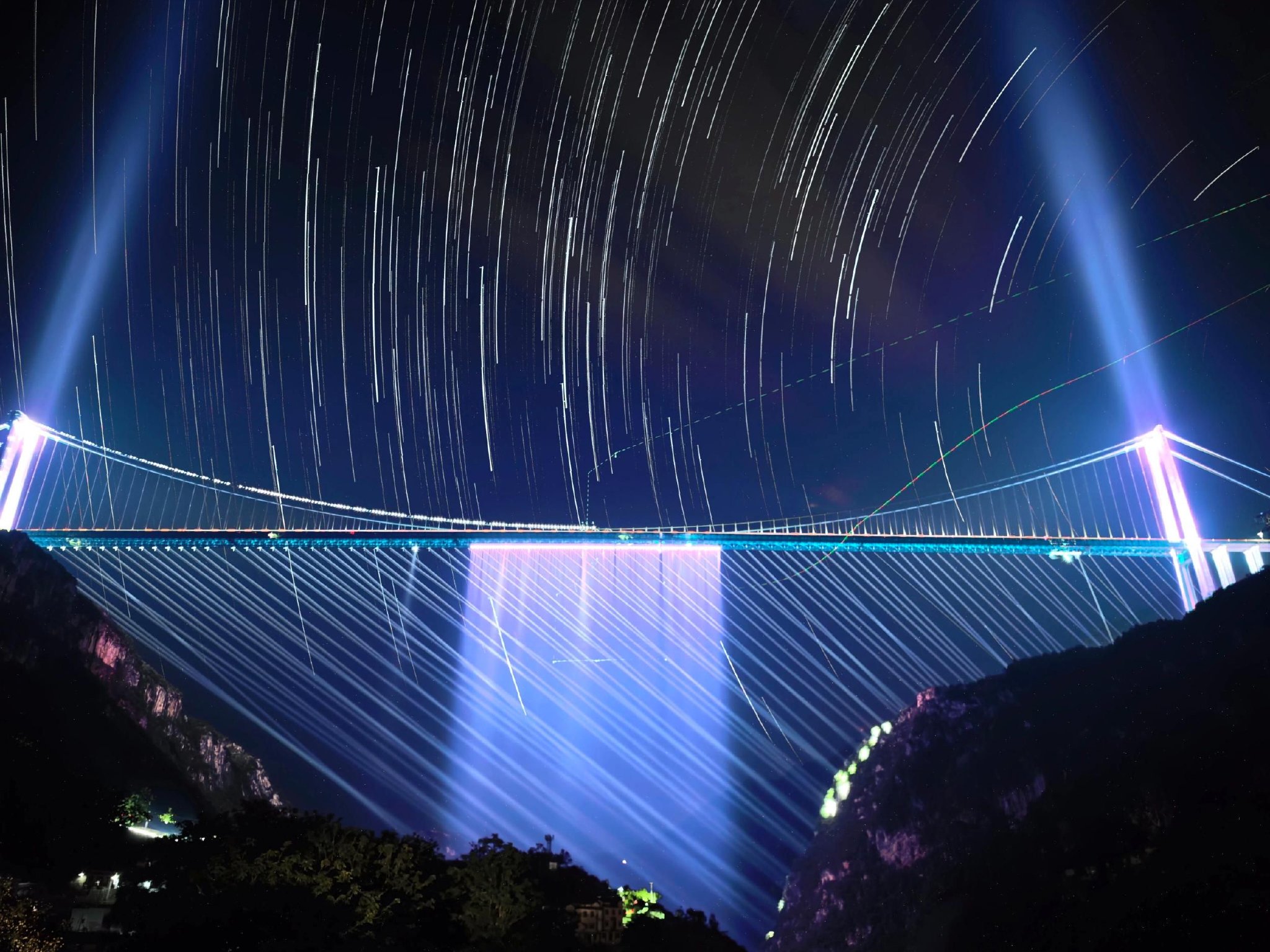
Core Insights - Guizhou is transforming its tourism image through innovative approaches, integrating technology and cultural experiences to attract visitors [1] Group 1: Tourism Development Strategies - Guizhou is breaking the traditional "single attraction" model by implementing a "cooperative development" strategy, exemplified by the success of ticket packages that connect major attractions with lesser-known villages and cultural workshops [3] - The introduction of free admission policies for specific groups, effective from 2026, signals a shift from a reliance on "ticket economy" to a focus on "comprehensive economy" in tourism [3] - The diversification of tourism products is responding to the market's demand for personalized and immersive experiences, targeting younger audiences with extreme sports and adventure activities [3] Group 2: Technological Integration - Technology is becoming a key enabler for traditional culture, creating immersive experiences through AI interactions and holographic displays in cultural venues [4] - The integration of traditional performances, such as "Iron Flower," with drone shows highlights the potential of night-time economy and enhances visitor engagement [4] - Guizhou is positioning itself on the global tourism stage, with over 1,500 representatives from the global tourism industry gathering in Guiyang to discuss inbound tourism cooperation, indicating growth in the inbound tourism market [4] Group 3: Future Outlook - Guizhou aims to evolve into a world-class tourist destination, leveraging its natural beauty and cultural richness while inviting global visitors [4] - The province is focusing on internal resource integration and global outreach, creating a vibrant tapestry of ecological and cultural experiences [4]
《印象·妈祖》观演破300万人次,科技赋能传统文化“出圈”
Xin Lang Cai Jing· 2025-12-12 03:17
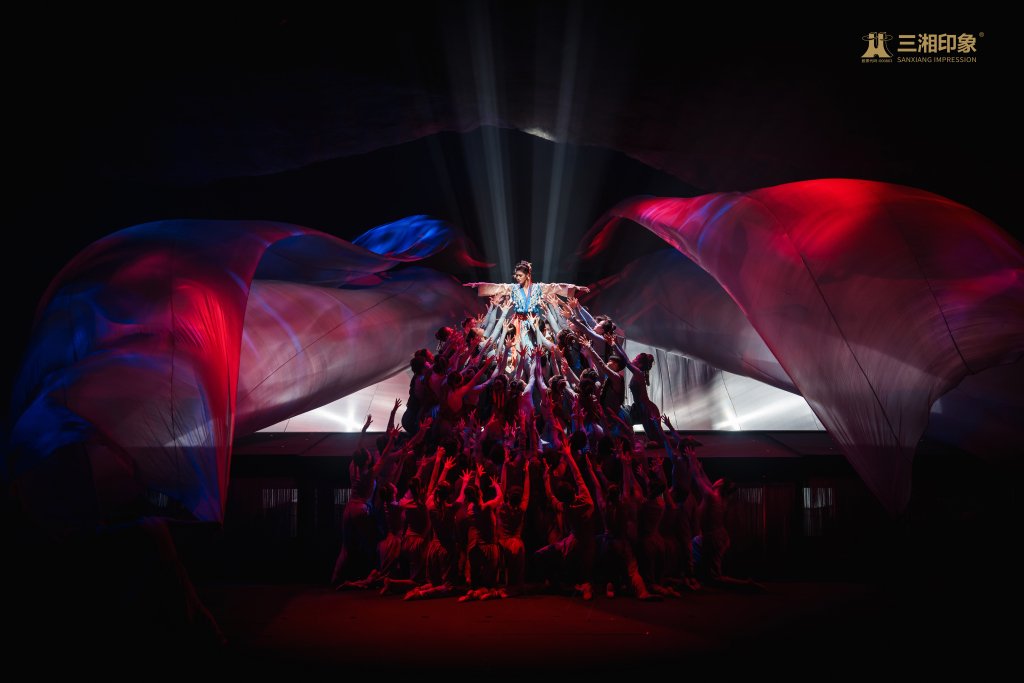
Core Insights - The Mazu Cultural Tourism Zone on Meizhou Island has achieved a record of over 3 million visitors in a year, marking a historical high since its establishment [1] - The cultural performance project "Impression Mazu," developed by Sanxiang Impression, has been a key driver in attracting and retaining tourists, significantly boosting local night tourism and cultural consumption [1] - A new round of upgrades for "Impression Mazu" is set to enhance the audience experience starting December 11, focusing on optimizing performance equipment, stage effects, and content details [1] Group 1: Cultural Significance - "Impression Mazu" is a collaborative project between Sanxiang Impression and the Meizhou Island Management Committee, set to grandly launch on October 1, 2024, in Putian, Fujian [3] - The project utilizes XR technology and innovative parallel illusion concepts to create a rich viewing experience, allowing audiences to engage with Mazu's cultural heritage and history [3] - Mazu culture, recognized as a significant part of China's intangible cultural heritage by UNESCO in 2009, is being revitalized through modern interpretations, enhancing cultural confidence [3][6] Group 2: Technological Innovation - The performance incorporates advanced technologies such as XR, digital fog systems, and holographic projections, creating a captivating and technologically advanced stage [5] - The "Lingjing" AR glasses, designed for the performance, allow multiple viewers to experience synchronized augmented reality, enhancing the immersive experience [5] - The integration of technology in "Impression Mazu" exemplifies the creative transformation of traditional culture, making Mazu culture more accessible and engaging [6][8] Group 3: Spatial and Conceptual Innovation - The "parallel" concept introduced in "Impression Mazu" breaks temporal boundaries, allowing for multi-dimensional storytelling and audience engagement [8] - The venue's design facilitates dual functionality, serving both as a theater and a conference space, optimizing urban space utilization [8] - This innovative approach positions "Impression Mazu" as a leading example in the cultural tourism sector, contributing to the high-quality development of local cultural tourism [8]
科技赋能,让万里长城“活”起来
Ren Min Wang· 2025-09-05 16:03
Core Viewpoint - The "Wonders of the Great Wall" immersive theater, utilizing cutting-edge technologies like XR, AI, and digital avatars, represents a significant step in the digital transformation of cultural tourism, bringing the Great Wall to life and enhancing cultural storytelling [1][4]. Group 1: Cultural Heritage and Challenges - The Great Wall and its associated stories and culture have deeply influenced generations of Chinese people, emphasizing the importance of preserving and promoting this heritage [3]. - Traditional methods of showcasing historical culture struggle to attract modern audiences, particularly the younger generation, due to the fast-paced nature of contemporary life [3]. - The rise in popularity of immersive and customized tourism experiences presents both challenges and opportunities for cultural storytelling and heritage transmission [3]. Group 2: Technological Innovation and Cultural Transmission - Leveraging advanced resources and technologies for cultural heritage transmission is both necessary and urgent, with the "Wonders of the Great Wall" theater serving as a proactive exploration in this area [4]. - The immersive theater allows visitors to experience the Great Wall's history firsthand, enhancing their understanding and appreciation of traditional culture [4]. - The integration of technology, culture, and intellectual property (IP) creates new opportunities for tourism experiences and market growth in the cultural sector [4]. Group 3: Examples of Digital Innovation - Similar innovative projects include the "Digital Dunhuang" initiative, which preserves and shares the exquisite murals of the Mogao Caves, and the "Digital Palace Museum" program, which allows virtual tours of the Forbidden City [5]. - These initiatives break down physical barriers and expand traditional cultural transmission pathways, making it easier for people to engage with and understand cultural heritage [5]. - The call for more institutions and individuals to embrace technology in cultural heritage preservation is emphasized, with suggestions for increased government support and proactive engagement from cultural organizations [5]. Group 4: Future Directions - The vast array of world-renowned cultural IPs across China can be revitalized through technology and innovation, ensuring that traditional culture and tourism development reach new heights [6].