玉言

Search documents
陈天桥重出江湖
投资界· 2026-01-14 08:32
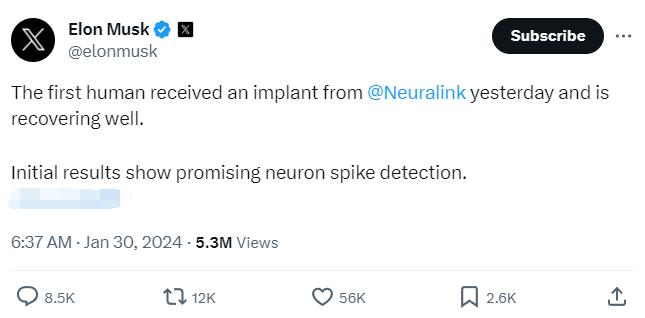
Core Viewpoint - The article discusses the return of Chen Tianqiao, a prominent figure in the Chinese internet industry, who is now focusing on brain-computer interface (BCI) technology and artificial intelligence (AI) research, marking a significant shift in his career and investment strategy [4][15]. Group 1: Chen Tianqiao's Return and Investments - Chen Tianqiao announced a $1 billion investment in computing power to support global AI research, emphasizing his commitment to advancing scientific discovery through AI [4][15]. - He co-founded "Gestalt," the first domestic ultrasound brain-computer interface company in China, which aims to develop non-invasive BCI technology [8][9]. - Chen's approach contrasts with Elon Musk's invasive BCI strategy, focusing instead on a non-invasive method that poses fewer ethical and safety concerns [9][19]. Group 2: AI and Brain Science Integration - Chen Tianqiao's new company "Tanka" is defined as a communication platform integrating AI with long-term memory capabilities, aiming to redefine organizational management in the AI era [9][10]. - He believes that AI should execute tasks while humans take responsibility for outcomes, highlighting a shift in the role of leadership in organizations [9][11]. - The integration of brain science and AI is seen as a potential pathway to understanding human cognition and emotional regulation, creating new opportunities for innovation [20]. Group 3: Historical Context and Personal Journey - Chen's interest in brain science began after experiencing panic attacks during his peak career, prompting him to explore the workings of the human brain [12][13]. - Over the past decade, he has invested in brain science research, establishing the Tianqiao Brain Science Research Institute (TCCI) with a $1 billion donation, focusing on understanding and treating brain diseases [14][15]. - His return to the public eye is characterized by a long-term vision, aiming to build a comprehensive chain from basic research to commercial application in the fields of brain science and AI [19][20].

陈天桥重回战场
创业邦· 2026-01-13 03:44
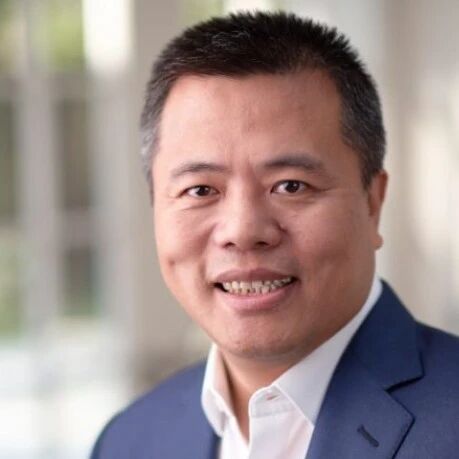
Core Viewpoint - The article discusses the return of Chen Tianqiao, a prominent figure in the Chinese internet industry, who is now focusing on brain-computer interface (BCI) technology and artificial intelligence (AI) through his new ventures, Gestalt and Tanka, emphasizing a long-term vision in these fields [5][6][30]. Group 1: Chen Tianqiao's Return and Investments - Chen Tianqiao announced a $1 billion investment in computational power to support global AI-driven scientific research during a conference in San Francisco [5][23]. - His new company, Gestalt, focuses on non-invasive ultrasound brain-computer interfaces, contrasting with Elon Musk's invasive approach [11][12]. - Tanka, another venture, aims to create a communication platform that integrates AI with human decision-making, redefining organizational management in the AI era [15][16]. Group 2: Brain-Computer Interface Technology - The article highlights the contrasting approaches to BCI technology, with Musk's Neuralink pursuing invasive methods and Gestalt opting for a non-invasive strategy [11][12]. - Gestalt's approach is described as more complex and challenging, aiming for a comprehensive understanding of brain functions without the risks associated with surgical procedures [12][30]. - The potential for Gestalt and Tanka to collaborate could lead to significant advancements in understanding human cognition and emotional regulation [34]. Group 3: Long-term Vision and Challenges - Chen Tianqiao's strategy is characterized by a commitment to long-term research and development in brain science and AI, moving away from traditional business models [30][31]. - The challenges of clinical translation in BCI technology are noted, with timelines often extending over a decade and facing strict ethical and regulatory scrutiny [31][33]. - The article suggests that the intersection of brain science and AI could create new opportunities for innovation and understanding of human behavior [34].
陈天桥重回战场
3 6 Ke· 2026-01-13 00:08
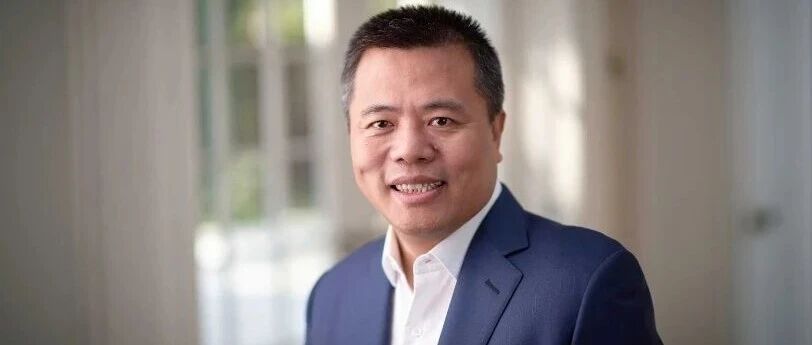
Core Insights - Chen Tianqiao, the founder of Shengda Group and a prominent figure in the internet era, has made a significant return to the public eye by announcing a $1 billion investment in AI-driven scientific research, emphasizing the role of AI in driving scientific discovery [1][11] - The establishment of "Gestalt," a non-invasive ultrasound brain-computer interface company, marks a strategic shift in the approach to brain-computer interfaces, contrasting with Elon Musk's invasive methods [5][6] - Chen's new AI-native company, Tanka, aims to redefine organizational management in the AI era, proposing a model where AI executes tasks while humans take responsibility for outcomes [7][19] Investment and Research Initiatives - Chen Tianqiao announced a $1 billion investment to support global scientists in innovative AI research during a conference attended by leading scholars and industry leaders [1][11] - The TCCI (Tianqiao Brain Science Research Institute) has funded research that has been published in top journals, focusing on key areas such as serotonin mechanisms and neural circuits [10] Technological Approaches - "Gestalt" focuses on a non-invasive approach to brain-computer interfaces, utilizing external ultrasound to stimulate and regulate the brain, aiming for safer and broader brain coverage [5][6] - In contrast, Neuralink's invasive method involves implanting electrodes directly into the brain, which presents high risks and ethical challenges [4][6] Strategic Vision - Chen Tianqiao's strategy diverges from traditional business models by aiming for a comprehensive integration of brain science and AI, rather than merely enhancing existing business operations with AI [17][18] - The dual focus on brain science and AI is intended to create a new ecosystem that enhances understanding of human cognition and emotional regulation [18][19] Historical Context - Chen's shift towards brain science was influenced by personal experiences with panic attacks, prompting a deep exploration of the human brain and its functions [9][10] - His previous success in the internet industry contrasts sharply with his current focus on foundational research and long-term applications in brain science [13][17]