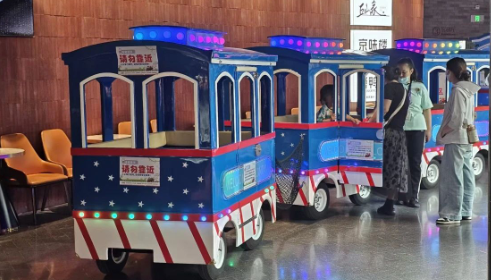
环球影城门票

Search documents
北京:年轻人乐享“追着票根薅羊毛”
Zhong Guo Xin Wen Wang· 2025-12-02 07:58
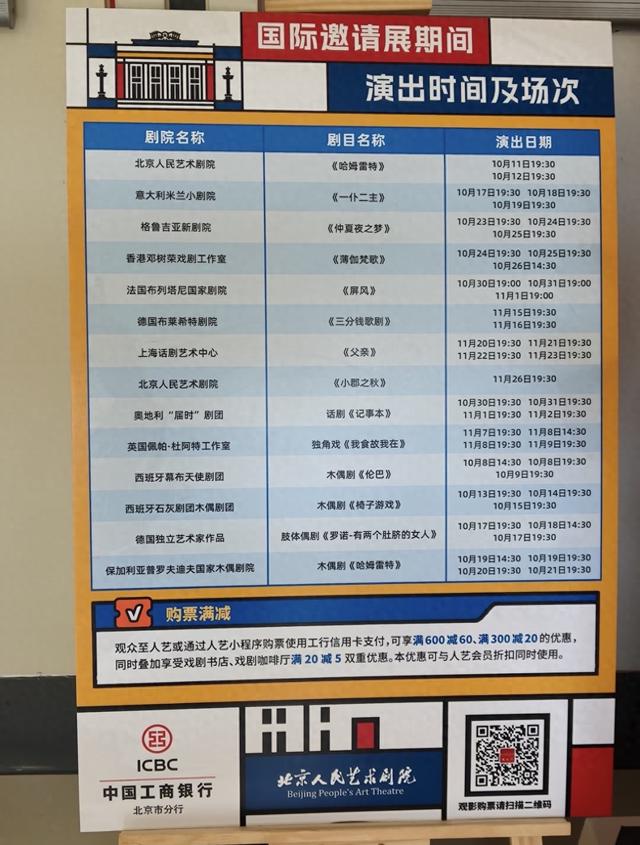
Core Insights - The "ticket root economy" in Beijing is gaining popularity among young people, allowing them to enjoy various discounts and benefits linked to their event tickets, enhancing their overall experience and saving money [1][5]. Group 1: Movie Ticket Benefits - The "2025 Beijing Midsummer Film Festival" has activated weekend activities for moviegoers, enabling them to use their movie tickets for discounts at cafes and restaurants [2][3]. - Participants can enjoy significant savings, such as a 7.5% discount on a popular drink and additional discounts on merchandise when using their movie ticket stubs [2]. - The ongoing promotional activities are updated bi-weekly, providing a variety of options for consumers to explore [3]. Group 2: Theater Ticket Rewards - The Beijing International Drama Invitation Exhibition offers additional rewards for attendees, such as the ability to collect stamps on ticket stubs for redeeming prizes, including tickets to Universal Studios [4]. - Attendees are actively participating in the stamp collection, with a limited number of high-value prizes available, creating a competitive atmosphere [4]. - The integration of ticket stubs with promotional activities has led to unexpected benefits for theatergoers, enhancing their overall experience [4]. Group 3: Sports Event Ticket Advantages - Attendees of the WTT China Grand Slam in Beijing can enjoy various discounts on accommodation, transportation, and dining by using their event tickets [5]. - Discounts on hotel stays can reach up to 20%, and free transportation options are available for attendees, significantly reducing overall travel costs [5]. - The "ticket root economy" is transforming event tickets into keys for diverse consumer experiences, fostering collaboration among businesses and enhancing the urban consumption ecosystem [5].
调查|北京消费新玩法:追着票根“薅羊毛”,吃喝玩乐都能省
Bei Jing Ri Bao Ke Hu Duan· 2025-12-02 02:31
Core Insights - The "ticket root economy" in Beijing is creating a multi-faceted consumption experience by linking various sectors such as dining, accommodation, transportation, and entertainment through ticket discounts, particularly appealing to young consumers [1][11]. Group 1: Movie Ticket Benefits - Movie tickets are being utilized to unlock discounts at cafes and restaurants, enhancing the overall experience for consumers like Sun Xiaoyu, who has found significant savings through these promotions [2][3]. - Discounts include 7.5% off on drinks and additional savings on merchandise, demonstrating the tangible benefits of retaining movie tickets [2][3]. - The ongoing promotional activities are updated bi-weekly, providing a variety of options for consumers to explore and enjoy [3]. Group 2: Theater Ticket Advantages - Theater tickets are part of a rewards program where attendees can collect stamps for attending performances, leading to additional benefits such as free tickets to attractions like Universal Studios [4][6]. - The program has generated excitement among theatergoers, with limited rewards prompting early participation to secure benefits [8]. - Consumers like "Li Zi" have reported significant savings, with the ability to exchange theater tickets for valuable rewards, enhancing their overall cultural experience [8][9]. Group 3: Sports Event Ticket Perks - Sports event tickets provide discounts on accommodations and transportation, making it easier for budget-conscious consumers, particularly students, to enjoy events without overspending [9][10]. - The availability of free shuttle services for event attendees further enhances the value proposition of attending sports events, allowing for cost-effective travel [10]. - Overall, the integration of ticket discounts into various aspects of travel and leisure has made events more accessible and enjoyable for consumers [10][11].

5A景区为什么干不过商场小火车?
虎嗅APP· 2025-05-27 14:09
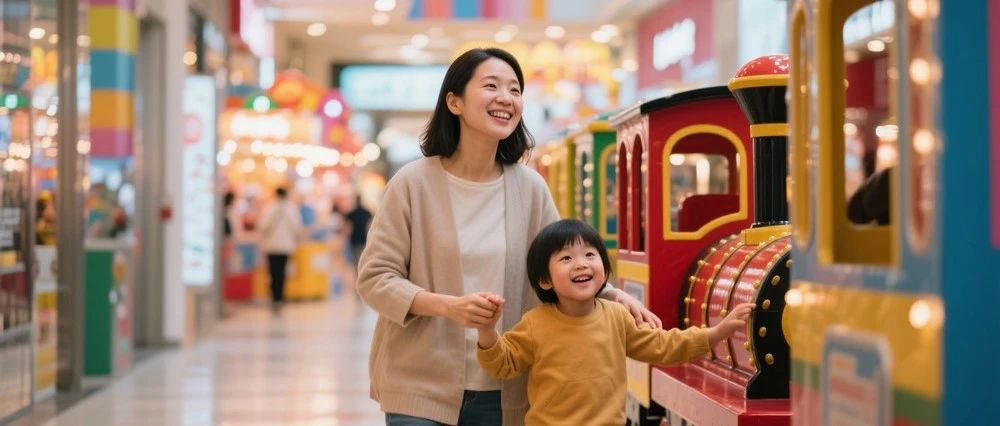
Core Viewpoint - The article discusses the increasing trend of families opting for shopping malls over traditional tourist attractions, highlighting the financial burden and emotional toll on parents while emphasizing the need for 5A scenic spots to adapt to modern family needs [25][40][46]. Group 1: Financial Aspects - A typical outing to a shopping mall can cost around 400 yuan, which includes various activities and fees, often leading to a feeling of being financially drained [16][22]. - In contrast, tickets to major attractions like Disneyland and Universal Studios are priced at 475 yuan and 418 yuan respectively, indicating that mall activities can sometimes be more expensive than these renowned parks [18][20]. Group 2: Consumer Behavior - Parents are increasingly choosing shopping malls for convenience, as they offer a variety of activities in a controlled environment, making it easier to manage children [25][31]. - The article notes that many parents feel overwhelmed by the logistics of taking children to natural attractions, leading them to prefer nearby malls for quick entertainment [30][40]. Group 3: Industry Insights - The article suggests that 5A scenic spots are losing appeal due to low per capita spending, with examples showing that some attractions have a per capita consumption lower than local tea shops [33][35]. - It emphasizes that the focus should shift from merely being a scenic spot to becoming a "weekend task-solving center" that caters to the needs of families [46]. Group 4: Recommendations for Scenic Spots - Scenic spots should enhance the visitor experience by providing immersive and engaging activities that allow children to participate actively, rather than just observing [47]. - Improving service quality, such as clear signage, clean facilities, and efficient food service, is crucial to reduce stress for parents and enhance their overall experience [51][52].
5A景区为什么干不过商场小火车?
Hu Xiu· 2025-05-25 02:56
Group 1 - The article highlights the increasing costs associated with children's entertainment in shopping malls, comparing them unfavorably to theme parks like Disney and Universal Studios [15][16][20] - It discusses the emotional and financial toll on parents who feel compelled to spend money on activities that do not provide lasting value or satisfaction [14][21][41] - The piece suggests that shopping malls have become the default choice for family outings due to convenience, despite the high costs and low perceived value of the experiences offered [23][30][41] Group 2 - The article critiques the low per capita spending at major tourist attractions, such as the 5A scenic spots, indicating a disconnect between visitor numbers and revenue generation [32][34] - It emphasizes the need for these attractions to adapt and provide more engaging experiences that cater to the needs of families, particularly mothers seeking enjoyable outings for their children [44][50][56] - The piece calls for a shift in focus from merely being tourist destinations to becoming "weekend task-solving centers" that prioritize family-friendly experiences [48][60]