理想Livis眼镜

Search documents
定价才是AI眼镜的核心科技
3 6 Ke· 2025-12-29 03:56
Core Insights - The article discusses the emerging market for AI glasses, highlighting the uncertainty consumers face when considering a purchase in the price range of 2000 to 4000 yuan, while also noting a shift in mindset from skepticism to curiosity about the potential benefits of owning such technology [1][2]. Group 1: Consumer Perspectives - Consumers are primarily interested in the practical functionalities that AI glasses can offer, such as discreet multi-tasking capabilities [2][3]. - Users have reported various applications for AI glasses, including reading long texts without drawing attention and enhancing navigation experiences while cycling [4][5]. - The ability to capture moments seamlessly and the efficiency of using AI glasses over handheld devices are emphasized as significant advantages [6]. Group 2: Market Dynamics - The AI glasses market is characterized by intense competition, with major players like Xiaomi, Baidu, and Quark entering the space, leading to a "hundred glasses battle" scenario [10][11]. - Differentiation among products is crucial, with some glasses integrating deeply with existing digital ecosystems, such as Quark's integration with Alipay for payment functionalities [12][15]. - Pricing strategies reflect the technological capabilities and supply chain quality, with three main price tiers identified: below 2000 yuan for audio glasses, 2000-3000 yuan for display glasses, and above 3000 yuan for AR immersive glasses [20][22]. Group 3: Technological Integration - The integration of advanced technologies and supply chain management is vital for the success of AI glasses, with companies like Quark leading in this area by collaborating with established optical firms to enhance product quality [22][23]. - The article suggests that consumers are willing to pay a premium for better technology integration and quality control, indicating a market still in its infancy with significant growth potential [23][24]. Group 4: Future Outlook - The AI glasses market is currently small, with less than 300 million units shipped compared to 2.5 billion smartphones in the same period, suggesting room for growth as consumer habits evolve [23][25]. - The purchase of AI glasses is framed as an investment in future lifestyle changes, positioning them as a new technological option rather than a necessity [26][27].


理想也做AI眼镜了,小鹏、蔚来、小米还不速速跟进?
3 6 Ke· 2025-12-08 12:01
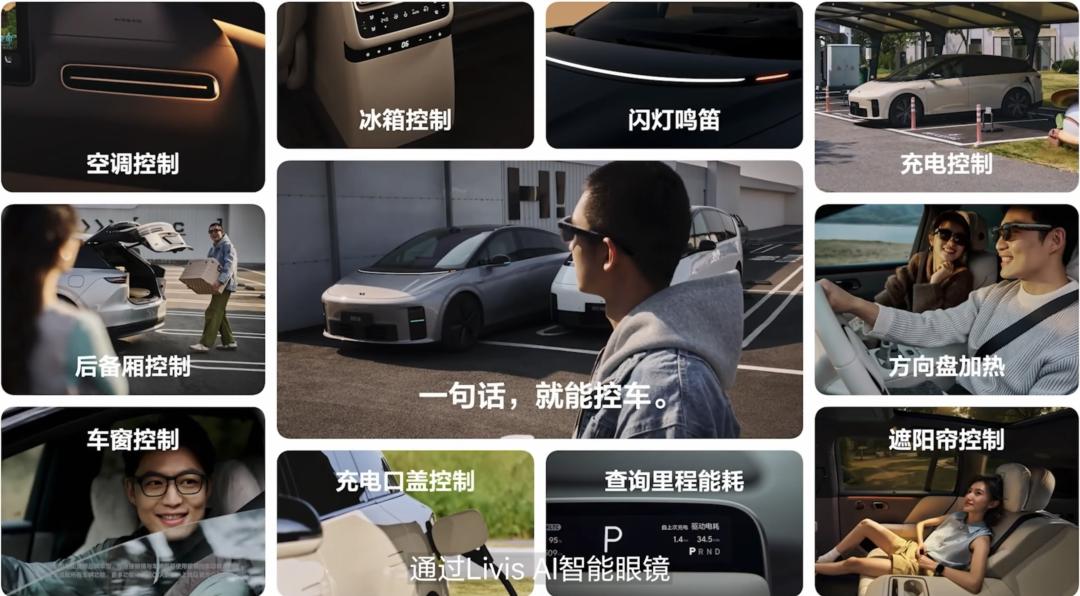
Core Insights - The AI glasses market is experiencing a significant transformation, moving from obscurity to a bustling industry, indicating a paradigm shift in consumer electronics [1] - Companies are exploring AI glasses as a natural extension of user interaction, particularly in automotive applications, where hands-free control enhances user experience [4][12] - The potential for AI glasses to facilitate a new wave of interaction and data collection is substantial, as they can provide real-time, personalized experiences without disrupting existing user habits [7][8] Group 1: Market Potential and User Demand - AI glasses have the potential to initiate a new paradigm shift similar to that of smartphones, as they address a fundamental user need for convenience and functionality [3] - The historical context of glasses as a long-standing accessory suggests a higher "necessity" level compared to smartphones, making AI glasses a viable candidate for mainstream adoption [3] - The increasing interaction with AI in daily life positions AI glasses as an ideal interface, allowing for seamless integration into user routines without requiring significant behavioral changes [7][8] Group 2: Technological Advancements - The development of AI and AR glasses is being driven by advancements in display technology, enabling immersive experiences that traditional screens cannot provide [5][6] - Companies like Ideal are leveraging advanced AI models to enhance user interaction, focusing on real-time, multi-modal communication that mimics natural human conversation [15][16] - The integration of sophisticated hardware, such as the 恒玄2800 chip, allows for low power consumption and rapid response times, crucial for effective voice interaction [16][18] Group 3: Competitive Landscape - The success of products like Meta's Ray-Ban demonstrates the importance of brand positioning and user experience in the AI glasses market, highlighting the need for quality improvements and streamlined user interfaces [30][31] - Emerging players are exploring niche markets, such as high-level executives, by offering lightweight, discreet designs that enhance productivity without interrupting workflows [31][32] - The AI glasses market is not limited to traditional use cases; they are being positioned as versatile tools for various applications, including vehicle control, live streaming, and personal assistance [32][33]