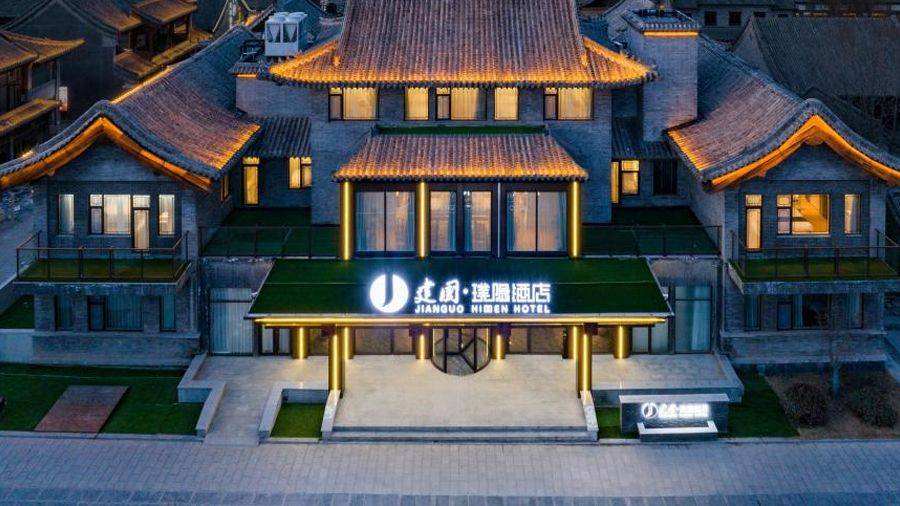
璞隐酒店

Search documents
中高端市场成酒旅“价值高地”,首旅如家如何以文化撬动破局?
Di Yi Cai Jing· 2025-09-17 10:34
Core Viewpoint - The "2025 Puyin New National Trend Cultural Festival" organized by Shoulu Rujia Hotel Group aims to integrate traditional cultural heritage with hotel experiences, promoting a sustainable ecosystem of "intangible cultural heritage + hotels" [2][3] Company Summary - Shoulu Rujia Hotel Group is leveraging its hotel platform to connect culture and accommodation, with a focus on enhancing the guest experience through cultural activities [2][3] - The company has launched a "Cultural Heritage Support Plan" to revitalize traditional culture and integrate it with mid-to-high-end accommodation experiences [2] - As of June 2025, Puyin has established 55 stores across major cities, with nearly 6,400 rooms and over 150 stores in the pipeline, creating a network of "Eastern Aesthetic Accommodation" [3][6] - In the first half of 2025, the revenue from mid-to-high-end hotels accounted for 60.47% of total hotel revenue, reflecting a year-on-year increase of 1.06 percentage points [9] Industry Summary - The mid-to-high-end hotel segment is becoming a core growth engine for the hotel industry, with a projected compound annual growth rate (CAGR) of 21.1% from 2019 to 2024, outpacing other segments [2][7] - The rise of cultural experiences in hotels is driven by a new generation of consumers who prioritize lifestyle and emotional resonance over cost [7][10] - The integration of cultural experiences into hotel offerings is seen as a key operational strategy to enhance investment returns, transforming cultural experiences from a cost item to a value-added item [10] - The mid-to-high-end hotel market is expected to continue its growth trajectory, with a forecasted CAGR of 10.1% from 2024 to 2029 [7]


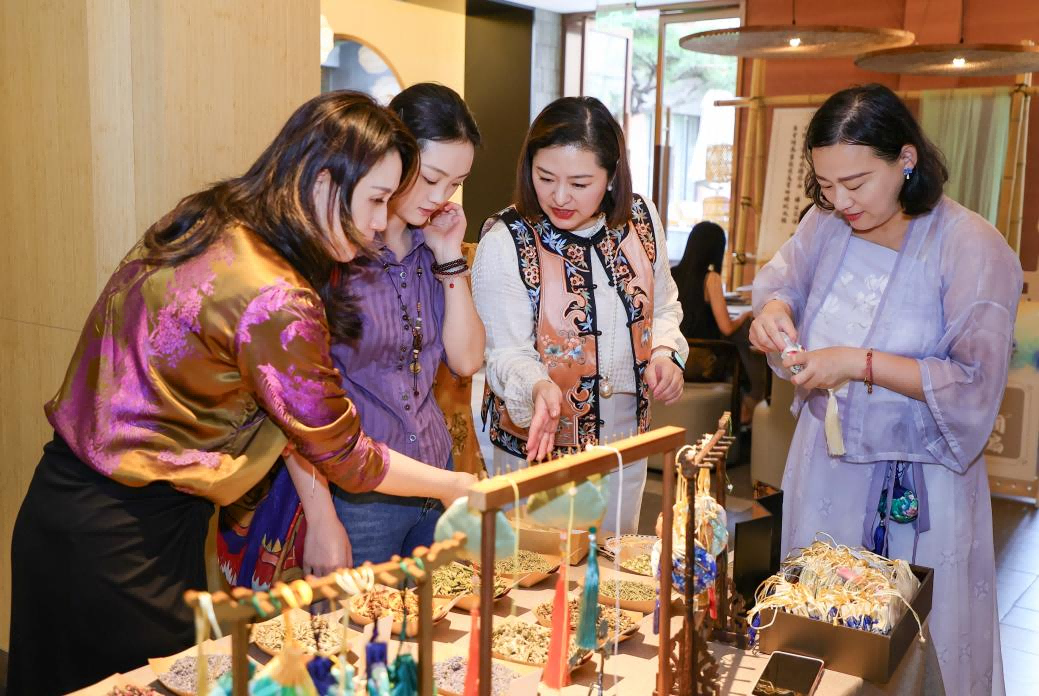
从“卖一晚住宿”到“售一段人生”, 反标准化的中国酒店在觉醒
Guan Cha Zhe Wang· 2025-09-12 08:52
Core Insights - The integration of culture and tourism in China is driving the transformation of the hotel industry, with "Cultural + Hotel" strategies becoming essential for high-quality development in the sector [1][13] - Cultural immersive hotels are emerging as a significant growth area, with a growth rate 2.3 times that of traditional hotels and an average room price 34% higher than traditional counterparts [2][10] Group 1: Cultural Immersion in Hotels - Cultural immersive hotels focus on integrating cultural themes into various aspects such as space design, service processes, and experiential activities, providing guests with a multi-sensory and emotionally resonant lodging experience [2][9] - Unlike traditional hotels that prioritize standardization and efficiency, cultural immersive hotels emphasize personalization, emotional engagement, and content richness [2][10] - Successful cultural immersive hotels require a deep integration of cultural elements into every aspect of the guest experience, moving beyond mere decoration to create a holistic cultural environment [12][14] Group 2: Market Demand and Competitive Advantage - The rise of cultural immersive hotels is driven by changing market demands, as contemporary consumers seek experiences that offer cultural depth and emotional resonance rather than just functional accommodation [10][11] - Cultural immersive hotels can effectively target high-value customer segments, enhance overall revenue through premium pricing, and stimulate organic marketing through guest sharing on social media [10][11] - The unique cultural experiences provided by these hotels can significantly enhance guest memory and loyalty, leading to higher repeat visitation rates compared to traditional hotels [10][11] Group 3: Challenges and Future Prospects - The development of cultural immersive hotels is still in an exploratory phase, facing challenges in balancing commercial viability with cultural authenticity [13][14] - The future of cultural immersive hotels appears promising, as they play a crucial role in cultural transmission and enhancing local identity and pride [11][13] - Achieving a successful cultural immersion experience requires careful service design that encourages guest participation and interaction, ensuring that cultural elements resonate meaningfully with visitors [12][14]
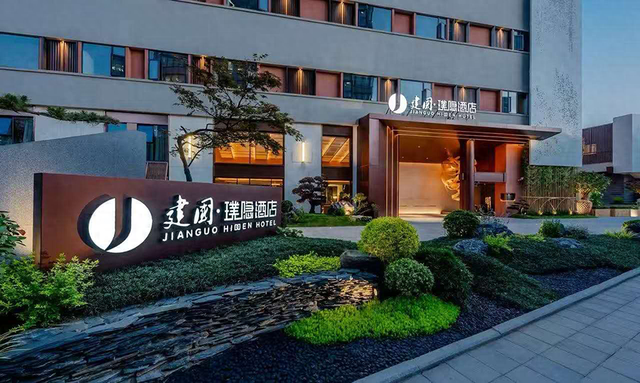
如家「五一」洞察:呈消费升级、下沉崛起、情绪驱动三大趋势
Sou Hu Cai Jing· 2025-05-09 07:13
Core Insights - During the May Day holiday in 2025, the hotel market experienced significant growth, with trends indicating consumption upgrades, the rise of lower-tier markets, and emotion-driven travel experiences [2][3] Group 1: Hotel Performance - The occupancy rate of the Home Inn Group reached 101% on the peak day of May 2, with the number of fully booked hotels increasing by nearly 50% compared to the previous year [3] - From April 30 to May 4, the total number of fully booked hotel nights exceeded 6,000, marking a growth of approximately 43% [3] - Mid-to-high-end hotels saw a 6% increase in occupancy rates compared to the previous year, highlighting their market potential as consumers increasingly seek quality accommodations [3] Group 2: Market Trends - The average occupancy rate exceeded 90% in 105 cities, including both traditional tourist destinations and emerging smaller cities, indicating a diverse choice of travel destinations [4] - The top five cities in terms of RevPar during the peak days were Qingzhou, Jingdezhen, Leshan, Kaifeng, and Zhangzhou, showcasing the emergence of lower-tier cities as new travel hotspots [4] Group 3: Targeting Young Consumers - Young travelers are shifting from traditional sightseeing to immersive experiences, seeking emotional connections rather than just functional accommodations [6] - Home Inn Group engaged young consumers through various activities, including partnerships with popular events like the Taihu Bay Music Festival, attracting over 130,000 attendees [6][7] - The "Local Life" initiative provided free value-added experiences, creating emotional connections with young guests through diverse activities during the holiday [6][7]