生态康养旅游

Search documents
黑龙江省旅游经济的机制驱动与路径突破
Jin Rong Shi Bao· 2026-01-19 01:40
Core Viewpoint - The high-quality development of the tourism economy in Heilongjiang Province is essential for the province's economic growth and aligns with the national strategy for sustainable development, despite facing challenges such as seasonal dependency and weak regional collaboration [1][3]. Group 1: Current Status and Driving Mechanisms - Heilongjiang Province has experienced rapid growth in its tourism economy, with 1.8 billion visitors and a tourism expenditure of 250.18 billion yuan in the first eight months of 2025, marking increases of 11.9% and 21.2% respectively compared to the previous year [3]. - The province boasts rich tourism resources, including 110 scenic spots rated 4A and above, and 27 S-level ski resorts, contributing to its reputation as a major tourist destination [3]. - The driving mechanism for tourism growth includes a collaborative framework of resource endowment, policy support, and market demand adaptation, creating a virtuous cycle of development [5][6]. Group 2: Challenges to High-Quality Development - The tourism industry in Heilongjiang faces significant seasonal dependency, with 81.1% of tourist spending concentrated in peak seasons, leading to underutilization of facilities during off-peak times [7]. - There is a lack of regional collaboration, with administrative barriers hindering resource integration and marketing efforts, limiting the potential for a cohesive tourism experience [8]. - Financial support for the tourism sector is inefficient, with traditional lending models failing to meet the unique needs of small and medium-sized tourism enterprises, exacerbating funding challenges [9]. Group 3: Recommendations for Improvement - To enhance tourism efficiency, it is recommended to develop a "year-round, all-region" product system that includes diverse seasonal offerings and a comprehensive tourism network [12]. - Strengthening regional collaboration through unified marketing platforms and cross-regional tourism projects can enhance the economic impact of tourism [13]. - Improving financial support mechanisms by creating specialized credit systems and innovative financial products tailored to the tourism sector can address funding gaps and support sustainable growth [14].
成都市“1+3+7”协同打造全国银发经济产业新高地
Xin Hua Cai Jing· 2025-11-02 00:57
Core Viewpoint - Chengdu is focusing on the development of the silver economy, with specific strategies and initiatives being implemented in its districts to create a comprehensive ecosystem for elderly care and health services [1][2][3] Group 1: Chengdu's Silver Economy Development - Chengdu's Wenchuan District is establishing a multi-level service system for elderly care, including high-end health care, inclusive elderly care, and community-based home care [1] - Wenchuan District has 18 elderly care institutions with over 6,600 operational beds, leading the city in registered bed numbers [1] - The district is cultivating a robust industrial ecosystem that integrates health care, green food, and equipment manufacturing, with 68 enterprises in the silver economy sector projected to generate over 16.5 billion yuan in revenue in 2024 [1][2] Group 2: Strategic Planning and Initiatives - Wenchuan District has incorporated the silver economy into its "3+6" modern industrial system, focusing on key sectors such as elderly medicine, rehabilitation aids, functional foods, cell therapy, and anti-aging medical aesthetics [2] - Longquanyi District is developing a silver economy framework that emphasizes home and community-based services, elderly health care, and ecological wellness tourism [2][3] - Longquanyi District has initiated four major actions to support the silver economy, including foundational platform development, scenario expansion, industrial strengthening, and project implementation, with over 10 billion yuan allocated for 25 key projects [3] Group 3: Future Outlook and Goals - Chengdu aims to create a national-level high-standard silver economy industrial park, with Wenchuan, Jinjiang, and Wuhou Districts as primary hubs and Longquanyi and Dujiangyan as collaborative development areas [3] - The city is pursuing a multi-point layout and differentiated development strategy to accelerate the formation of a silver economy industrial cluster, targeting this emerging market [3]
“中国最冷小镇”呼中:前7个月游客数量和旅游花费均同比增32%
Zhong Guo Xin Wen Wang· 2025-09-10 10:58
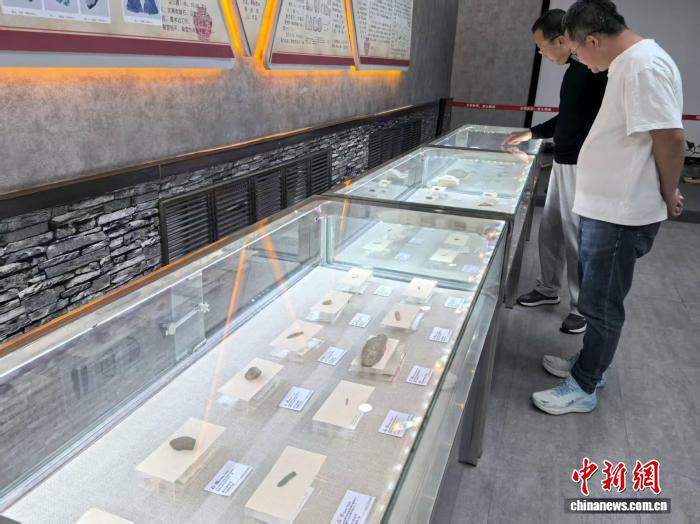
Core Insights - The "coldest town in China," Huzhong District, has seen a 32% year-on-year increase in both tourist numbers and spending from January to July this year [1] Group 1: Tourism Growth - Huzhong District is experiencing a peak in tourist flow during the autumn season, with significant growth in visitor numbers and expenditures [1] - The increase in tourism is attributed to the region's unique ecological and cultural attractions, including the natural beauty of the Daxing'anling area [1] Group 2: Cultural and Historical Significance - The Beishan Cave archaeological site in Huzhong has yielded over 2,000 artifacts, including tools and decorative items, dating back to the late Paleolithic era, showcasing the area's rich historical value [3] - The site has been recognized for its academic and cultural importance, with ongoing research and development efforts to promote cultural tourism [3] Group 3: Ecotourism Development - Huzhong District is leveraging its high altitude, cold resources, and unique landscapes to develop ecotourism, integrating local culture with forest ecological tourism [4] - The region is expanding its tourism product offerings by combining sports, photography, and other activities with tourism, aiming to enhance the overall visitor experience [5]