生肖邮票

Search documents
阅启新春,北京年味书香浓
Xin Lang Cai Jing· 2026-02-21 23:23
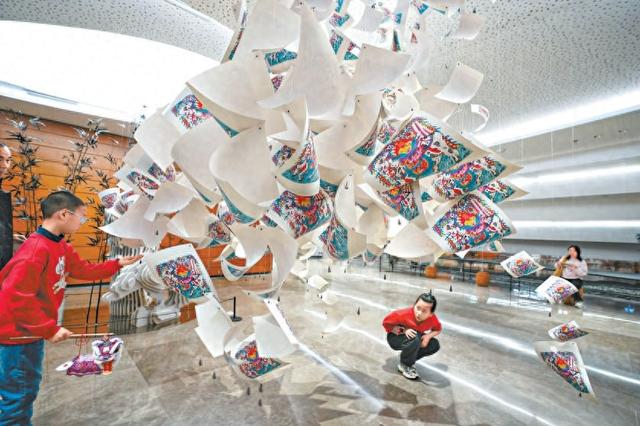
Core Insights - The article highlights the vibrant cultural activities and events taking place in Beijing during the Spring Festival, emphasizing the integration of traditional culture with modern reading experiences [2][3][4][5][6][7][8] Group 1: Cultural Events - The "Spring Breeze Horse Hoof Collection" non-heritage market at the Beijing City Library attracted many visitors, showcasing traditional crafts and cultural experiences [4] - Various activities such as paper-cutting, woodblock printing, and lion dance making were popular among participants, especially children [4][5] - The National Library has maintained a tradition of distributing "Fu" characters to readers on the first day of the new year, enhancing the festive atmosphere [3] Group 2: Reading and Learning - The "Reading Millennium" activity, which combines online and offline experiences, has gained popularity, allowing participants to engage in deep reading while solving puzzles [5] - The immersive experience in bookstores included puppet shows based on classic literature, attracting families and enhancing children's engagement with reading [6] Group 3: Bookstores and Sales - The newly reopened China Bookstore at Longfu Temple became a popular destination during the festival, with a significant increase in foot traffic and sales, particularly of old books and zodiac stamps [6] - The sales of zodiac stamps exceeded 20,000 yuan during the festival, indicating a strong interest in cultural collectibles [6] Group 4: Community Engagement - Various cultural markets and fairs across Beijing featured book stalls and traditional crafts, fostering community interaction and promoting reading among families [7][8] - The presence of book-related activities at transportation hubs like the Tongzhou Station highlighted the importance of reading as part of the festive experience for travelers [8]

艺坛“老顽童”黄永玉的艺术狂想
Xin Lang Cai Jing· 2026-01-09 22:53
Core Viewpoint - The recent exhibition "So Long, So Rich - Huang Yongyu's New Works Exhibition" at Guangdong Art Museum showcases nearly 150 pieces created by the artist after the age of 90, reflecting his artistic journey and deep connection with Guangdong culture [2] Group 1: Exhibition Details - The exhibition is co-hosted by Guangdong Art Museum and Beijing Academy of Painting and will run until March 15, 2026, highlighting Huang Yongyu's late artistic career [2] - Huang Yongyu has a long-standing relationship with Guangdong, having lived in Guangzhou and Hong Kong during his youth, which influenced his artistic development [2] Group 2: Artistic Contributions - Huang Yongyu's works in the museum's collection include over ten pieces across various forms such as Chinese painting, printmaking, sculpture, and calligraphy, with notable works like "Memories of Yangcheng" and "Red Cotton Ball" frequently displayed [3] - The exhibition is divided into three sections: "Carefree Journey," "Open-Mouthed Smile," and "Ten Thousand Flowers Like a Dream," showcasing his unique humor and philosophical depth [3][4] Group 3: Literary Integration - The displayed works often include extensive inscriptions that serve as literary pieces, enhancing the viewer's understanding of the artwork and reflecting Huang's belief that literature is paramount in his life [3] - Huang Yongyu's late works frequently draw from historical figures in "Zhuangzi," expressed through a narrative style that combines personal reflections with philosophical insights [3] Group 4: Artistic Techniques - In the section "Ten Thousand Flowers Like a Dream," Huang employs innovative techniques to depict traditional motifs like lotus and narcissus, merging classical poetry with modern artistic interpretations [4] - The exhibition invites viewers into Huang Yongyu's vibrant and humorous artistic world, emphasizing his belief in the freedom of artistic expression and the joy of life [4]
以“形式美”装饰生活(深观察)
Ren Min Ri Bao Hai Wai Ban· 2025-11-19 23:09
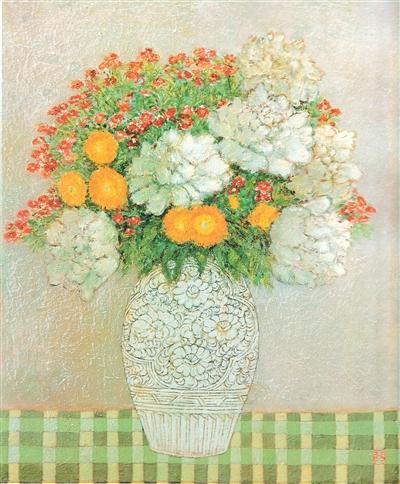
Core Viewpoint - The exhibition "People's 'Form': The Artistic Journey of Tsinghua University Academy of Fine Arts" showcases the evolution of art at Tsinghua University, highlighting the contributions of several generations of artists who blend traditional and modern elements to serve the aesthetic needs of the people [2][4][11]. Group 1: Exhibition Overview - The exhibition features 103 artworks and 163 sets of documents, illustrating the artistic lineage of Tsinghua University Academy of Fine Arts, formerly known as Central Academy of Arts and Crafts [2]. - It aims to trace the development of 20th-century Chinese design and art, reflecting on how artists have integrated beauty into national destiny and daily life [4][9]. Group 2: Artistic Contributions - Artists like Pang Xunqin, Lei Guiyuan, Zhang Guangyu, and Zhang Di have played pivotal roles in innovating art forms that resonate with the social transformations in China [4][5]. - Pang Xunqin's works, such as the watercolor "Son of the Earth," depict the struggles of rural life, while his later oil painting "Bottle Flower" merges Western techniques with Eastern aesthetics [5]. - Zhang Guangyu draws inspiration from folk art, creating modern interpretations of traditional stories, exemplified by his design drafts for the animated film "Havoc in Heaven" [5][6]. Group 3: Cultural Exploration - The artists' journeys into various regions of China have led to the creation of vibrant works that reflect the diversity of Chinese culture [6][10]. - Zhang Di's works, such as "Cangshan Pastoral Song," showcase a blend of Western modern art and traditional Chinese styles, emphasizing a new direction for Chinese painting [6][10]. Group 4: Artistic Philosophy - The exhibition embodies the philosophy of "Kite Without a String," representing the continuous exploration of artistic forms while maintaining a connection to cultural and social realities [7]. - The concept of "People's Form" emphasizes the role of art in addressing societal needs and enhancing the quality of life, echoing the ideals of Cai Yuanpei's "art education for national salvation" [4][11]. Group 5: Public Art Initiatives - The mural group at Beijing Capital International Airport, created in 1979, exemplifies the integration of art into public spaces, showcasing themes of national identity and cultural heritage [10]. - The designs reflect a commitment to serving the public through art, illustrating the aspiration for a beautiful life among the people [10][11].