艺术创作

Search documents
在文旅体验中获得滋养
Xin Lang Cai Jing· 2026-02-05 22:20
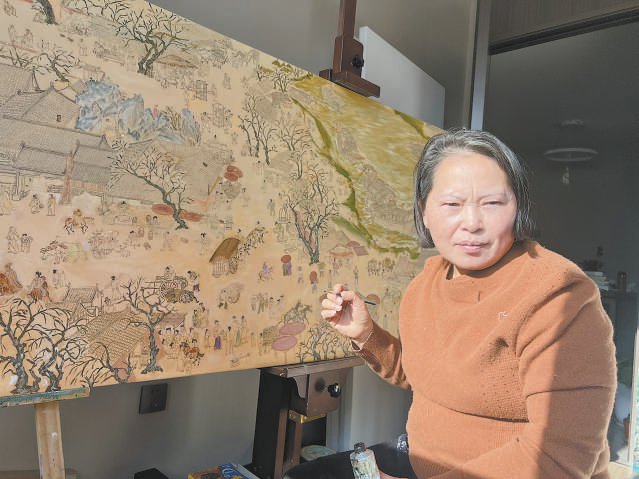
Group 1 - The core viewpoint emphasizes the importance of cultural and artistic experiences in personal development and education, highlighting that art is not merely a pastime but a profound source of nourishment for the soul [2][3][4] - The establishment of a ceramics club at the school reflects the integration of artistic practices into educational settings, promoting a holistic approach to art education that fosters creativity and acceptance [3][4] - The commitment to visiting museums and engaging in diverse cultural activities illustrates the ongoing journey of self-discovery and the pursuit of beauty in life, which is essential for teaching students to appreciate life [3][4] Group 2 - The artist's future goals include attending 10 exhibitions, creating 30 ceramic pieces, and painting 10 artworks in 2025, indicating a structured approach to personal and artistic growth [4] - The narrative conveys that the love for artistic life continues to inspire the individual, reinforcing the idea that personal development is an ongoing process, regardless of age [4]

当AI偷走人类的冠军
3 6 Ke· 2026-01-22 12:47
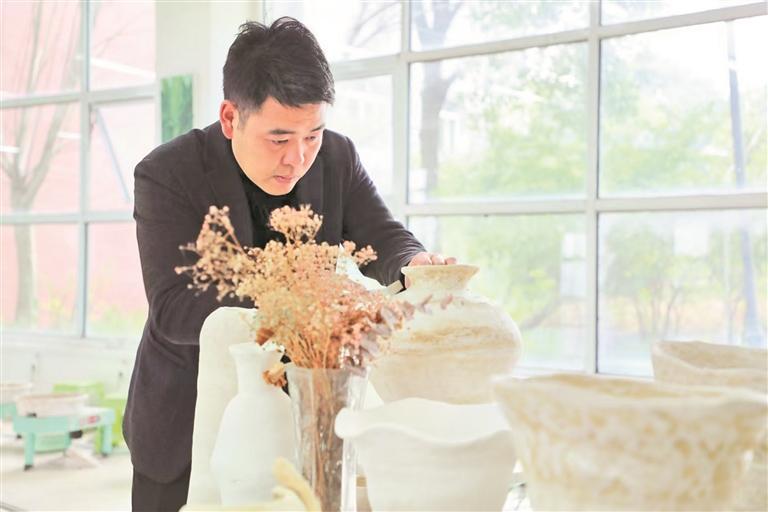
Group 1 - The core issue revolves around an AI-generated image winning a photography competition, raising concerns about the integrity of creative fields as AI increasingly competes with human artists [1][3][4] - The winning piece, titled "Old Light of the Arcade," was initially praised for its nostalgic quality but was later revealed to contain AI-specific flaws, leading to public outrage once the truth emerged [4][6][7] - This incident is part of a broader trend where AI-generated works have been awarded in various creative competitions, often under the guise of human authorship, highlighting a significant ethical dilemma in the art community [3][8][10] Group 2 - The ability of AI to deceive judges stems from the current evaluation systems that prioritize results, which AI excels at, allowing it to produce works that meet established aesthetic standards [8][10] - The anonymity in judging processes inadvertently benefits AI submissions, as judges are unable to verify the authenticity of the work, leading to a lack of scrutiny regarding the creator's identity [10][12] - The article suggests that the solution lies in creating separate categories for AI-generated works and human creations, ensuring fair competition and preserving the integrity of human artistic expression [14][16]
汉武帝雕像引争议,艺术探讨应回归理性
Xin Lang Cai Jing· 2026-01-19 14:04
Core Viewpoint - The controversy surrounding the sculpture "Han Wu Xiong Feng" in Gansu Province reflects the public's sensitivity and expectations regarding historical and cultural expression, highlighting the need for rational discourse and respect for artistic intent [1][2] Group 1: Artistic Interpretation - The sculpture has been criticized for its portrayal of Emperor Wu of Han, with some netizens describing it as "burial of Han Wu," which is seen as a misinterpretation of the artist's intent [1] - Artistic creation is subjective, and discussions should remain respectful and evidence-based, avoiding extreme interpretations that could stifle artistic exploration [1] Group 2: Public Discourse and Cultural Impact - The focus on conspiracy theories detracts from valuable artistic discussions, potentially leading to online harassment of creators and damaging the cultural and artistic ecosystem [2] - Public art should involve careful consideration and public consultation to minimize misunderstandings, while also fostering an environment for diverse perspectives and meaningful dialogue [2] Group 3: Reflection on Society - The controversy serves as a mirror reflecting current public sentiments towards historical cultural expressions, emphasizing the importance of rationality and inclusivity in discussions about public art [2] - It is crucial to avoid allowing emotional reactions to dominate public opinion and to return the focus to the essence of art and cultural heritage [2]
7000年稻田里“长”出了画
Xin Lang Cai Jing· 2026-01-12 23:09
Core Viewpoint - The article highlights an artistic creation event in Jiaxing, which integrates local cultural elements with international artistic expressions, revitalizing the region's cultural resources and landscape during winter [1][2]. Group 1: Artistic Creation - A collaborative art project titled "Majiabang" is taking place in the rice fields of Jiaxing, featuring 26 large canvases primarily sized at 2 meters and 4 meters [1]. - The core member of the project, He Haichun, is the director of Renren Art Museum and has over ten years of experience in artistic creation [1]. - The project utilizes local materials such as rice straw and soil to present Jiangnan imagery through oil painting [1]. Group 2: Cultural Significance - The rice fields in Jiaxing are not only agricultural sites but also hold significant cultural heritage, being the core origin of Majiabang culture with a history of 7,000 years of farming [1]. - The artistic creation aims to interpret the beauty of Jiaxing's local culture using universally understood artistic language [1]. Group 3: Project Duration and Future Plans - The entire artistic creation process lasts for 10 days, during which the team will protect the original features of the field and its facilities [2]. - After completion, all artworks will be preserved and later exhibited at the Jiaxing Museum, allowing citizens and tourists to experience the "Majiabang" art exhibition up close [2].
汉武雄风,审美如何“定风波”
Xin Lang Cai Jing· 2026-01-12 21:04
Group 1 - The "Han Wu Xiong Feng" sculpture in Gansu Guazhou has sparked widespread debate regarding its artistic value and public reception, with many questioning whether it represents "land art" or is simply "out of touch" [1] - The sculpture, completed in 2020, has received criticism for its aesthetic appeal, as visitors tend to favor other nearby sculptures, indicating a disconnect with public taste [1] - The article emphasizes that artistic creations should resonate with the public, especially when they are intended for a broader audience, and that ignoring public sentiment can lead to artworks that feel alienating [1] Group 2 - The relationship between cultural tourism and art is increasingly significant, with many successful artworks becoming city landmarks, while there are also notable failures that highlight the need for context-appropriate designs [2] - Creators are reminded to align their artistic expressions with the specific environment and audience expectations, as overly avant-garde designs can detract from the original intent of the artwork [2] - Decision-makers in cultural tourism should prioritize public aesthetic preferences and consider the collective memory of the community when introducing new art, avoiding the risk of creating works that do not resonate with the general populace [2]
艺坛“老顽童”黄永玉的艺术狂想
Xin Lang Cai Jing· 2026-01-09 22:53
Core Viewpoint - The recent exhibition "So Long, So Rich - Huang Yongyu's New Works Exhibition" at Guangdong Art Museum showcases nearly 150 pieces created by the artist after the age of 90, reflecting his artistic journey and deep connection with Guangdong culture [2] Group 1: Exhibition Details - The exhibition is co-hosted by Guangdong Art Museum and Beijing Academy of Painting and will run until March 15, 2026, highlighting Huang Yongyu's late artistic career [2] - Huang Yongyu has a long-standing relationship with Guangdong, having lived in Guangzhou and Hong Kong during his youth, which influenced his artistic development [2] Group 2: Artistic Contributions - Huang Yongyu's works in the museum's collection include over ten pieces across various forms such as Chinese painting, printmaking, sculpture, and calligraphy, with notable works like "Memories of Yangcheng" and "Red Cotton Ball" frequently displayed [3] - The exhibition is divided into three sections: "Carefree Journey," "Open-Mouthed Smile," and "Ten Thousand Flowers Like a Dream," showcasing his unique humor and philosophical depth [3][4] Group 3: Literary Integration - The displayed works often include extensive inscriptions that serve as literary pieces, enhancing the viewer's understanding of the artwork and reflecting Huang's belief that literature is paramount in his life [3] - Huang Yongyu's late works frequently draw from historical figures in "Zhuangzi," expressed through a narrative style that combines personal reflections with philosophical insights [3] Group 4: Artistic Techniques - In the section "Ten Thousand Flowers Like a Dream," Huang employs innovative techniques to depict traditional motifs like lotus and narcissus, merging classical poetry with modern artistic interpretations [4] - The exhibition invites viewers into Huang Yongyu's vibrant and humorous artistic world, emphasizing his belief in the freedom of artistic expression and the joy of life [4]
著名艺术家、西安美术学院原副院长郭北平逝世
Xin Lang Cai Jing· 2026-01-02 08:10
Core Viewpoint - The article reports the passing of renowned artist and educator Guo Beiping, who died on December 30, 2025, at the age of 76 due to illness [1] Group 1: Personal Background - Guo Beiping was born in 1949 in Xi'an and held various prestigious positions, including Vice President of Xi'an Academy of Fine Arts and Professor [1] - He served as Deputy Director of the Oil Painting Professional Committee of the China National Academy of Painting and was a member of the Chinese Oil Painting Society [1] Group 2: Artistic Achievements - Guo's works were selected for over 30 major national exhibitions, including the 6th to 12th National Art Exhibitions, and he received eight national awards (one gold, two excellence, five bronze) [1] - His oil painting "Yan'an Literary Conference" was included in the "National Major Historical Theme Art Creation Exhibition" in 2009 [1] - The oil painting "Yangshao Culture" was selected for the "Chinese Civilization Historical Theme Art Creation Project" in 2016 and is now part of the collection at the National Museum of China [1] - In 2018, his works "Wang Luobin and His Western Journey" and "Alexander's East Expedition" were included in the "Belt and Road" International Art Project Exhibition and are collected by the China National Academy of Painting [1] Group 3: Publications - Guo published over 20 art albums and monographs and had more than 400 works published [1]
欣持彩笔绘山河
Xin Lang Cai Jing· 2026-01-01 18:45
Core Viewpoint - The exhibition of artworks by young artists from the "Famous Artists Passing on Skills: Cultivation Program for Young and Middle-aged Literary and Artistic Leaders in Xinjiang" showcases the achievements of the program and highlights the integration of traditional and modern artistic expressions in depicting the region's culture and contemporary life [17][18]. Group 1 - The exhibition features 56 outstanding artworks, including 53 pieces created by 14 art students and 3 masterpieces by renowned instructors, demonstrating a rich variety of themes and styles [17]. - The event is co-hosted by the Xinjiang Federation of Literary and Art Circles and the Xinjiang Production and Construction Corps Federation of Literary and Art Circles, aiming to present the program's phase achievements [17]. - The artworks reflect a deep integration of real-life experiences with artistic expression, offering a vibrant artistic feast that embodies regional characteristics and contemporary spirit [17]. Group 2 - Participating art students engaged in field research across various regions in Xinjiang and the Corps, guided by prominent mentors, to create works that emphasize a people-centered creative approach [18]. - The students' creations combine the essence of traditional art with modern artistic techniques, illustrating the vigorous development of art in Xinjiang and the Corps [18]. - The exhibition serves as a platform for young artists to showcase their talents and contributes to the cultural vitality and prosperity of the literary and artistic scene in Xinjiang and the Corps [18].
从“胸有成竹”说开去
Xin Lang Cai Jing· 2025-12-25 19:23
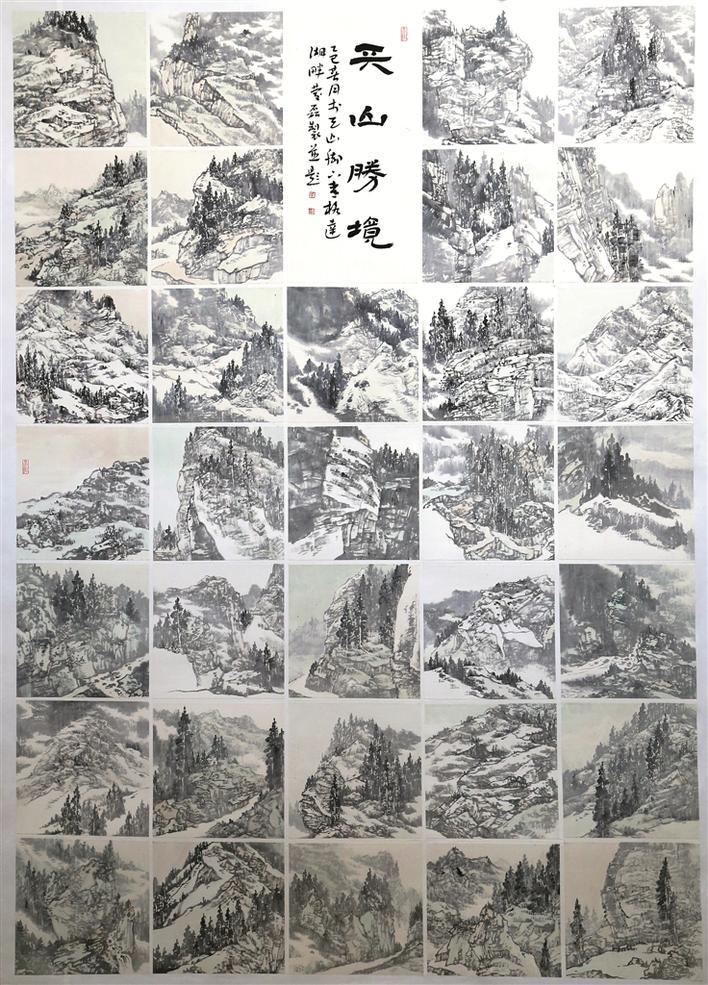
Core Viewpoint - The concept of "having a bamboo in one's heart" emphasizes the importance of internal visualization and preparation in artistic creation, suggesting that a clear mental image is essential for successful execution in both painting and poetry [1][4]. Group 1: Development of the Concept - The theory of "having a bamboo in one's heart" has evolved, with Zheng Banqiao clarifying the distinction between the bamboo in the mind, the bamboo seen, and the bamboo created on paper, indicating that each stage involves a dynamic perception that requires timely expression [2][3]. - Contemporary writer Wang Zengqi expresses skepticism towards the strict interpretation of "having a bamboo in one's heart," advocating for spontaneity and improvisation in the creative process, which he believes is essential for true artistic expression [3]. Group 2: Importance of Timely Expression - The necessity of capturing and expressing the moment in artistic creation is highlighted, with references to various scholars who stress that failing to seize the moment leads to missed opportunities for genuine artistic representation [4][5]. - The success of poets like Yang Wanli is attributed to their ability to "capture" fleeting moments in their work, contrasting with the struggles of others who fail to express their inspirations promptly [5][6]. Group 3: Overcoming Creative Challenges - Artists often face the challenge of conveying their internal visions accurately, leading to feelings of regret when the final work does not match their initial inspiration, as noted by Zheng Banqiao [6]. - Continuous practice and innovation are suggested as methods to align technique with artistic intent, allowing for a more authentic representation of the artist's vision [6].
清洁工画家
Xin Lang Cai Jing· 2025-12-24 22:53
Core Viewpoint - Wang Liuyun, a 59-year-old cleaner and artist, emphasizes the importance of continuous learning and self-improvement despite societal perceptions of her occupation [2][5]. Group 1: Personal Background - Wang Liuyun hails from Loudi, Hunan, and has faced numerous hardships, including two marriages, the death of her first husband in a car accident, and her second husband's illness [2][5]. - She dropped out of high school after six months and has worked various jobs, including as a sales clerk, seamstress, and waitress [2][5]. Group 2: Artistic Journey - Wang has published three books, including her first long novel "The Wind Blows the Moonlight," which reflects her life experiences and the struggles of a young girl named Yue'er [4]. - She began painting in small, cramped spaces, such as a restroom in a Beijing office building, where she created vibrant artworks to uplift her spirits [3][4]. Group 3: Financial Aspects - After moving to Beijing in 2020 with only 200 yuan in savings, Wang initially worked as a cleaner, which made her forget her passion for literature and art [5]. - Over the years, her paintings have sold for prices ranging from hundreds to thousands of yuan, earning her approximately 200,000 to 300,000 yuan, although most of it has been spent on family expenses [5]. Group 4: Literary Influence - Wang's love for literature began with a tattered copy of "Dream of the Red Chamber," which sparked her desire to read and write [5][6]. - She has read various classic works, including those by Chekhov, Gorky, and Tolstoy, which have significantly influenced her writing and artistic expression [6].