甲骨文面

Search documents
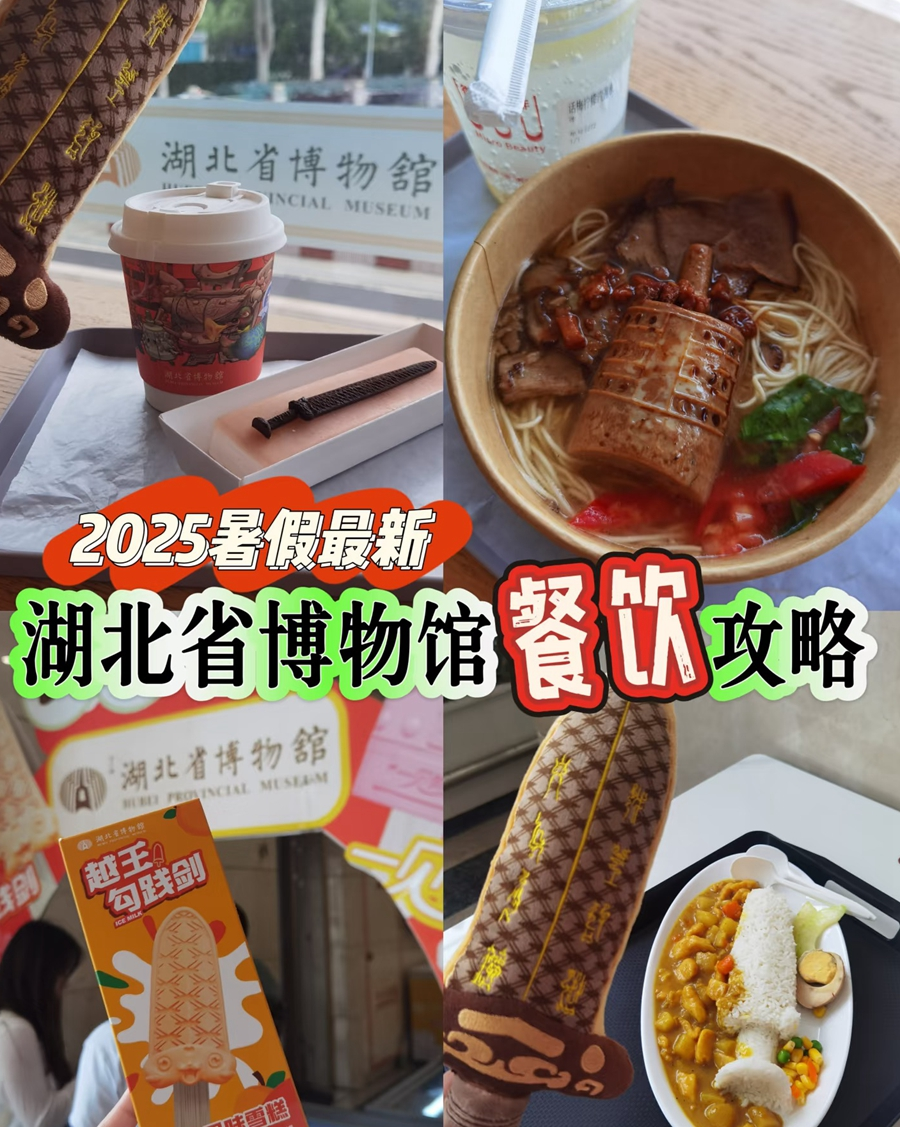
“甲骨文面”“司母戊鼎米饭”“编钟牛肉面”火出圈 创意激活文化消费新潮活力
Yang Shi Wang· 2025-12-01 07:29
Core Viewpoint - Recent trends show museums in various regions are opening cafeterias and offering creative cuisine, attracting numerous visitors with unique food items inspired by cultural artifacts [1][3][10]. Group 1: Museum Cafeteria Offerings - The Henan Anyang Yin Xu Museum features "Oracle Bone Noodles," which have achieved daily sales of hundreds of servings during weekends and holidays since their introduction [6]. - The Hebei Museum offers a "Changxin Palace Lantern Noodle" dish, which has gained popularity, with visitors queuing to experience this unique culinary creation [3][10]. - The Hubei Museum's "Bianzhong Beef Noodles" has become a hit, initially limited to 200 bowls per day, which sold out quickly [10]. Group 2: Cultural Integration in Cuisine - The integration of cultural elements into food items, such as the "Bianzhong" shaped marinated egg in the beef noodles, provides visitors with a unique experience that combines taste and cultural heritage [10][12]. - The Hunan Museum has successfully blended cultural motifs and dessert dishes, receiving positive feedback from consumers [12]. - Innovative desserts like the "Mifan" mousse cake and "Naughty Little Raccoon" chocolate mousse are inspired by ancient artifacts, showcasing a creative fusion of history and modern culinary art [15]. Group 3: Technological Integration - The Hunan Museum employs advanced technologies like high-precision scanning and 3D modeling to extract aesthetic elements from artifacts, creating a digital material library for further creative development [17]. - Collaborations with designers and illustrators allow for the transformation of cultural elements into contemporary products, maintaining cultural integrity while appealing to modern aesthetics [17].

文化观察丨年轻人抢着去博物馆“干饭”
Xin Hua Wang· 2025-11-21 23:09
Core Insights - The trend of young people dining in museums has gained popularity, with many museums across the country opening cafeterias that offer affordable meals, blending cultural experiences with casual dining [3][4][7] Group 1: Museum Cafeteria Appeal - Museums are increasingly seen as cultural spaces where visitors can enjoy meals, addressing the need for convenient dining options during long visits [4][7] - Affordable pricing and diverse menu options are key factors attracting young visitors to museum cafeterias, with meals ranging from 3 to 30 yuan [5][6] - Cafeterias are not just for sustenance; they incorporate cultural elements, enhancing the overall visitor experience and catering to social media sharing [5][6] Group 2: Visitor Engagement and Cultural Integration - The presence of cafeterias has led to longer average visit durations, allowing guests to engage more deeply with exhibitions and cultural activities [7] - Cafeterias serve as a bridge to attract local residents who may not initially visit for exhibitions, thus expanding the museum's audience [9] - The integration of local cultural elements into the dining experience enhances the connection between food and heritage, making visits more memorable [6][9] Group 3: Operational Challenges and Solutions - The influx of visitors due to cafeteria popularity poses management challenges, including potential congestion and increased pressure on artifact preservation [10][12] - Museums are implementing measures such as online ordering and timed reservations to streamline operations and reduce crowding [12] - Experts emphasize the importance of maintaining a balance between dining experiences and the cultural integrity of the museum, ensuring that food services complement rather than overshadow the primary mission of cultural education [15]