小碗菜

Search documents
博物馆美食,更香了!
Xin Lang Cai Jing· 2026-01-12 23:09
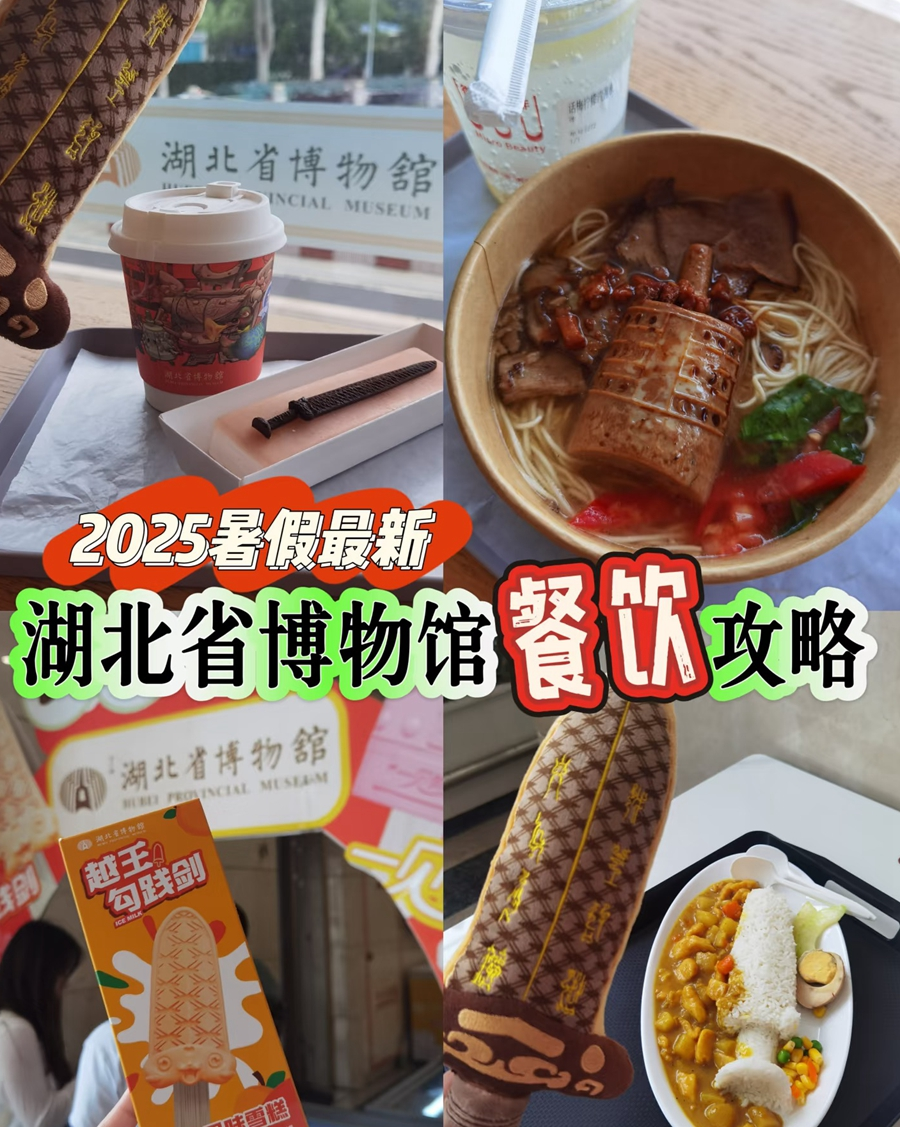
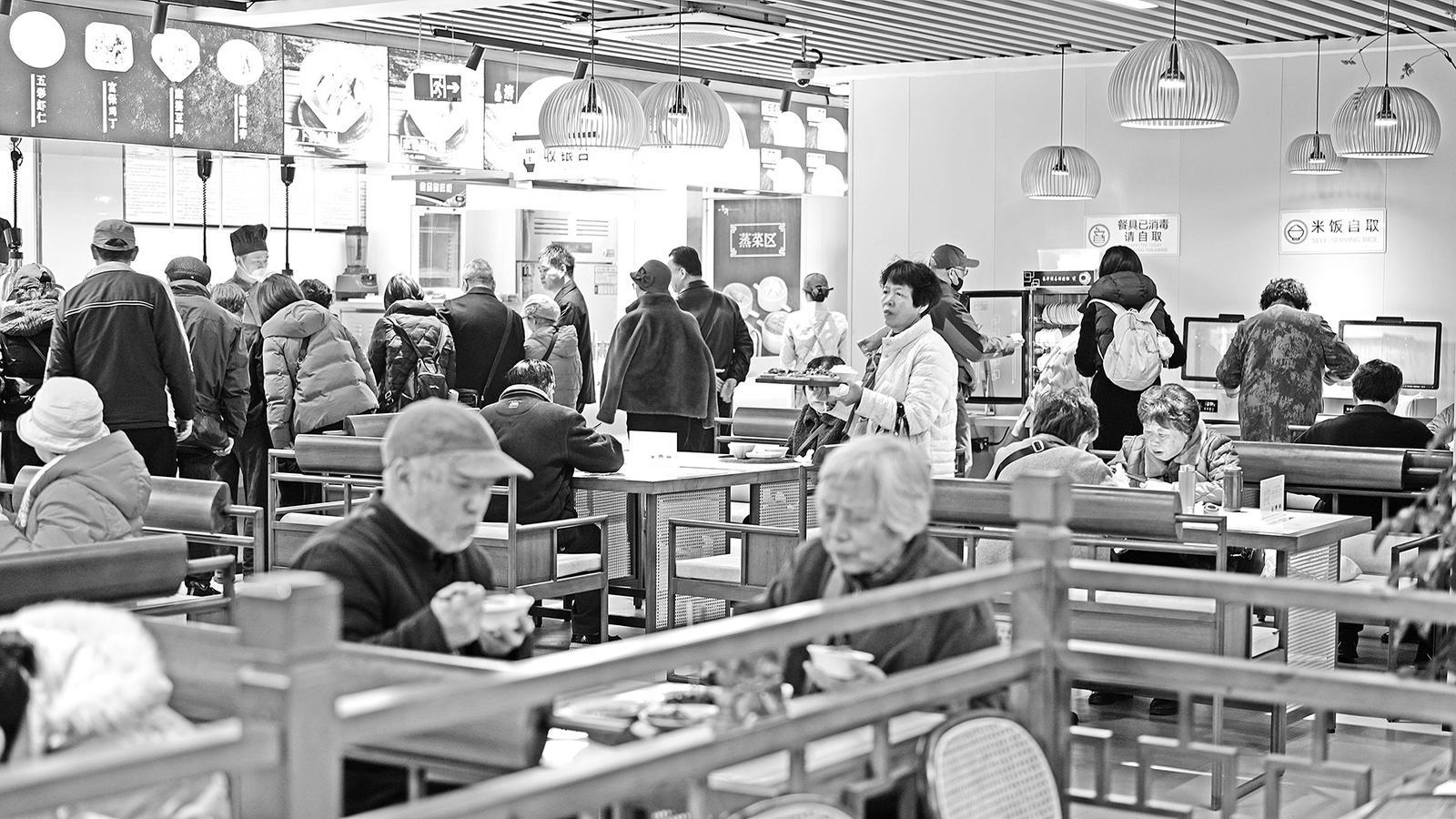
Core Viewpoint - Museums are evolving into multifunctional spaces that not only offer exhibitions but also affordable dining options, enhancing the overall visitor experience and cultural engagement [4][9]. Group 1: Dining Experience in Museums - Visitors can enjoy affordable meals in museums, such as a tomato beef brisket set with traditional Beijing snacks, which enhances their cultural experience [5]. - The introduction of culturally themed dishes, like "Oracle Bone Noodles" and "Changxin Palace Lantern" steamed eggs, reflects a trend of integrating cultural elements into museum dining [6]. - The availability of quality, reasonably priced food has resolved the long-standing issue of dining difficulties for museum visitors, allowing them to spend more time enjoying exhibitions [8]. Group 2: Visitor Engagement and Cultural Experience - The combination of dining and cultural experiences creates a lively atmosphere, making cultural symbols more accessible and shareable for visitors [7]. - The trend of sharing museum dining experiences on social media has increased visitor engagement, particularly among younger demographics who enjoy showcasing unique culinary experiences [8][9]. - Museums are becoming more integrated into daily life, attracting local residents who may not have previously visited for exhibitions, thus expanding their audience [10]. Group 3: Future Developments and Innovations - Museums are implementing strategies to manage increased visitor flow, such as online ordering and timed reservations to enhance service efficiency [12]. - Future upgrades in museum dining should focus on storytelling through menus, maintaining reasonable pricing, and creating comfortable spaces for families [12]. - The potential for museums to host evening cultural events and themed dining experiences could further integrate them into the urban cultural landscape [12].

博物馆拓展“舌尖上”的新空间 “文化内核+烟火气”深度融合激活消费新体验
Yang Shi Wang· 2025-11-30 04:46
Core Insights - The integration of dining experiences in museums across China is gaining popularity, with various museums introducing unique food items inspired by cultural artifacts, enhancing visitor engagement and experience [1][5][11] Group 1: Museum Dining Innovations - Museums like the Henan Anyang Yin Xu Museum and Hubei Provincial Museum have launched themed dishes such as "Oracle Bone Noodles" and "Bells Beef Noodles," which have become popular among visitors [1][9] - The "Oracle Bone Noodles" at the Yin Xu Museum have achieved significant sales, reaching 500 to 600 servings on weekends and holidays [7] - The "Bells Beef Noodles" features a unique egg shaped like a bell, attracting visitors specifically for this experience, with initial daily sales limited to 200 bowls [9] Group 2: Cultural and Culinary Fusion - In Hunan Province, museums are collaborating with cultural and culinary institutions to create desserts and dishes that incorporate traditional elements, receiving positive feedback from visitors [11][14] - The Hunan Museum offers a variety of creative dishes, including a mousse cake inspired by ancient artifacts and a dessert presented in a traditional wooden box, showcasing a blend of aesthetics and taste [14][17] - The Sichuan Museum features a "blind box coffee" experience, where coffee designs reflect historical patterns, and offers a selection of small dishes reminiscent of ancient dining practices, enhancing the cultural experience [18][20] Group 3: Visitor Engagement and Popularity - The dining experiences in museums have become popular "check-in" spots, with the Sichuan Museum's dining center attracting 600 to 800 visitors daily, and over 800 during peak times [22] - The variety of affordable dishes, with prices ranging from 3 to 12 yuan, contributes to the high foot traffic and engagement in museum dining areas [20][22]
“逛展+干饭”成新风尚 四川博物院食堂圈粉游客
Sou Hu Cai Jing· 2025-11-22 15:00
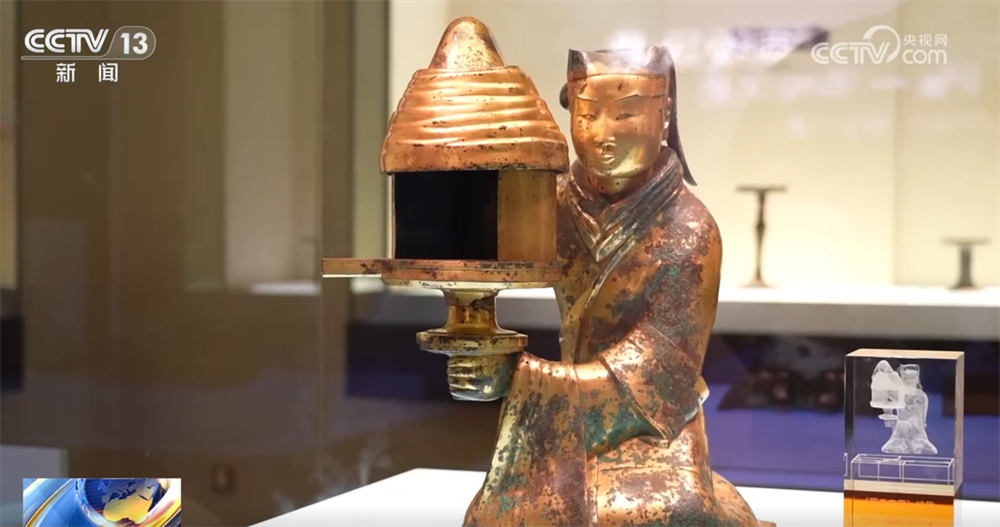
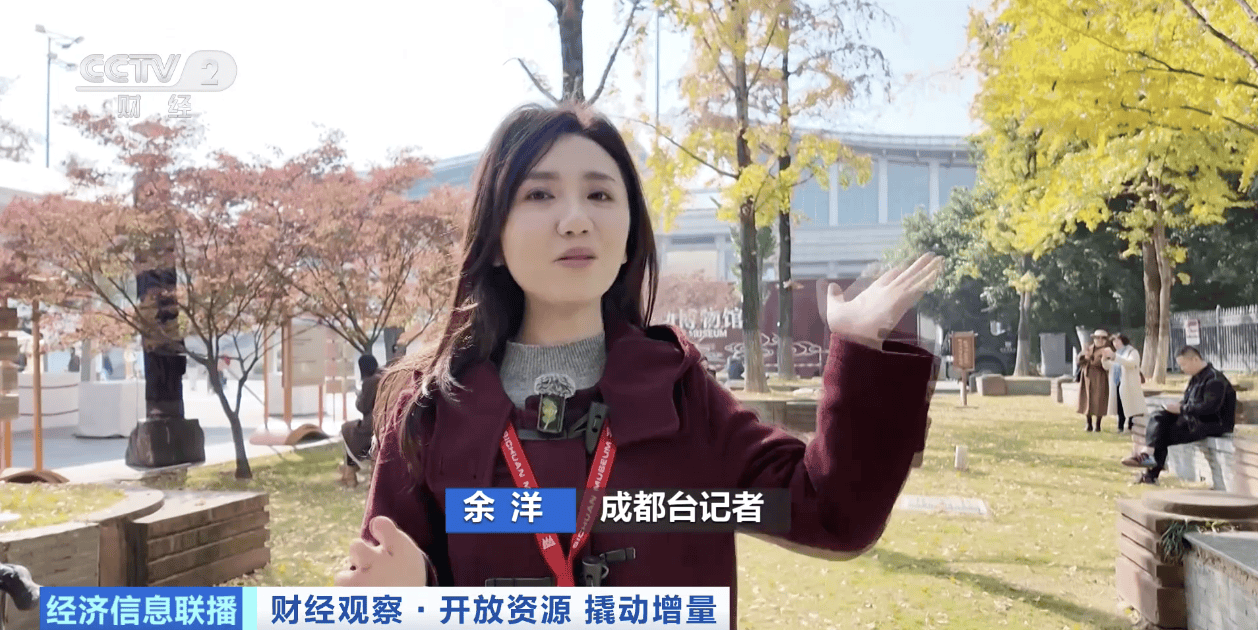
Core Viewpoint - The integration of "culture + dining" in museums, particularly in Sichuan Museum, has gained popularity among visitors, enhancing their overall experience and addressing dining needs after exhibitions [1][9]. Group 1: Visitor Experience - Sichuan Museum has introduced a convenient dining area, allowing visitors to enjoy local cuisine after their tours, which was previously limited to snacks like bread [3][9]. - The dining center features over 60 types of dishes, with prices ranging from 3 yuan to a maximum of 12 yuan, making it accessible for a wide range of visitors [5][9]. - The dining experience not only caters to tourists but also serves as a community dining space for local residents, enhancing its role in the community [7][9]. Group 2: Cultural Integration - The dining offerings incorporate elements from the museum's rich collection, such as East Han cultural motifs in the design of pastries and other food items [11]. - The center has evolved into a multi-functional space combining small dishes, creative tea drinks, and reading areas, attracting 600 to 800 visitors daily, with peak times exceeding 800 [11]. - This shift from a traditional museum experience to a more interactive and engaging environment promotes a holistic cultural service model, moving from "one-way output" to "multi-dimensional interaction" [11][13].
文化观察丨年轻人抢着去博物馆“干饭”
Xin Hua Wang· 2025-11-21 23:09
Core Insights - The trend of young people dining in museums has gained popularity, with many museums across the country opening cafeterias that offer affordable meals, blending cultural experiences with casual dining [3][4][7] Group 1: Museum Cafeteria Appeal - Museums are increasingly seen as cultural spaces where visitors can enjoy meals, addressing the need for convenient dining options during long visits [4][7] - Affordable pricing and diverse menu options are key factors attracting young visitors to museum cafeterias, with meals ranging from 3 to 30 yuan [5][6] - Cafeterias are not just for sustenance; they incorporate cultural elements, enhancing the overall visitor experience and catering to social media sharing [5][6] Group 2: Visitor Engagement and Cultural Integration - The presence of cafeterias has led to longer average visit durations, allowing guests to engage more deeply with exhibitions and cultural activities [7] - Cafeterias serve as a bridge to attract local residents who may not initially visit for exhibitions, thus expanding the museum's audience [9] - The integration of local cultural elements into the dining experience enhances the connection between food and heritage, making visits more memorable [6][9] Group 3: Operational Challenges and Solutions - The influx of visitors due to cafeteria popularity poses management challenges, including potential congestion and increased pressure on artifact preservation [10][12] - Museums are implementing measures such as online ordering and timed reservations to streamline operations and reduce crowding [12] - Experts emphasize the importance of maintaining a balance between dining experiences and the cultural integrity of the museum, ensuring that food services complement rather than overshadow the primary mission of cultural education [15]