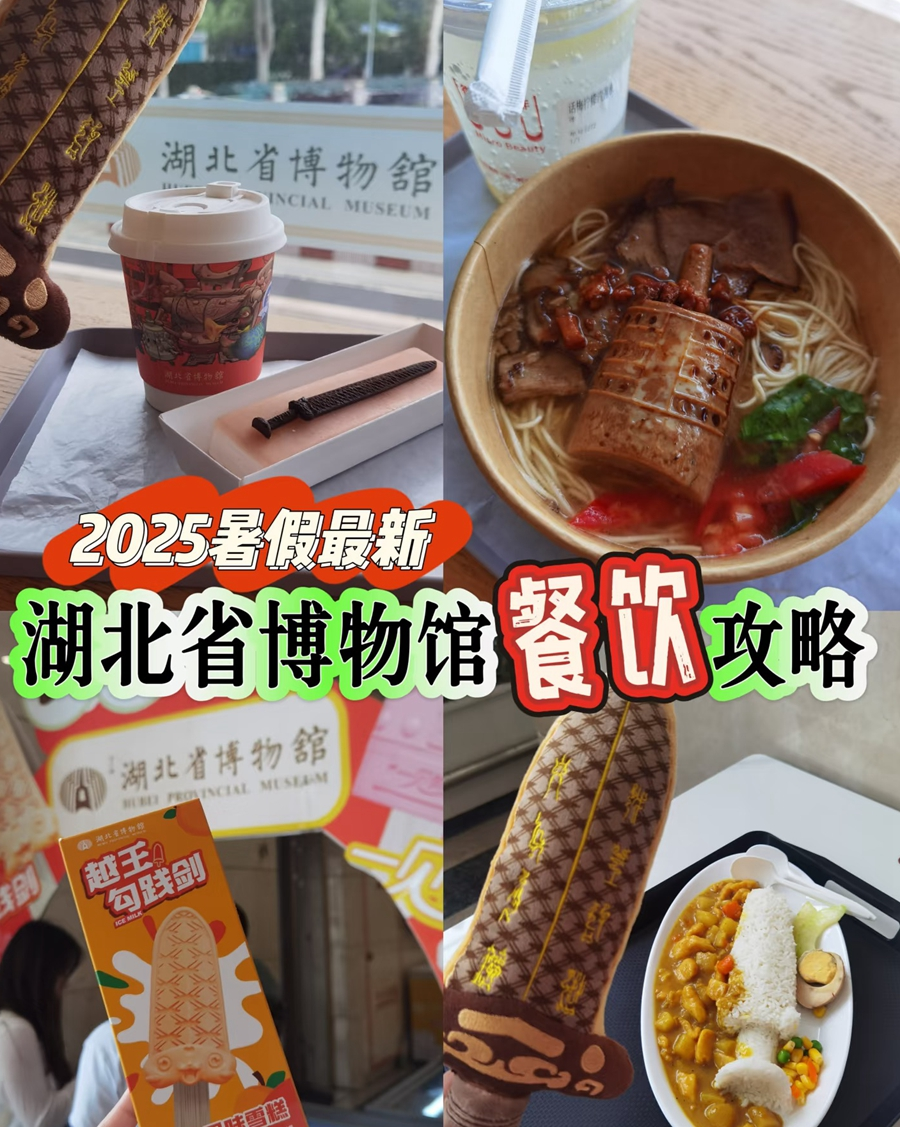
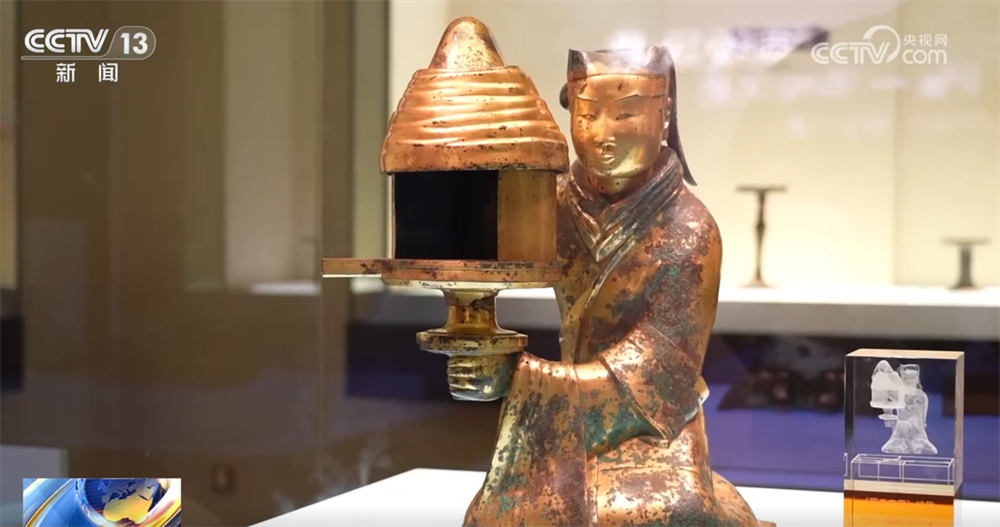
长信宫灯板面

Search documents
走,去博物馆“干饭”!
Xin Lang Cai Jing· 2026-01-25 01:48
Group 1 - The article highlights a trend where museums across China are transforming artifacts into food items, creating a unique dining experience for visitors [1][2] - At the Anhui Museum, visitors can enjoy desserts inspired by historical artifacts, such as a velvet cake shaped like a jade eagle from 5,000 years ago [3] - The Henan Anyang Yin Xu Museum offers "oracle bone script noodles," which are printed with various oracle bone characters using edible squid ink, enhancing the cultural experience of dining [6] Group 2 - The Hunan Provincial Museum features a drink called "Junxing Coffee," inspired by the cloud-patterned lacquer ear cup from the Mawangdui Han Tomb, with inscriptions that translate to "please enjoy your meal" [7][8] - The cultural significance of these food items is emphasized, as they not only provide visual appeal but also convey historical narratives, making learning about history more engaging for visitors [10][12] - The experience of consuming these themed dishes, such as the "Zhou Dynasty bell egg beef noodles," allows visitors to connect with ancient traditions and appreciate the craftsmanship of historical artifacts [13]
文物化身“掌中餐” 中国多地博物馆成年轻人新“社交餐桌”
Zhong Guo Xin Wen Wang· 2025-12-14 01:32
Core Viewpoint - Museums in China are creatively combining serious history with everyday food experiences to attract young visitors, transforming the museum experience from a purely visual one to an engaging sensory and social activity [1][3][5] Group 1: Museum Experience - The integration of food and cultural artifacts allows visitors to engage with history in a more relaxed and interactive manner, enhancing social interactions among young people [1][3] - Unique food items, such as "甲骨文面条" (Oracle Bone Script Noodles) and "长信宫灯板面" (Changxin Palace Lantern Noodles), are designed to be visually appealing and serve as conversation starters [1][3] Group 2: Cultural and Social Impact - The introduction of "文创甜点" (cultural creative desserts) in museums serves not only as a culinary experience but also as a cultural ritual, fostering a shared cultural memory among visitors [5] - The affordability of these museum food items, typically around 25 RMB, makes them more accessible compared to trendy cafes, thus broadening the social dining experience [5] - The phenomenon of sharing food experiences on social media is becoming a new trend, contributing to the museums' visibility and engagement with a wider audience [5]

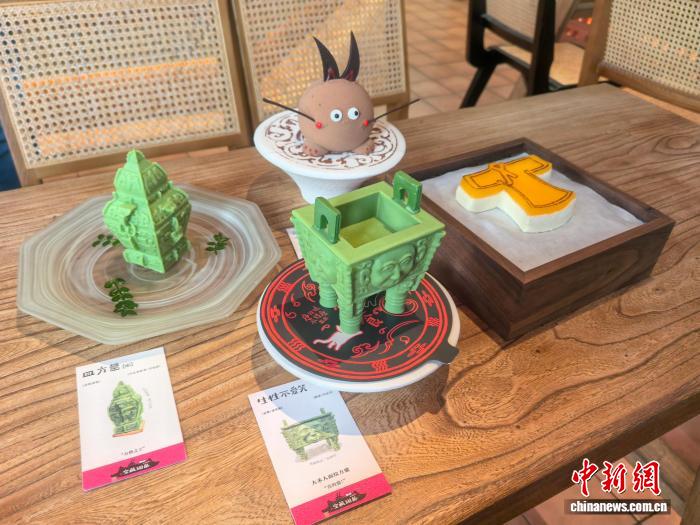
“甲骨文面”“司母戊鼎米饭”“编钟牛肉面”火出圈 创意激活文化消费新潮活力
Yang Shi Wang· 2025-12-01 07:29
Core Viewpoint - Recent trends show museums in various regions are opening cafeterias and offering creative cuisine, attracting numerous visitors with unique food items inspired by cultural artifacts [1][3][10]. Group 1: Museum Cafeteria Offerings - The Henan Anyang Yin Xu Museum features "Oracle Bone Noodles," which have achieved daily sales of hundreds of servings during weekends and holidays since their introduction [6]. - The Hebei Museum offers a "Changxin Palace Lantern Noodle" dish, which has gained popularity, with visitors queuing to experience this unique culinary creation [3][10]. - The Hubei Museum's "Bianzhong Beef Noodles" has become a hit, initially limited to 200 bowls per day, which sold out quickly [10]. Group 2: Cultural Integration in Cuisine - The integration of cultural elements into food items, such as the "Bianzhong" shaped marinated egg in the beef noodles, provides visitors with a unique experience that combines taste and cultural heritage [10][12]. - The Hunan Museum has successfully blended cultural motifs and dessert dishes, receiving positive feedback from consumers [12]. - Innovative desserts like the "Mifan" mousse cake and "Naughty Little Raccoon" chocolate mousse are inspired by ancient artifacts, showcasing a creative fusion of history and modern culinary art [15]. Group 3: Technological Integration - The Hunan Museum employs advanced technologies like high-precision scanning and 3D modeling to extract aesthetic elements from artifacts, creating a digital material library for further creative development [17]. - Collaborations with designers and illustrators allow for the transformation of cultural elements into contemporary products, maintaining cultural integrity while appealing to modern aesthetics [17].
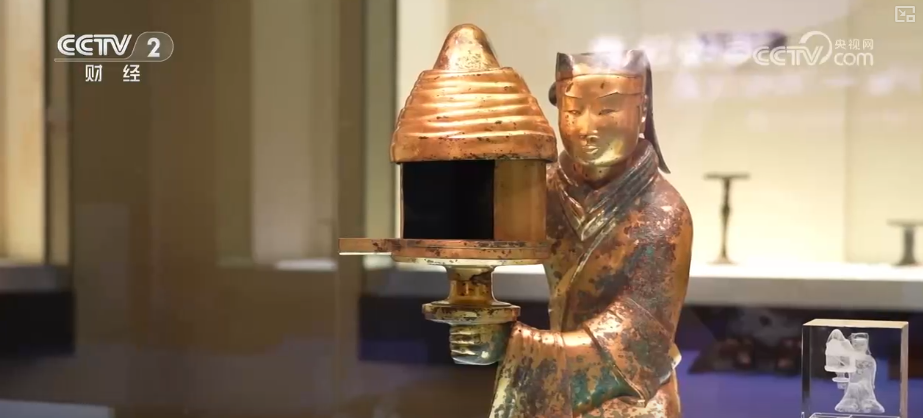
当高冷文物遇上人间烟火 “文化+美食”创新跨界藏着多少惊喜?
Yang Shi Wang· 2025-11-30 08:23
Core Insights - Recent trend of museums in China opening cafeterias featuring creative dishes has attracted many visitors, enhancing the cultural experience [1][5][10] Group 1: Museum Cafeteria Offerings - The Anyang Yin Ruins Museum in Henan has introduced "Oracle Bone Noodles," achieving daily sales of 500 to 600 portions on weekends and holidays since its opening [5][8] - The Hebei Museum's "Changxin Palace Lantern" noodle dish, made with steamed egg, has become a popular item, drawing long queues of visitors [3][10] - Hubei Museum's "Bell Beef Noodles," featuring a replica bell-shaped egg, has quickly sold out its initial daily limit of 200 bowls since launch [10] Group 2: Cultural Integration and Visitor Experience - The integration of cultural elements into food offerings, such as the use of oracle bone characters on noodles, enhances visitors' understanding of ancient cultures [8][14] - The Hunan Museum has collaborated with cultural and culinary institutions to create desserts inspired by artifacts, such as the "Mifan" mousse cake and "Su Sha Can Yi" dessert, which are visually appealing and flavorful [12][14] - Advanced technologies like high-precision scanning and 3D modeling are used to create food items that reflect cultural heritage while appealing to modern aesthetics [16]
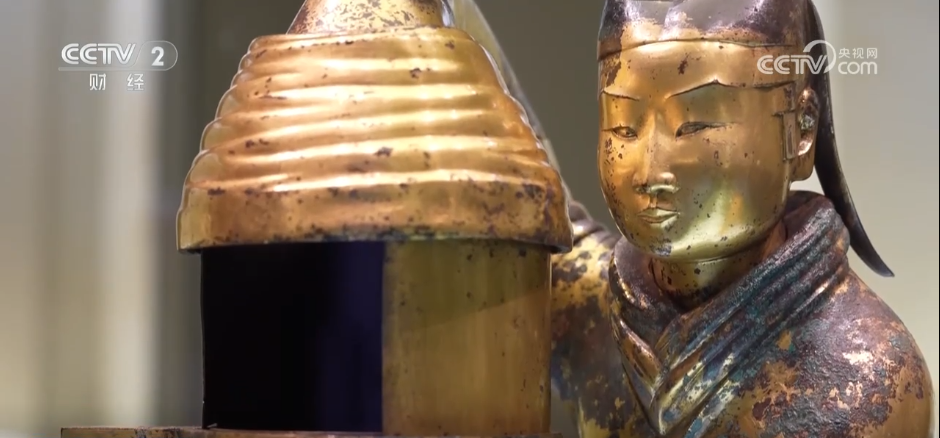
博物馆拓展“舌尖上”的新空间 “文化内核+烟火气”深度融合激活消费新体验
Yang Shi Wang· 2025-11-30 04:46
Core Insights - The integration of dining experiences in museums across China is gaining popularity, with various museums introducing unique food items inspired by cultural artifacts, enhancing visitor engagement and experience [1][5][11] Group 1: Museum Dining Innovations - Museums like the Henan Anyang Yin Xu Museum and Hubei Provincial Museum have launched themed dishes such as "Oracle Bone Noodles" and "Bells Beef Noodles," which have become popular among visitors [1][9] - The "Oracle Bone Noodles" at the Yin Xu Museum have achieved significant sales, reaching 500 to 600 servings on weekends and holidays [7] - The "Bells Beef Noodles" features a unique egg shaped like a bell, attracting visitors specifically for this experience, with initial daily sales limited to 200 bowls [9] Group 2: Cultural and Culinary Fusion - In Hunan Province, museums are collaborating with cultural and culinary institutions to create desserts and dishes that incorporate traditional elements, receiving positive feedback from visitors [11][14] - The Hunan Museum offers a variety of creative dishes, including a mousse cake inspired by ancient artifacts and a dessert presented in a traditional wooden box, showcasing a blend of aesthetics and taste [14][17] - The Sichuan Museum features a "blind box coffee" experience, where coffee designs reflect historical patterns, and offers a selection of small dishes reminiscent of ancient dining practices, enhancing the cultural experience [18][20] Group 3: Visitor Engagement and Popularity - The dining experiences in museums have become popular "check-in" spots, with the Sichuan Museum's dining center attracting 600 to 800 visitors daily, and over 800 during peak times [22] - The variety of affordable dishes, with prices ranging from 3 to 12 yuan, contributes to the high foot traffic and engagement in museum dining areas [20][22]
文化观察丨年轻人抢着去博物馆“干饭”
Xin Hua Wang· 2025-11-21 23:09
Core Insights - The trend of young people dining in museums has gained popularity, with many museums across the country opening cafeterias that offer affordable meals, blending cultural experiences with casual dining [3][4][7] Group 1: Museum Cafeteria Appeal - Museums are increasingly seen as cultural spaces where visitors can enjoy meals, addressing the need for convenient dining options during long visits [4][7] - Affordable pricing and diverse menu options are key factors attracting young visitors to museum cafeterias, with meals ranging from 3 to 30 yuan [5][6] - Cafeterias are not just for sustenance; they incorporate cultural elements, enhancing the overall visitor experience and catering to social media sharing [5][6] Group 2: Visitor Engagement and Cultural Integration - The presence of cafeterias has led to longer average visit durations, allowing guests to engage more deeply with exhibitions and cultural activities [7] - Cafeterias serve as a bridge to attract local residents who may not initially visit for exhibitions, thus expanding the museum's audience [9] - The integration of local cultural elements into the dining experience enhances the connection between food and heritage, making visits more memorable [6][9] Group 3: Operational Challenges and Solutions - The influx of visitors due to cafeteria popularity poses management challenges, including potential congestion and increased pressure on artifact preservation [10][12] - Museums are implementing measures such as online ordering and timed reservations to streamline operations and reduce crowding [12] - Experts emphasize the importance of maintaining a balance between dining experiences and the cultural integrity of the museum, ensuring that food services complement rather than overshadow the primary mission of cultural education [15]