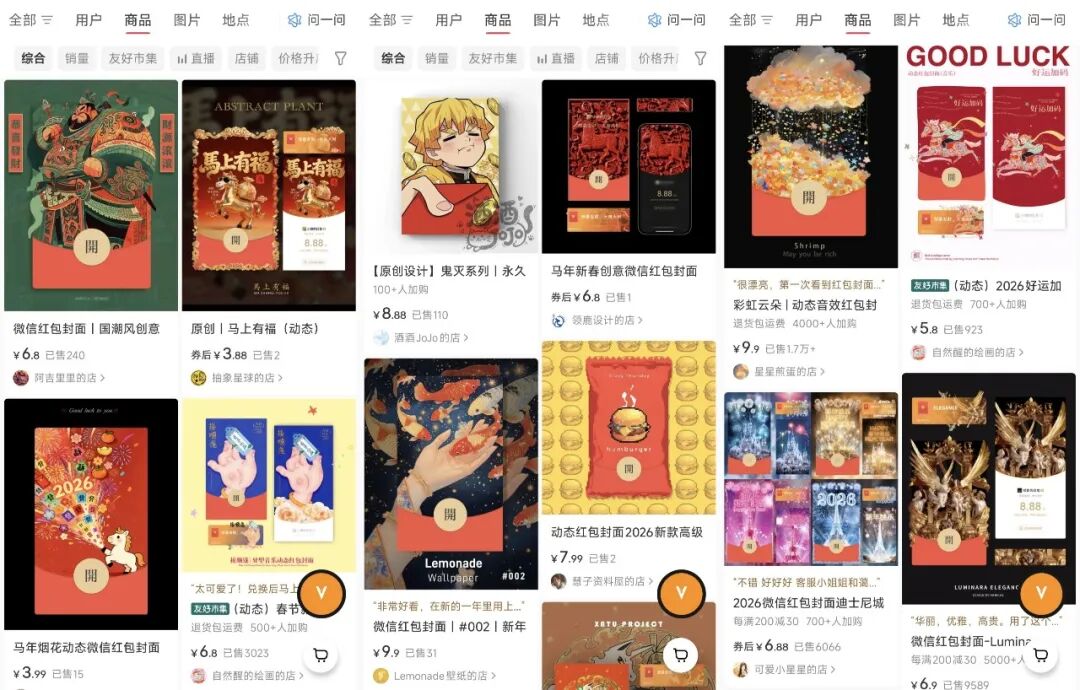
电子年货

Search documents
社评:这个春节,绽放中国策马奔腾的活力
Xin Lang Cai Jing· 2026-02-23 16:33
Group 1 - The core theme of the news highlights the vibrant and prosperous atmosphere of the Chinese New Year, showcasing a significant increase in consumer spending and cultural engagement both domestically and internationally [1][2][3][4] - The consumption market experienced a surge during the Spring Festival, with dining, tourism, shopping, and movie attendance all showing substantial growth, indicating a robust economic recovery [2] - Data from Meituan indicates that reservations for New Year's Eve dinners increased by 105% year-on-year, while Dazhong Dianping reported a nearly 40% rise in traffic for the "must-eat list" during the first four days of the holiday [2] - The integration of technology into consumer products, such as "tech-themed" gifts and AI elements in the Spring Festival Gala, reflects a shift towards personalized and emotional investment in consumer experiences [2] - The Spring Festival also saw a notable increase in air travel among older demographics, with a 20% year-on-year rise in first-time ticket purchases for those aged 60 and above, indicating a broadening consumer base [2] Group 2 - The global celebration of the Chinese New Year is marked by cultural exchanges, with themed buses and decorations appearing in cities around the world, showcasing the reach of Chinese traditions [3] - The festive atmosphere serves as a counterpoint to global uncertainties, projecting a message of vitality and enthusiasm from the Chinese people, and reinforcing China's role as a stable and prosperous nation [3][4] - The New Year celebrations reflect China's commitment to high-quality development and its willingness to share growth opportunities with the world, emphasizing a future-oriented and dynamic national identity [4]
【每日甘肃网春节特别策划】不知不觉,春节长出了这么多“新芽”
Xin Lang Cai Jing· 2026-02-20 06:12
Core Viewpoint - The article discusses how the "Z generation" is redefining traditional Chinese New Year customs, blending modern practices with cultural heritage, and creating new forms of celebration and connection with family and friends. Group 1: New Year Customs - The "Z generation" is introducing innovative ways to celebrate traditional customs, injecting vitality into age-old practices [14][31] - Digital items such as red envelope covers, New Year greeting stickers, and mobile wallpapers are now considered part of the shopping list for the New Year [11][12] - The concept of "New Year goods" is expanding beyond physical items to include digital expressions of celebration [15] Group 2: Family Dynamics - The younger generation is exploring new ways to connect with family, such as inviting parents to their cities or traveling together, redefining the notion of family reunion [18][21] - Video calls are being used to maintain connections during family gatherings, allowing for shared experiences despite physical distance [20] - The younger generation is learning to respond to familial expectations with understanding, transforming traditional dialogues into emotional exchanges [24][25] Group 3: Cultural Evolution - The essence of New Year celebrations remains unchanged, focusing on the core values of family togetherness and joy, despite the evolving forms of celebration [31] - The article emphasizes that the transformation of traditions is not a betrayal but a natural growth, showcasing how each generation adapts cultural practices [32]


年轻人当上“年货主理人” ,这七种春节消费走向顶流
3 6 Ke· 2026-01-27 09:51
Group 1 - The core idea of the articles revolves around the transformation of traditional Chinese New Year customs, driven by the younger generation (Z generation), who are reshaping the holiday culture through digitalization, personalization, and emotional engagement [1][29] - The rise of "electronic New Year goods" such as digital red envelope covers and festive stickers reflects a shift from traditional material consumption to experiences that emphasize emotional value and social connection [2][5] - The market for traditional New Year products is evolving, with new categories like personalized flower arrangements and creative couplets gaining popularity among young consumers, indicating a trend towards lighter, more interactive products [6][9][10] Group 2 - The pet industry is experiencing significant growth, with the urban pet consumption market projected to reach 312.6 billion yuan in 2025, reflecting the deepening role of pets as family members [11][12] - The trend of "reverse Spring Festival travel," where parents visit their children in cities, is emerging, leading to new opportunities in local tourism and family services [15][17] - The "intangible cultural heritage" tourism trend is gaining traction, with a notable increase in interest and bookings for experiences related to local customs and heritage, indicating a shift in consumer preferences towards immersive cultural experiences [18][21] Group 3 - The gold market is witnessing a surge, with prices increasing over 70% in 2025, leading to a trend where young consumers are opting for "custom gold" as a cost-effective alternative to traditional gold jewelry [23][25] - The rise of "two-dimensional New Year goods" reflects a growing demand for products that cater to social and emotional needs, with significant engagement on social media platforms [26][27][28] - The overall transformation of New Year consumption patterns illustrates a broader trend of emotional and social value becoming central to consumer behavior, marking a shift from purely materialistic purchases to experiences that resonate with personal identity and cultural significance [29]