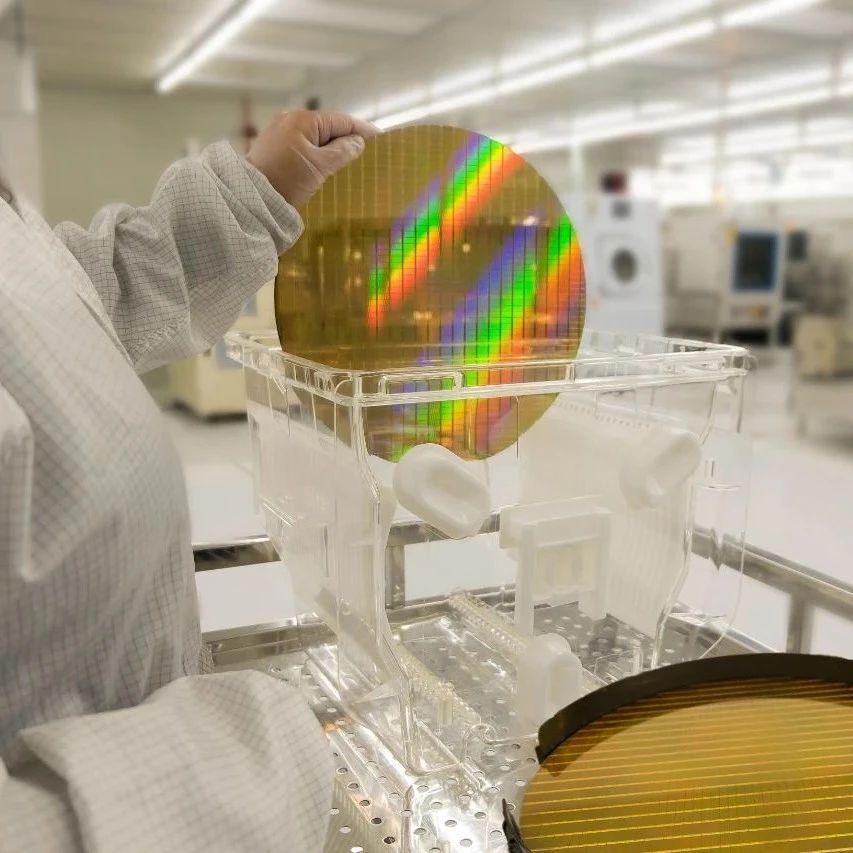
电源管理集成电路 (PMIC)

Search documents
印度芯片,真的崛起吗?
半导体行业观察· 2026-03-20 00:56
Core Viewpoint - The world is entering an era of supply chain anxiety, with geopolitical tensions affecting energy markets and exposing vulnerabilities in concentrated supply routes. The semiconductor supply chain disruptions during the COVID-19 pandemic have highlighted these risks, raising questions about India's potential as an alternative solution [2]. Group 1: India's Semiconductor Ambitions - India's semiconductor market is projected to reach $155 billion by 2031, up from $62 billion in 2026, driven by geopolitical shifts and strong policy support [2]. - The Indian government has committed approximately ₹760 billion in incentives for manufacturing projects and design-related support to alleviate chip design costs [2]. - Over $15 billion has already been invested in the semiconductor value chain, including major projects like the Tata-PSMC wafer fab and Micron's ATMP factory [2]. Group 2: Domestic Demand and Startup Ecosystem - Domestic demand has significantly boosted India's smartphone market, leading to a substantial share in global iPhone assembly [3]. - There are currently over 130 active semiconductor startups in India focusing on areas such as analog circuit design and edge AI chips [3]. - Despite the growth opportunities, structural constraints may hinder India's ability to capitalize on the semiconductor market [3]. Group 3: Funding and Investment Challenges - The semiconductor industry is capital-intensive, requiring billions in upfront investment, yet India's investment ecosystem is not aligned with these needs [3][5]. - The majority of investments are directed towards power management integrated circuits (PMIC) and silicon carbide (SiC) semiconductors, rather than AI-level chips [3]. Group 4: Research and Development Gaps - India's R&D spending is only about 0.6% of GDP, significantly lower than China's 2.4% and the U.S.'s 3.4%, indicating a need for increased investment to reach $100 billion annually by 2030 [5]. - The private sector contributes only 41% of total R&D spending, which is below the level needed for innovation in a mature semiconductor ecosystem [5]. Group 5: Talent and Infrastructure Issues - India produces 2 to 3 million STEM graduates annually, accounting for 20% of global semiconductor design talent, but lacks high-end research professionals [6]. - The semiconductor manufacturing sector in India faces challenges in terms of infrastructure and natural resources, particularly in ultra-pure water, reliable electricity, and specialized chemicals [6]. - Over 90% of materials, chemicals, and equipment required for semiconductor manufacturing are imported, making the ecosystem vulnerable to global supply shocks [6].

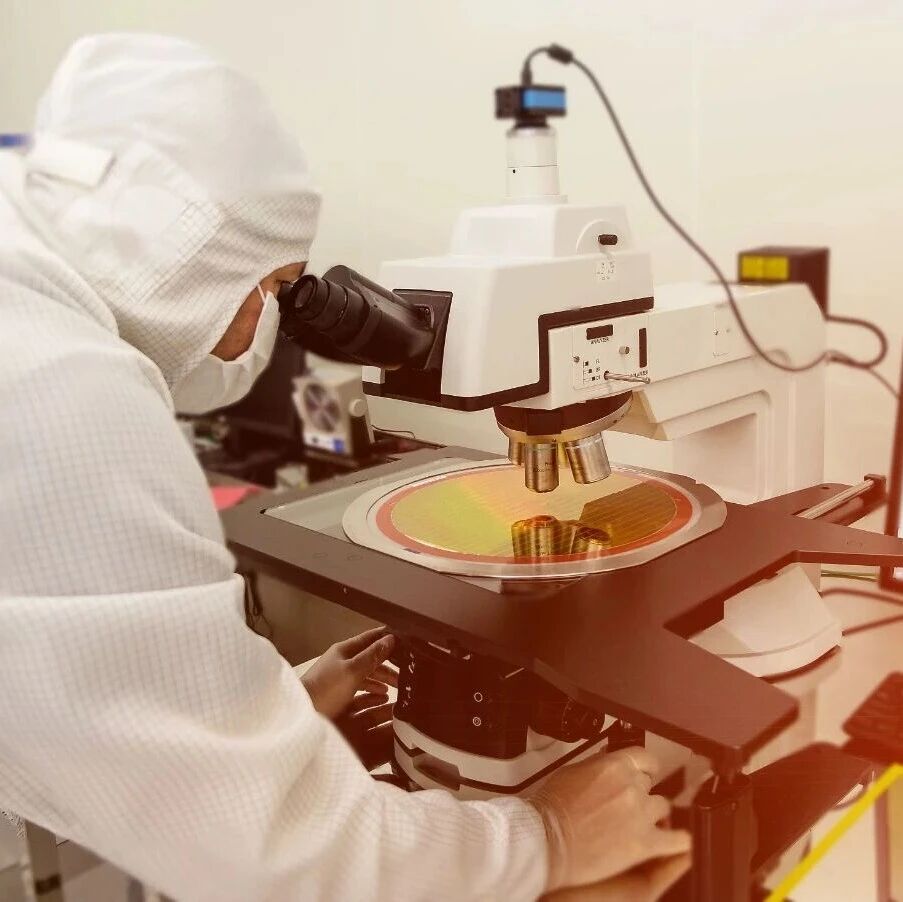
AI又带火了一类芯片
半导体行业观察· 2026-02-10 01:14
Core Insights - The rapid development of artificial intelligence (AI) is driving increased attention towards foundries producing Power Management Integrated Circuits (PMIC) as market demand diversifies into areas like data centers and electric vehicles (EV) [2] - DB HiTek, a South Korean 8-inch wafer foundry, projects revenues and operating profits of 1.4 trillion KRW (approximately 954.85 million USD) and 277.3 billion KRW respectively for 2025, reflecting year-on-year growth of 24% and 45% [2] - Despite a decline in revenue for 2023 and 2024 due to weak IT equipment demand, DB HiTek anticipates a rebound in 2025 driven by a recovery in power semiconductor demand and growth in AI and EV markets [2] - The average utilization rate of DB HiTek's wafer factories is expected to rise significantly from 76% in 2024 to 96% in 2025 [2] Industry Trends - The demand for 8-inch wafers is continuing to grow despite major foundries like Samsung Electronics and TSMC reducing their 8-inch wafer production capacity [3] - The automotive voltage systems are transitioning from traditional 12 volts to 48 volts, while AI data centers are increasing operational voltages from 380 volts to as high as 800 volts, necessitating technologies capable of handling higher voltages [3] - DB HiTek plans to expand its business through high-voltage process technology, while SK Hynix's subsidiary SK Keyfoundry aims to strengthen its position in the PMIC market by introducing new high-voltage processes and collaborating closely with customers on product development [3]
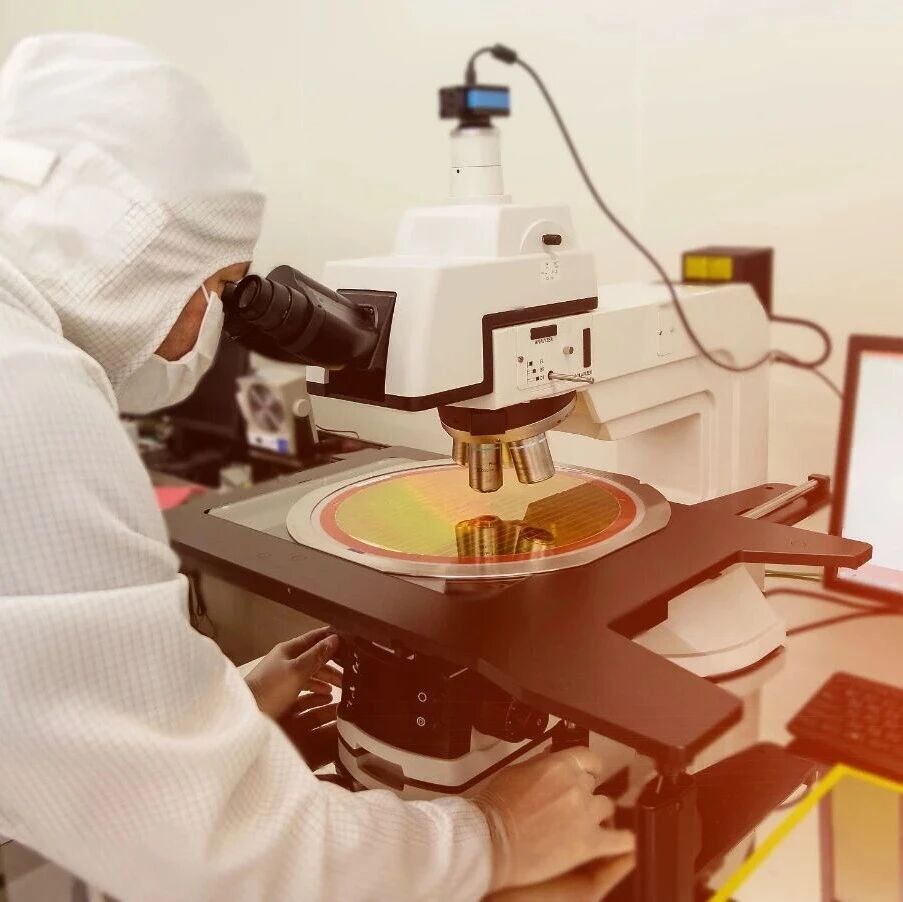
格罗方德与中国晶圆厂合作
半导体芯闻· 2025-08-06 11:22
Group 1 - GlobalFoundries is taking bold steps in the Chinese market despite a bleak outlook for Q3 due to weak consumer demand, focusing on a "Made in China" strategy and launching automotive-grade CMOS and BCD technologies [2] - The company aims to retain full control over intellectual property and quality while leveraging strong customer relationships in China, having secured design orders in battery management, radar, microcontrollers (MCUs), and power management integrated circuits (PMICs) over the past year [2] - CEO Tim Breen noted that this initiative has sparked strong interest from Chinese customers, who are seeking not only domestic supply but also the ability to serve overseas markets through GlobalFoundries' global influence [2] Group 2 - GlobalFoundries is not the only chip manufacturer localizing its operations in China; NXP is also considering partnerships with local foundries to achieve complete chip production in China [3] - The company has a pessimistic outlook for Q3, expecting revenue of $1.68 billion, which is below Wall Street's expectation of $1.79 billion [3] - In June, GlobalFoundries raised its investment plan to $16 billion, including an additional $1 billion in capital expenditures and $3 billion for R&D in next-generation electric vehicle and AI server chips, with Q2 revenue reaching $1.69 billion and earnings per share of $0.42, exceeding expectations [3]