百度卫士

Search documents
网络骂战二十年,从没好好说过理
首席商业评论· 2026-01-19 05:09
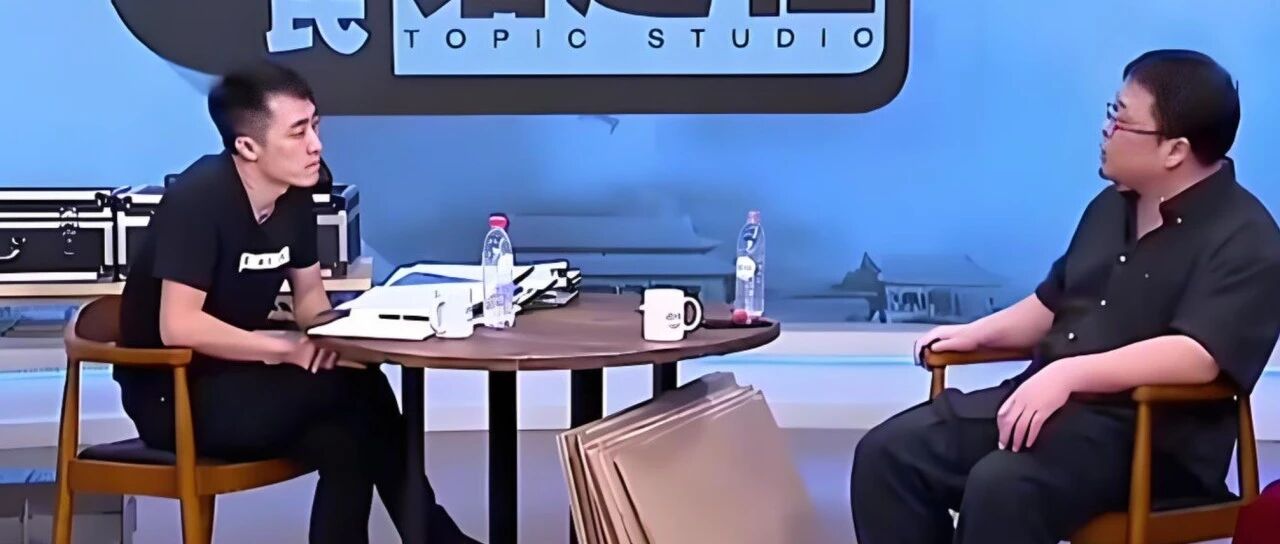
Core Viewpoint - The article discusses the evolution of online disputes in the Chinese internet over the past two decades, highlighting the transition from emotional outbursts to a more rule-based and legal framework for conflict resolution [1][29]. Group 1: Historical Context of Online Disputes - The article traces the development of online arguments from anonymous exchanges on forums to real-name confrontations on social media and live debates, indicating a shift in how disputes are conducted [5][6]. - A notable example is the "Fang-Han War" in 2012, which involved a public dispute over authorship and authenticity, showcasing the intense scrutiny and legal implications of online claims [6][10]. Group 2: Major Online Conflicts - The "3Q War" between Tencent and 360 in 2012 exemplifies corporate rivalry, where both companies used public platforms to accuse each other of unethical practices, leading to legal battles [11][13]. - The confrontation between Wang Ziru and Luo Yonghao in 2014 during a live stream marked a significant moment in tech culture, drawing massive online viewership and highlighting the personal stakes involved in public critiques [17][19]. Group 3: Escalation to Physical Confrontations - The article notes a concerning trend where online disputes have spilled into the physical realm, as seen in the incident between Wu Faitian and journalist Zhou Yan, which escalated from verbal exchanges to a public confrontation involving physical aggression [24][27]. - This shift from online arguments to real-life altercations reflects a growing intensity in how disagreements are handled within the internet community [29]. Group 4: Future of Online Disputes - The article suggests that as the internet industry matures, there will be a move towards more structured and regulated forms of dispute resolution, reducing the prevalence of emotional and chaotic confrontations [29][30]. - The establishment of clearer legal frameworks and platform rules is anticipated to guide future interactions, promoting a healthier online environment [29].

网络骂战二十年,从没好好说过理
凤凰网财经· 2026-01-18 13:15
Core Viewpoint - The article discusses the evolution of online disputes in China, highlighting how they have escalated from anonymous forum arguments to public confrontations and legal battles, reflecting the growing intensity and complexity of internet culture and conflicts in the digital age [1][2][3][4][5]. Group 1: Historical Context of Online Disputes - The evolution of internet argumentation has progressed from early anonymous exchanges to real-name confrontations and live debates, indicating a shift in how disputes are handled online [3][4]. - Legal frameworks are increasingly relied upon to resolve disputes when consensus cannot be reached, marking a transition from informal to formal resolution mechanisms [5]. Group 2: Notable Disputes - The "Fang-Han War" in 2012, sparked by a blog post questioning the authenticity of writer Han Han, became a significant cultural event, showcasing the power of social media in shaping public opinion [6][7][8]. - The conflict escalated with Han Han offering a reward for evidence of ghostwriting, leading to a split in public opinion and further involvement from prominent figures like Fang Zhouzi, who intensified the scrutiny on Han Han's works [10][16][20]. - The "3Q War" between Tencent and Qihoo 360 highlighted the commercial aspects of online disputes, with both companies engaging in public and legal battles over user privacy and market dominance [21][22][31][32]. Group 3: Personal Confrontations in the Tech Industry - The 2014 live debate between Wang Ziru and Luo Yonghao over the evaluation of the Smartisan phone exemplified how personal and professional conflicts can draw massive public attention, with 2.5 million viewers tuning in [40][47]. - The debate showcased contrasting styles, with Luo presenting a prepared defense while Wang focused on clarifying his evaluation, leading to a heated public discourse [51][52][54]. Group 4: Escalation to Physical Confrontations - The incident between Wu Faitian and journalist Zhou Yan illustrates how online disputes can spill over into physical confrontations, culminating in a chaotic public altercation involving eggs and accusations of organized violence [56][68][75]. - This event reflects a concerning trend where online disagreements transition into real-world conflicts, raising questions about the societal implications of such behavior [78][81]. Group 5: Future of Online Disputes - As the internet matures, there is a movement towards more regulated and structured forms of discourse, with calls for disputes to be handled through media channels rather than public confrontations [81]. - The evolution of online conflict resolution indicates a shift towards a healthier internet ecosystem, where emotional outbursts are replaced by institutional frameworks for discussion and debate [81].