数码评测

Search documents
网络骂战二十年,从没好好说过理
首席商业评论· 2026-01-19 05:09
Core Viewpoint - The article discusses the evolution of online disputes in the Chinese internet over the past two decades, highlighting the transition from emotional outbursts to a more rule-based and legal framework for conflict resolution [1][29]. Group 1: Historical Context of Online Disputes - The article traces the development of online arguments from anonymous exchanges on forums to real-name confrontations on social media and live debates, indicating a shift in how disputes are conducted [5][6]. - A notable example is the "Fang-Han War" in 2012, which involved a public dispute over authorship and authenticity, showcasing the intense scrutiny and legal implications of online claims [6][10]. Group 2: Major Online Conflicts - The "3Q War" between Tencent and 360 in 2012 exemplifies corporate rivalry, where both companies used public platforms to accuse each other of unethical practices, leading to legal battles [11][13]. - The confrontation between Wang Ziru and Luo Yonghao in 2014 during a live stream marked a significant moment in tech culture, drawing massive online viewership and highlighting the personal stakes involved in public critiques [17][19]. Group 3: Escalation to Physical Confrontations - The article notes a concerning trend where online disputes have spilled into the physical realm, as seen in the incident between Wu Faitian and journalist Zhou Yan, which escalated from verbal exchanges to a public confrontation involving physical aggression [24][27]. - This shift from online arguments to real-life altercations reflects a growing intensity in how disagreements are handled within the internet community [29]. Group 4: Future of Online Disputes - The article suggests that as the internet industry matures, there will be a move towards more structured and regulated forms of dispute resolution, reducing the prevalence of emotional and chaotic confrontations [29][30]. - The establishment of clearer legal frameworks and platform rules is anticipated to guide future interactions, promoting a healthier online environment [29].


罗永浩拒绝和解!网友:锤子倒闭、老罗负债,都怪王自如的评测
Xin Lang Cai Jing· 2026-01-03 03:12
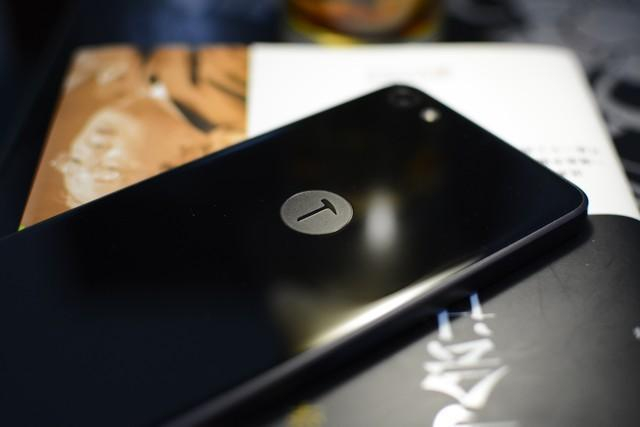
Core Viewpoint - The ongoing feud between Luo Yonghao and Wang Ziru has resurfaced, with Luo's recent comments indicating a firm stance against reconciliation, highlighting the deep-seated nature of their rivalry [1][3]. Group 1: Historical Context - The conflict began in 2014 during a critical review of Luo's Smartisan T1 phone by Wang, which led to a highly publicized debate that escalated tensions between the two [1][3]. - Wang Ziru's critical evaluation is perceived by many as a significant factor contributing to the decline of Smartisan, resulting in Luo accumulating substantial debt [4][6]. Group 2: Public Perception - Many netizens view Wang Ziru as the "culprit" behind the downfall of Smartisan, believing that a reconciliation would be seen as a betrayal of Luo's past and his supporters [4][6]. - The emotional investment from the audience reflects a blend of nostalgia for Smartisan and sympathy for Luo's struggles, projecting these feelings onto the ongoing feud [4][6]. Group 3: Diverging Perspectives - Wang Ziru adopts a more commercial approach, viewing the feud as a means to generate traffic and engagement, while Luo remains committed to his principles and brand reputation [6][7]. - The contrasting motivations—Luo's focus on integrity versus Wang's emphasis on flow and engagement—create a fundamental barrier to any potential reconciliation [7]. Group 4: Outcomes of the Feud - The current situation suggests that while Wang Ziru may have gained traffic, Luo Yonghao has maintained his reputation for authenticity, yet both remain entangled in the narrative of their rivalry [9]. - The ongoing debate raises questions about the nature of discussions in the tech industry, whether they should prioritize product integrity or leverage for traffic [9].
估值1.5亿到负债近亿,王自如坐绿皮火车还债,董明珠也救不了他
Sou Hu Cai Jing· 2025-11-06 09:55
Core Insights - The article discusses the downfall of Wang Ziru, a former entrepreneur in the tech industry, who became a "dishonest executor" due to a debt crisis stemming from a betting agreement made during his startup journey [2][10][20] Group 1: Background and Initial Success - Wang Ziru founded Zealer in 2012, capitalizing on the emerging smartphone market and quickly gained popularity as a digital influencer [3][5] - Initial funding was successful, with investments from Lei Jun's Shunwei Capital and others, leading to a significant increase in company valuation from 8 million to 67 million [3][5] Group 2: The Betting Agreement - In 2016, a critical turning point occurred when Wang Ziru entered into a betting agreement with Shanghai Shuhui Investment Center, which required achieving a 200 million revenue target or facing personal liability for share repurchase [7][9] - This agreement, while common in the startup ecosystem, placed excessive risk on Wang Ziru, highlighting the imbalance in negotiation power between entrepreneurs and investors [7][10] Group 3: Consequences of the Agreement - By the end of 2018, Wang Ziru failed to meet the targets set in the betting agreement, leading to a debt accumulation of nearly 100 million, including a repurchase commitment of 102 million [9][15] - The legal repercussions culminated in a court ruling for forced execution of 33.84 million in January 2024, marking a significant financial crisis for Wang Ziru [9][15] Group 4: Broader Implications in the Startup Ecosystem - Wang Ziru's experience reflects a common narrative in the entrepreneurial landscape, where many founders face similar pitfalls due to aggressive capital strategies and betting agreements [10][12] - The article emphasizes the need for entrepreneurs to maintain a balance between ambition and realistic performance expectations, warning against the dangers of overcommitting to investor demands [14][20] Group 5: Reflections and Future Outlook - Wang Ziru's journey serves as a cautionary tale for aspiring entrepreneurs, stressing the importance of understanding market dynamics and the potential risks associated with capital investments [17][20] - Despite the challenges, there remains a possibility for Wang Ziru to rebuild his career, underscoring the resilience required in the entrepreneurial spirit [19][20]

影视飓风卖衣服,这个富二代赢了所有人
盐财经· 2025-10-30 09:41
Core Viewpoint - The article highlights the unexpected success of a tech company, Yingshi Juhuang, in the e-commerce space during the "Double Eleven" shopping festival, primarily through selling T-shirts and other apparel, which has significantly boosted its revenue [2][4][10]. Group 1: Company Overview - Yingshi Juhuang, founded by Tim (Pan Tianhong), has evolved from a digital content creator to a successful e-commerce player, achieving over 100 million in annual revenue [9][10]. - The company has gained immense popularity, with over 14 million followers on Bilibili, showcasing its strong brand presence [10]. Group 2: E-commerce Success Factors - The surge in sales can be attributed to Tim's engaging video content and his keen market sensitivity, which allowed the company to pivot towards e-commerce effectively [12][13]. - The company has successfully leveraged its video content to drive e-commerce sales, with popular items including base layer long sleeves and lightweight jackets, achieving over 7,000 payment transactions for its best-selling products [4][10]. Group 3: Content Creation Strategy - Yingshi Juhuang focuses on creating "explosive" content, which is essential for audience retention and engagement, leading to higher viewership and sales [22][24]. - The company employs a unique approach of combining short videos into longer formats, ensuring high information density to keep viewers engaged [23][24]. Group 4: Financial Performance - The revenue from e-commerce has surpassed traditional advertising income, with T-shirt sales alone generating approximately 16 million from 200,000 units sold at 80 yuan each [53]. - The company has shifted its revenue model, with e-commerce now constituting a significant portion of its income, moving away from reliance on TVC advertising [49][53]. Group 5: Future Directions - Yingshi Juhuang is exploring diversification in content, including new formats and themes, to maintain audience engagement and drive further growth [62]. - The company aims to replicate successful models from other creators, such as Mr. Beast, to enhance its content strategy and audience appeal [28][31].

罗永浩口中“被包养的男顶流”,与仓井空直播,如今负债1亿
Sou Hu Cai Jing· 2025-10-23 10:07
Core Insights - The article discusses the financial struggles of Wang Ziru, a prominent figure in the digital industry, who is currently in debt of 100 million yuan due to past business ventures and failed investments [2][7]. Group 1: Background and Initial Success - Wang Ziru started his career by posting unboxing videos in 2010, which gained significant traction despite initial financial struggles, including a personal loan of 300,000 yuan [2][4]. - In June 2012, he founded ZEALER and received 2 million yuan in angel investment from Shunwei Capital shortly after, leading to further investments from major companies like Tencent and a valuation increase to over 200 million yuan [4]. Group 2: Challenges and Downfall - The downfall of ZEALER is attributed to a "performance guarantee" clause in investment agreements, which required the company to meet specific revenue or valuation targets, leading to significant financial liabilities when these targets were not met [5][6]. - Wang Ziru faced legal issues, including a court ruling that required him to pay 33.84 million yuan to Shanghai Shuhui Venture Capital, resulting in restrictions on his spending and travel [6]. Group 3: Industry Dynamics and Competition - The competitive landscape was further complicated by public disputes with other industry figures, notably Luo Yonghao, which affected ZEALER's reputation and market position [8][11]. - Despite the challenges, ZEALER managed to leverage the publicity from these disputes to gain more visibility in the market, illustrating the dual nature of public relations in the tech industry [11]. Group 4: Career Transition and Current Status - After leaving ZEALER in 2021, Wang Ziru joined Gree Electric Appliances, where he was involved in channel reform projects and reportedly earned an annual salary between 2 to 4 million yuan [13][15]. - His tenure at Gree was short-lived, as he left amid ongoing debt issues, and he has since attempted a second entrepreneurial venture in AI [15].