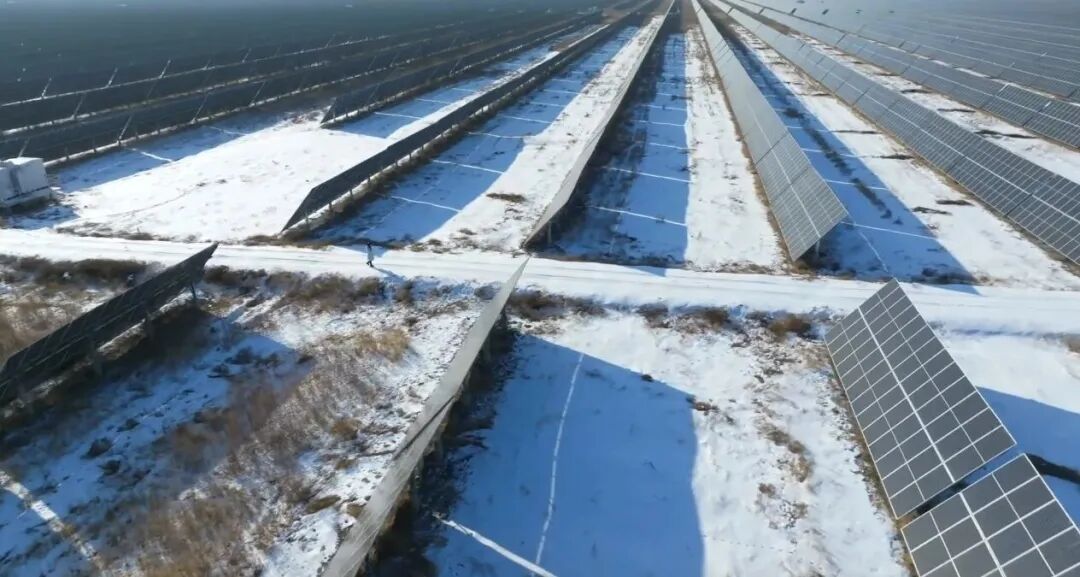
盘古气象大模型

Search documents
AI年鉴:从“概念充血”到“产业造血” 互联网巨头锚定下一个十年
Sou Hu Cai Jing· 2025-12-31 09:42
Core Insights - The article emphasizes that AI is the only technology in China's tech landscape projected to grow exponentially, with significant investments from major players like Tencent, Alibaba, ByteDance, Baidu, and Huawei, marking AI as a critical driver for future growth [2] Investment Trends - By 2025, China's total investment in AI is expected to reach $56.8 billion, accounting for 27.4% of global AI investment, surpassing Europe for the first time [2] - Major internet companies are directing 63% of their capital expenditures towards AI capabilities, models, and applications, reflecting a 28 percentage point increase year-over-year [2] Model Development - The competition in AI models has shifted from catching up to parallel development, with significant advancements in open-source models and performance metrics [3] - Notable achievements include DeepSeek's R1 model aligning with OpenAI's capabilities at a fraction of the cost and Alibaba's Tongyi Qianwen 3.0 surpassing GPT-4 Turbo in code generation accuracy [3] Computing Power - The race for computing power is characterized by innovations such as Huawei's Ascend supernodes and Alibaba's expansion of its cloud computing capabilities [4][5] - By 2025, China's intelligent computing power is projected to reach 725 EFLOPS, a 74% increase year-over-year, with major companies building their own infrastructure [5] Application Integration - AI applications are becoming deeply integrated into various sectors, with Tencent, Alibaba, ByteDance, and Baidu reporting significant improvements in efficiency and cost reductions through AI tools [6] - For instance, Tencent's AI-generated content has increased ad click-through rates by 18%, while Alibaba's tools have significantly reduced product photography costs [6] Financial Impact - AI is reshaping traditional revenue streams in advertising, e-commerce, and gaming, with companies reporting substantial growth in customer numbers and sales due to AI-driven innovations [8] - Tencent anticipates that AI-related revenue will reach 36.2 billion yuan by 2025, constituting 12% of its total revenue [9] Policy Support - The Chinese government is actively promoting AI development through initiatives aimed at building a national integrated computing network and supporting AI applications across various sectors [10] - These policies are expected to generate over 200 billion yuan in market demand by 2026 [10] Challenges Ahead - The industry faces challenges related to energy consumption, talent shortages, and ethical concerns, with projections indicating a significant increase in energy use by AI data centers [11] - The talent gap is projected to reach 5 million by 2025, while ethical issues related to AI are becoming more prevalent [11] Future Outlook - By 2026, the core AI industry in China is expected to exceed 1 trillion yuan, with a shift from a focus on scale to efficiency in AI applications [13] - The article concludes that AI is not just a trend but a foundational element for future growth, with significant transformations anticipated across various industries [13]



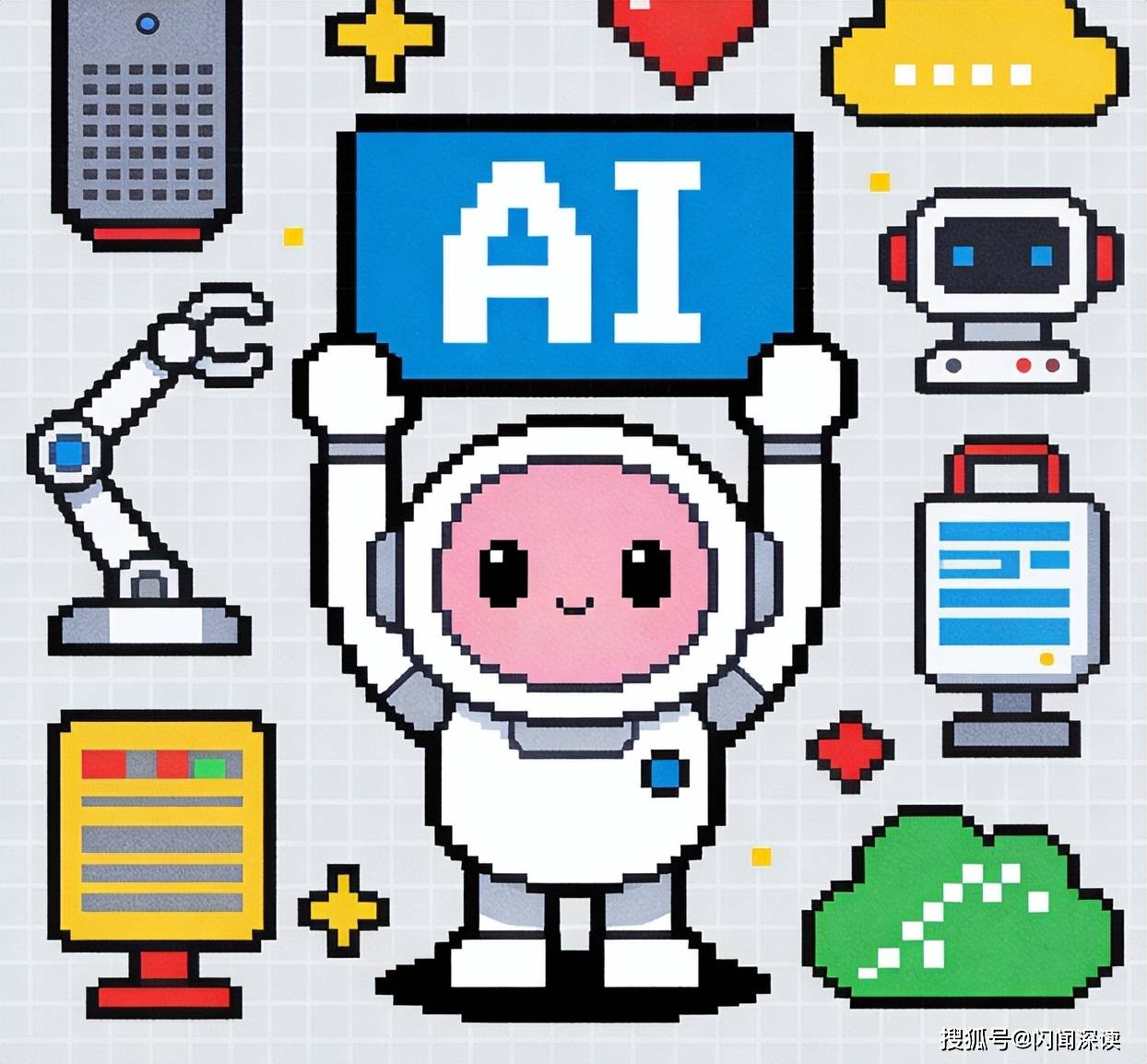
【深圳特区报】深能源:AI“望天”更准,绿电调度更稳
Sou Hu Cai Jing· 2025-12-26 06:09
Core Viewpoint - The integration of AI technology in green energy is transforming the industry, with Shenzhen Energy Group and Huawei Cloud leading the way in developing an AI-based meteorological model for renewable energy power forecasting [1][4]. Group 1: AI and Renewable Energy Transformation - Shenzhen Energy Group has partnered with Huawei Cloud to apply the Pangu meteorological model for predicting power generation from wind, solar, and hydropower, creating the world's first AI-based renewable power forecasting platform [1][4]. - The rapid growth of renewable energy installations in China has surpassed 1.2 billion kilowatts by July 2024, exceeding coal power for the first time [3]. - Traditional weather forecasting methods face challenges in accuracy and timeliness, which are critical for the stability of renewable energy generation [3][4]. Group 2: Technological Advancements - The Pangu meteorological model offers significant improvements, achieving a resolution of up to 1 kilometer and a speed increase of 10,000 times, providing second-level weather forecasts [4]. - The system has been implemented in four pilot sites, showing a 15% overall improvement in weather prediction accuracy, a 10% increase in wind power forecasting precision, and a 2% enhancement in solar power forecasting [4]. Group 3: Future Applications and Industry Impact - The AI system is expected to extend its capabilities to hydropower, enabling precise predictions of rainfall and extreme weather events, thereby enhancing revenue and disaster resilience [5][6]. - The collaboration between Shenzhen Energy and Huawei Cloud exemplifies the implementation of the "Artificial Intelligence +" strategy in state-owned enterprises, paving the way for broader applications in energy and meteorology [6]. - The "Shenzhen model" is moving from pilot projects to large-scale replication, with ongoing efforts to explore the application of meteorological models in power forecasting, electricity trading, and other areas [6].

华为的“电力哲学”——做“最懂行的赋能者”
3 6 Ke· 2025-10-13 03:18
Core Insights - The article emphasizes the necessity of intelligence in the energy transition, highlighting that smart technology has become essential for survival in the power industry as it faces challenges from the dual carbon goals [2] - Huawei positions itself as an "enabler" rather than a disruptor in the power sector, focusing on collaboration and long-term growth through a philosophy of "technology foundation + ecological collaboration + long-termism" [2][3] Huawei's Power Philosophy - Huawei aims to be the best partner in the power industry, recognizing the high professional barriers and safety requirements, and seeks to complement existing industry experts rather than replace them [3] - The company emphasizes that technology must be rooted in real-world scenarios and provide measurable value, focusing on specific pain points in the industry [3][4] - Huawei adopts a long-term approach, fostering industry capabilities through platforms and ecosystems, helping companies evolve from merely using AI to understanding and implementing it [4] Pain Points Driving the Need for Huawei's Solutions - The transition to a new power system faces challenges due to the conflict between traditional models and intelligent demands, with significant issues in power generation predictability leading to substantial energy waste [5] - Huawei addresses the issue of inaccurate forecasting in renewable energy, improving prediction accuracy from 85% to 93% and reducing daily energy wastage by 40% [5][6] - The company tackles the problem of outdated maintenance practices by implementing digital twin technology, which enhances predictive maintenance and reduces unplanned outages significantly [6] - Huawei also addresses data silos in the industry by providing a platform for data sharing and collaboration, ensuring data security while enhancing operational efficiency [7] Comprehensive Solutions Across the Power Value Chain - Huawei's solutions aim to enhance predictability and control in renewable energy generation, targeting a 30% reduction in energy wastage and a significant increase in operational efficiency [8] - The company has developed an intelligent scheduling system that improves fault location time and enhances supply reliability, benefiting millions of households [9] - On the consumer side, Huawei's demand response models help users save on electricity costs while increasing their participation in energy management [10] - The introduction of smart energy management systems optimizes energy storage operations, significantly improving financial returns and attracting investment [11] Conclusion - Huawei's approach to the power industry is characterized by a commitment to collaboration and capability building, aiming to transform the sector from reactive to proactive management [12] - The company's philosophy is centered on enabling the industry to become stronger, more efficient, and more responsive to the evolving energy landscape [12]