
眼控仪

Search documents
“感觉最对不起的就是妻子”,蔡磊透露最新病情
新浪财经· 2026-03-30 10:15
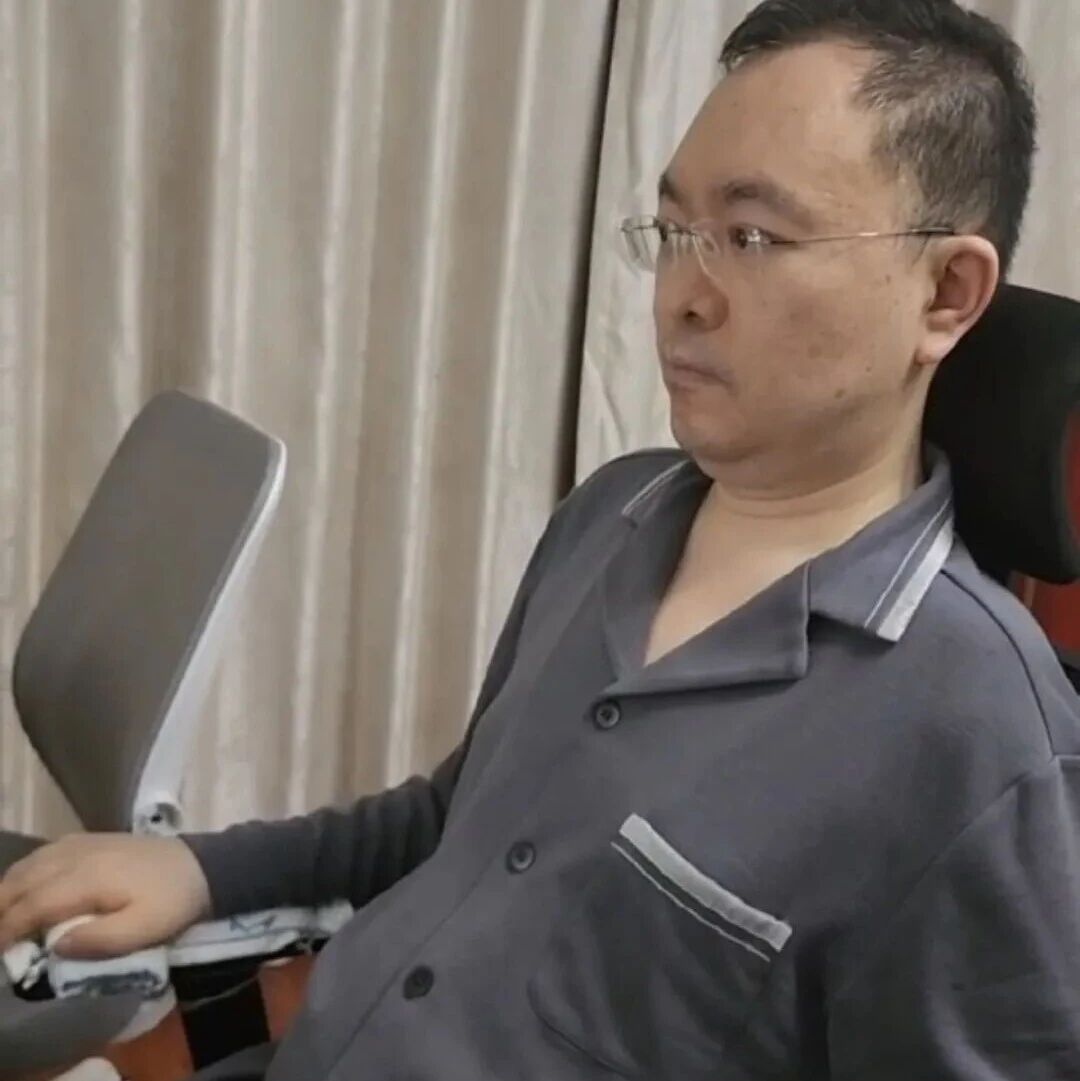
Core Viewpoint - The article highlights the struggles and determination of Cai Lei, a 47-year-old ALS (Amyotrophic Lateral Sclerosis) patient, who is focused on fighting the disease and contributing to medical research despite his deteriorating health condition [8][12]. Personal Background - Cai Lei left home at 17 to attend university and remained single until he met his wife, Duan Rui, a talented pharmaceutical graduate from Peking University, through a matchmaking event in 2018 [7]. - The couple quickly decided to marry after two weeks of knowing each other, unaware of the challenges that lay ahead [7]. Health Condition - As of January 2026, Cai Lei's physical function score had dropped from 48 to a single-digit number, indicating severe deterioration [8]. - He experiences significant physical limitations, requiring assistance for basic movements and suffering from pain and discomfort, particularly at night [12]. - Cai Lei relies on an eye-control device for communication and work, which allows him to perform basic tasks like typing and browsing the internet [12]. Commitment to Research - Despite his condition, Cai Lei is dedicated to combating ALS and believes that his situation allows him to contribute meaningfully to scientific progress and human health [8]. - He expressed that his fight against the disease is not just for himself but also for the hope of others suffering from similar conditions [12]. Inspirational Message - Cai Lei encourages young people to seize opportunities and strive for meaningful lives, emphasizing that life is precious and should not be wasted [12].

落地同情用药、增加长护险覆盖:代表委员为“渐冻人”建言
第一财经· 2026-03-11 00:59
Core Viewpoint - The article discusses the challenges faced by patients with Amyotrophic Lateral Sclerosis (ALS), also known as Lou Gehrig's disease, highlighting the lack of effective treatments and the need for improved healthcare support systems for these patients [2][3]. Group 1: Disease Overview and Patient Statistics - ALS is a progressive neurodegenerative disease that typically affects individuals aged 40-50, leading to muscle atrophy and eventual loss of speech, swallowing, and breathing functions, with an average survival period of three to five years [2]. - The incidence rate of ALS in China is approximately 1.6 per 100,000 people, with an estimated total of 100,000 patients nationwide [5]. - There are significant issues with misdiagnosis and delayed diagnosis, with an average delay of over 10 months, which can prevent timely treatment and care [6][7]. Group 2: Healthcare System Challenges - The current healthcare system has notable shortcomings in providing long-term care and specialized medical services for ALS patients, particularly in ICU settings where patients may be unable to communicate their needs [3][8]. - Recommendations include establishing special care standards in ICUs to accommodate the unique needs of ALS patients, such as allowing limited family presence and providing communication aids [9]. Group 3: Long-term Care Insurance and Financial Support - ALS patients often face severe financial burdens due to the high costs of care and the loss of income when the primary breadwinner is affected by the disease [11]. - There is a call to include ALS patients in long-term care insurance (LTCI) coverage, providing necessary support for those with severe disabilities caused by the disease [10][12]. Group 4: Drug Development and Regulatory Recommendations - Despite advancements in drug development for ALS, the pathway for clinical research and drug approval remains slow, with many patients unable to access new treatments in time [14][15]. - Suggestions include leveraging high-quality clinical trial data to expedite the approval process for ALS drugs and improving the infrastructure for real-world evidence collection to support drug efficacy [16][17]. Group 5: Compassionate Use and Expanded Access - There is a need for expanded compassionate use programs to allow ALS patients access to investigational drugs that may not yet be approved, particularly for those in critical condition [16]. - The article emphasizes the importance of establishing a framework for compassionate use that includes ethical considerations and patient consent [17].

蔡磊证实:病情近终末期
第一财经· 2026-01-01 13:34
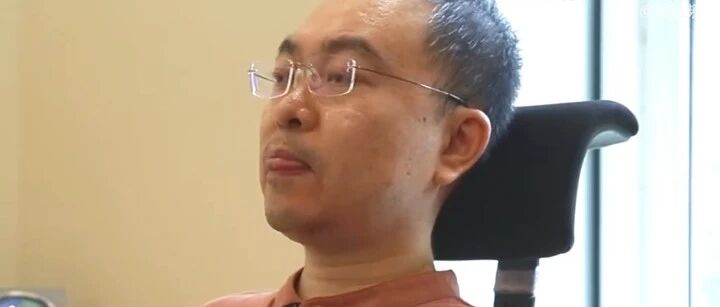
Core Viewpoint - The article highlights the struggles and resilience of Cai Lei, a former vice president of JD.com, who has been diagnosed with ALS (Amyotrophic Lateral Sclerosis) for over six years. Despite his deteriorating condition, he continues to advocate for research and collaboration in the fight against the disease, emphasizing the hope for breakthroughs in treatment [3][10]. Summary by Sections - Cai Lei's condition has progressed to the late stage of ALS, severely affecting his mobility and speech. He now relies on an eye-tracking device for communication and work, which allows him to perform basic office tasks [10][14]. - In a video released on December 31, 2025, Cai expressed his desire for the footage to remain unseen, as it signifies his inability to speak. The video serves as a motivational message for fellow patients, urging them to focus on research and collaboration as a source of hope [4][6][13]. - Despite enduring significant physical pain and limitations, Cai remains committed to his work and the fight against ALS, stating that success in this battle is the only hope for his family [10][14].
渐冻人蔡磊回应身体近况,已准备好尝试脑机接口
Xin Lang Cai Jing· 2025-12-03 15:27
Core Insights - The article highlights the advancements in assistive technology for individuals with disabilities, particularly focusing on eye-tracking technology and the potential future of brain-computer interfaces [1][4]. Group 1: Current Technology and Usage - The eye-tracking system is currently utilized by individuals with severe disabilities, allowing them to perform basic office functions such as typing, browsing the web, and document processing [1]. - The system's parameters, including cursor speed and click sensitivity, can be adjusted to enhance user experience, leading to improved accuracy in communication and work tasks [1]. Group 2: Personal Experience and Challenges - The individual featured in the article, a former executive at JD.com, describes severe physical limitations due to ALS, including muscle atrophy and respiratory difficulties, which necessitate the use of a breathing machine at night [1]. - Despite these challenges, the individual has adapted to using the eye-tracking technology effectively for communication and work, although the physical strain remains significant [1]. Group 3: Advocacy and Research Initiatives - Since his diagnosis in 2019, the individual has led efforts to establish a large data platform connecting over 10,000 patients and has initiated the first pathological and genetic sample bank for ALS in China [4]. - Significant financial contributions have been made towards establishing a public welfare fund, charitable trust, and the "Life Science Icebreaker Award," amounting to several tens of millions of yuan [4].
蔡磊称已准备好尝试脑机接口 已在华山医院等多家机构推动相关研究
Feng Huang Wang· 2025-12-03 12:00
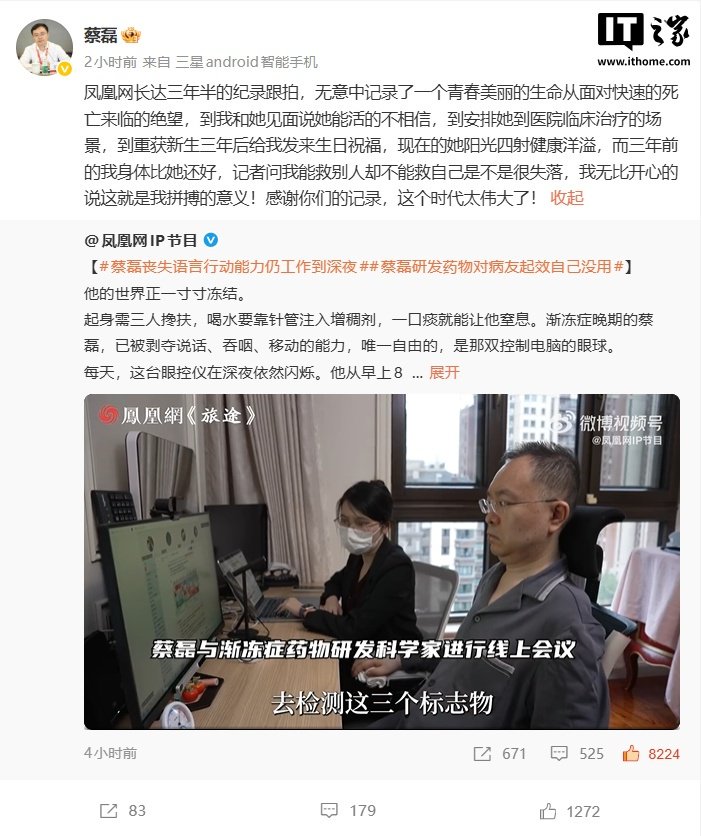
Core Viewpoint - The article discusses the advancements in technology, particularly eye control and brain-machine interfaces, as a means for patients with ALS (Amyotrophic Lateral Sclerosis) to communicate and continue their research efforts despite the challenges posed by the disease [1] Group 1: Patient Experience and Technology - ALS patient and former JD Vice President Cai Lei is exploring brain-machine interfaces as a potential solution if eye control technology becomes insufficient for work needs [1] - Cai Lei is actively involved in promoting clinical research related to brain-machine interfaces at various hospitals, including Huashan Hospital and Tangdu Hospital, with many fellow patients participating [1] Group 2: Misinterpretation of Health Status - Cai Lei clarified that statements regarding his life expectancy of 3 to 5 years refer to the average survival rate for ALS patients, not a personal prognosis [1] - There has been misinformation circulated by some media outlets regarding his health status, oscillating between claims of improvement and deterioration, which he states is misleading [1] Group 3: Hope and Future Research - Despite the challenges of ALS, Cai Lei emphasizes the importance of continuing research and the potential of technology to change lives and improve health outcomes [1] - He encourages societal support for research on difficult diseases, highlighting that every effort could lead to significant health benefits for all [1]