罕见病多层次保障体系

Search documents
落地同情用药、增加长护险覆盖:代表委员为“渐冻人”建言
第一财经· 2026-03-11 00:59
Core Viewpoint - The article discusses the challenges faced by patients with Amyotrophic Lateral Sclerosis (ALS), also known as Lou Gehrig's disease, highlighting the lack of effective treatments and the need for improved healthcare support systems for these patients [2][3]. Group 1: Disease Overview and Patient Statistics - ALS is a progressive neurodegenerative disease that typically affects individuals aged 40-50, leading to muscle atrophy and eventual loss of speech, swallowing, and breathing functions, with an average survival period of three to five years [2]. - The incidence rate of ALS in China is approximately 1.6 per 100,000 people, with an estimated total of 100,000 patients nationwide [5]. - There are significant issues with misdiagnosis and delayed diagnosis, with an average delay of over 10 months, which can prevent timely treatment and care [6][7]. Group 2: Healthcare System Challenges - The current healthcare system has notable shortcomings in providing long-term care and specialized medical services for ALS patients, particularly in ICU settings where patients may be unable to communicate their needs [3][8]. - Recommendations include establishing special care standards in ICUs to accommodate the unique needs of ALS patients, such as allowing limited family presence and providing communication aids [9]. Group 3: Long-term Care Insurance and Financial Support - ALS patients often face severe financial burdens due to the high costs of care and the loss of income when the primary breadwinner is affected by the disease [11]. - There is a call to include ALS patients in long-term care insurance (LTCI) coverage, providing necessary support for those with severe disabilities caused by the disease [10][12]. Group 4: Drug Development and Regulatory Recommendations - Despite advancements in drug development for ALS, the pathway for clinical research and drug approval remains slow, with many patients unable to access new treatments in time [14][15]. - Suggestions include leveraging high-quality clinical trial data to expedite the approval process for ALS drugs and improving the infrastructure for real-world evidence collection to support drug efficacy [16][17]. Group 5: Compassionate Use and Expanded Access - There is a need for expanded compassionate use programs to allow ALS patients access to investigational drugs that may not yet be approved, particularly for those in critical condition [16]. - The article emphasizes the importance of establishing a framework for compassionate use that includes ethical considerations and patient consent [17].


全国首份新生儿罕见病专项公益医疗保险发布
Xin Jing Bao· 2025-09-25 06:06
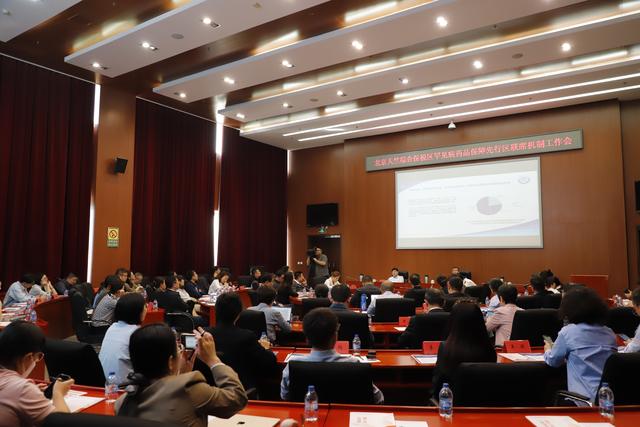
Group 1 - The core viewpoint of the news is the launch of two rare disease insurance products in Beijing, marking a significant step in establishing a multi-tiered保障体系 for rare diseases in the region [1][2] - The two insurance products, "Hanbao Guardian" and "Good Pregnancy Heart Link," are designed to provide the first health保障 for newborns, with a focus on rare diseases [1] - The initial list of covered medications includes 14 overseas specialty drugs and 8 domestic specialty drugs, allowing eligible pregnant women to receive both insurance products for free, thus enhancing the保障体系's inclusivity [1] Group 2 - The innovative model of "government guidance, enterprise underwriting, and social participation" aims to combine commercial insurance with social公益, thereby increasing the effectiveness of保障 for rare diseases [2] - This initiative is expected to provide replicable and promotable experiences for the construction of a multi-tiered保障体系 for rare diseases across the country [2]
全国首份新生儿罕见病公益医疗保险落地天竺综保区
Bei Jing Ri Bao Ke Hu Duan· 2025-09-24 07:19
Core Insights - Beijing has made a significant breakthrough in establishing a multi-tiered保障体系 for rare diseases by introducing two public insurance products for newborns, marking the first initiative of its kind in the country [1][3]. Group 1: Insurance Products - The two newly developed insurance products, "Hanbao Guardian" and "Good Pregnancy Heart Link," are designed to provide health coverage for newborns, allowing eligible pregnant women to receive these products for free [3]. - The initial list of covered medications includes 14 overseas specialty drugs and 8 domestic specialty drugs, offering "one list, double protection" for each eligible pregnant woman [3]. Group 2: Healthcare System Integration - The introduction of these insurance products expands the coverage range and enhances the connectivity and inclusiveness of the保障体系, following the inclusion of five overseas specialty drugs into Beijing's普惠健康保 in June [3]. - The innovative model of "government guidance, enterprise underwriting, and social participation" aims to combine commercial insurance with social welfare, enhancing the effectiveness of保障 and promoting a comprehensive system for rare diseases [3]. Group 3: Drug Accessibility - Since the approval of the rare disease drug保障先行区 in November 2023, a closed-loop management system has been established, facilitating the import and availability of urgently needed drugs [5]. - As of now, 26 clinical urgently needed imported drugs have been approved, benefiting over 4,900 patients and transforming the situation from "people waiting for drugs" to "drugs waiting for people" [5]. - The import value of rare disease drugs reached over 15.523 billion yuan from January to August 2025, accounting for 24.22% of the total import value, indicating that rare disease drug imports have become a new growth point in Beijing's pharmaceutical trade [5].