研磨冲泡一体咖啡杯

Search documents
新形势下“出口转内销”怎么转?
Jing Ji Wang· 2025-04-28 02:25
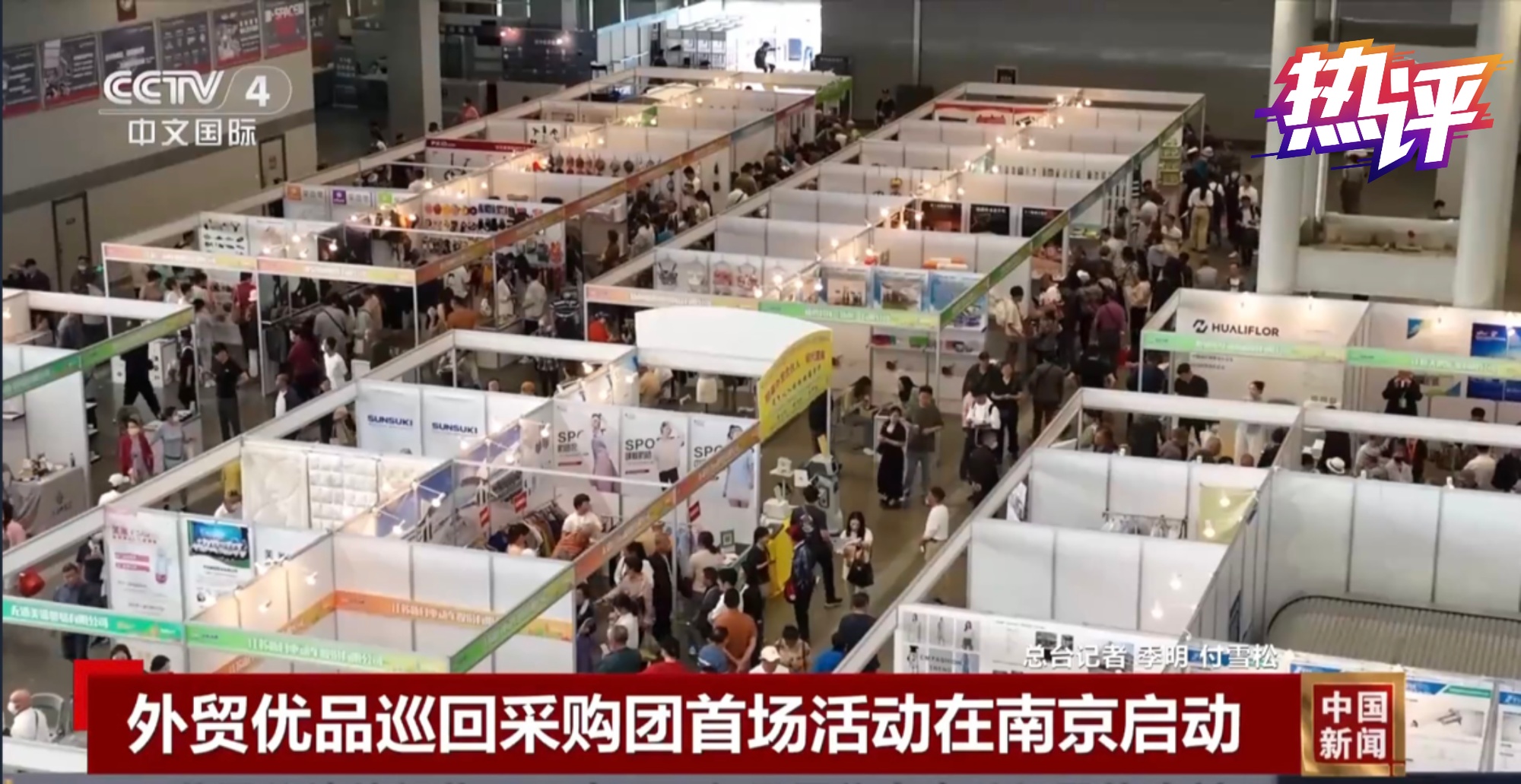
Core Viewpoint - The article highlights the challenges faced by export-oriented companies in China due to U.S. tariffs and emphasizes the importance of transitioning from export to domestic sales as a long-term strategy for growth and resilience in the market [1][4][6]. Group 1: Challenges Faced by Export Companies - Export companies are experiencing significant financial strain, with 200 million pieces of clothing stuck in inventory and $6-7 million in receivables uncollectible due to halted orders [1]. - The transition to domestic sales requires companies to adapt their business models from bulk orders to direct consumer retail, addressing differences in market positioning, quality standards, and consumer preferences [1]. Group 2: Government Support and Initiatives - Various policies have been introduced to support domestic sales, including the "Foreign Trade Quality Products China Tour" event, which connects foreign trade companies with domestic buyers [3]. - Over 80 large supermarkets, e-commerce platforms, and retail enterprises participated in the procurement event, with intentions to stock foreign trade products [3]. - Six e-commerce platforms have established domestic sales zones, connecting over 6,000 foreign trade companies and facilitating more than 600 entries into the market [3]. Group 3: Market Potential and Future Outlook - The retail sales of consumer goods in China are projected to reach 48.8 trillion RMB in 2024, significantly surpassing exports to the U.S., indicating a vast domestic market opportunity [4]. - Approximately 85% of export-oriented companies are also engaging in domestic sales, with domestic sales accounting for nearly 75% of total sales [4]. - The domestic market, with over 1.4 billion people and a GDP per capita exceeding $13,000, is in a critical phase of consumption upgrade, presenting opportunities for product innovation and market adaptation [4]. Group 4: Resilience and Innovation - The transition to domestic sales is viewed as a crucial breakthrough for export companies to cope with external challenges, fostering innovation and resilience [6]. - Companies are encouraged to focus on product quality and consumer needs, with examples of successful adaptations such as coffee brewing cups and textile products tailored for domestic consumers [4][6].

政企拓内销 让外贸订单继续“滚”起来
Yang Shi Xin Wen Ke Hu Duan· 2025-04-21 11:54
Core Insights - The recent Jiangsu Station event of the Ministry of Commerce's "Foreign Trade Quality Products" initiative aimed to address the challenges faced by foreign trade enterprises in exporting products and to explore domestic sales opportunities [2][8]. Group 1: Market Challenges - A significant foreign trade company showcased a new all-in-one coffee cup that became a hot seller at the event, indicating a shift towards products that cater to domestic consumer needs [2][4]. - Salt Lake City Airi Clothing Co., Ltd. reported a dramatic increase in orders from 2,000 pieces to 170,000 pieces for a U.S. client, but faced delays and price reduction demands, highlighting the operational difficulties in the current market [6][8]. - The company has 90% of its products exported, with 4 million pieces in hand orders, half of which are backlogged, reflecting the pressure on foreign trade businesses [6][8]. Group 2: Government and Corporate Support - The government is actively supporting foreign trade enterprises by organizing procurement events, with over 80 large supermarkets and e-commerce platforms participating to help expand domestic market access [8][10]. - Major e-commerce platforms are creating dedicated sections for Jiangsu foreign trade products, aiming to achieve sales exceeding 20 billion yuan in the next year through various support measures [10][12]. - JD Group's vice president mentioned a comprehensive approach to assist foreign trade companies in transitioning to domestic sales, including product selection, advertising, and customer service [12]. Group 3: Future Prospects - Salt Lake City Airi Clothing Co., Ltd. has made connections with professional buyers during the event, indicating potential for entering large supermarkets and expanding their market presence [12][14]. - Jiangsu has established a coordinated mechanism involving 20 departments to promote integrated domestic and foreign trade, with initiatives to cultivate leading enterprises and pilot projects [16]. - The company expressed optimism about leveraging this opportunity to connect with domestic buyers and gradually reduce inventory, signaling a positive outlook for future orders [18].